MC
MandarinClips Cinema Corpus
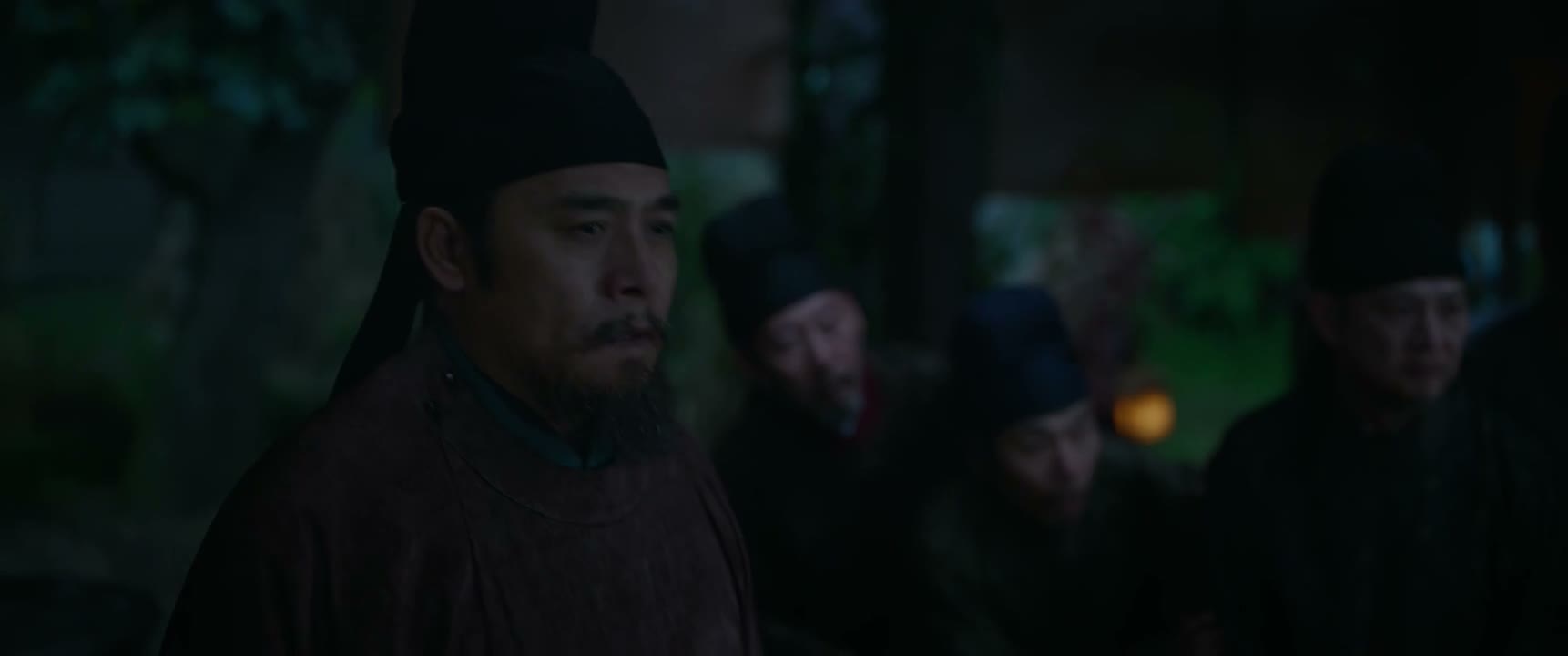
《My Destiny》 S1·E11 (33:41) HSK 4
bú shì nǐ nǐ qǐng tā gàn shén me tā què shí bāng guò zán

不是 你 你请他干什么 他确实帮过咱

“What? You... Why do you want to treat him? He did help us.”

《My Destiny》 S1·E11
TIMECODE: 33:41 · 1080P MASTER AUDIO

THE DIALOGUE REEL

1+1+1 SPOKEN CONTINUITY
[-1] PREVIOUS TURN wǒ xiǎng qǐng bāng zhù guò zán de rén nǐ bǐ rú shuō gāo xiáng a hái yǒu

“I want to treat people who have helped us. Like Gao Xiang. And...”

bú shì nǐ nǐ qǐng tā gàn shén me tā què shí bāng guò zán CURRENT FOCUS

不是 你 你请 他 干什么 他 确实 帮过咱

“What? You... Why do you want to treat him? He did help us.”

[+1] FOLLOW-UP TURN ér qiě hái bù zhǐ yī cì ne

而且还不止一次呢

“And more than once.”

Subtitles synced to millisecond timecode Browse Show Clips →
Scene: Daily Life
Function: QUESTIONING AND COUNTERARGUING
Tone: CONFLICTED
Emotion: SKEPTICISM
WHAT THEY REALLY MEAN (PRAGMATIC SUBTEXT)
“I really don't want to invite him, but I suppose we can't ignore the debt we owe him.”
💡 Cultural Insight: Renqing and Reciprocity

Inviting someone for a meal is the quintessential Chinese method of repaying 'renqing' (interpersonal favors), making it difficult to exclude even undesirable guests if they have helped you.

INTENT TAGS: #challenging #conceding #reciprocity #questioning
🧩

LEARNING CHUNKS & PARTICLES

2 CHUNKS · 0 PARTICLES
请他干什么 SPOKEN CHUNK

why invite him?; what's the point of inviting him?

A rhetorical question pattern ('干什么') expressing skepticism or disapproval of an action.

帮过咱 SPOKEN CHUNK

has helped us out

'咱' is a colloquial, inclusive pronoun for 'us', often used in Northern Chinese to emphasize shared bonds.
🏮

VOCABULARY & EXPRESSIONS

4 EXPR · 0 GRAMMAR
CROSS-CINEMA CORPUS BOARD · PARALLEL SCENES

Parallel Spoken Cinema Scenes (语义近邻切片)

EXPLORE BY SEMANTIC SIMILARITY
《My Destiny》 S1·E11 (33:41) · Authentic Cinema Dialogue Corpus