弄脏了可不好修啊
“Once it's dirty, it's hard to fix!”
THE DIALOGUE REEL
上
“Get them!”
弄脏 了 可不好修 啊
“Once it's dirty, it's hard to fix!”
书记
“Mr. Zheng, where are you rushing off to?”
“Be careful and don't make a mess that we'll regret later.”
In volatile situations, speakers often cite objective or technical difficulties (such as maintenance costs or property damage) to divert tension without directly challenging orders.
LEARNING CHUNKS & PARTICLES
to soil / to make dirty
A standard resultative verb compound combining '弄' (to do/make) with '脏' (dirty).
will really be difficult to repair
The emphatic adverb '可' stresses the severity or likelihood of adverse consequences.
Marks the conditional emergence of an undesirable change in state.
Softens the admonishment and urges the listener to heed the reminder.
VOCABULARY & EXPRESSIONS
Parallel Spoken Cinema Scenes (语义近邻切片)

“They'll just get dirty again anyway.”
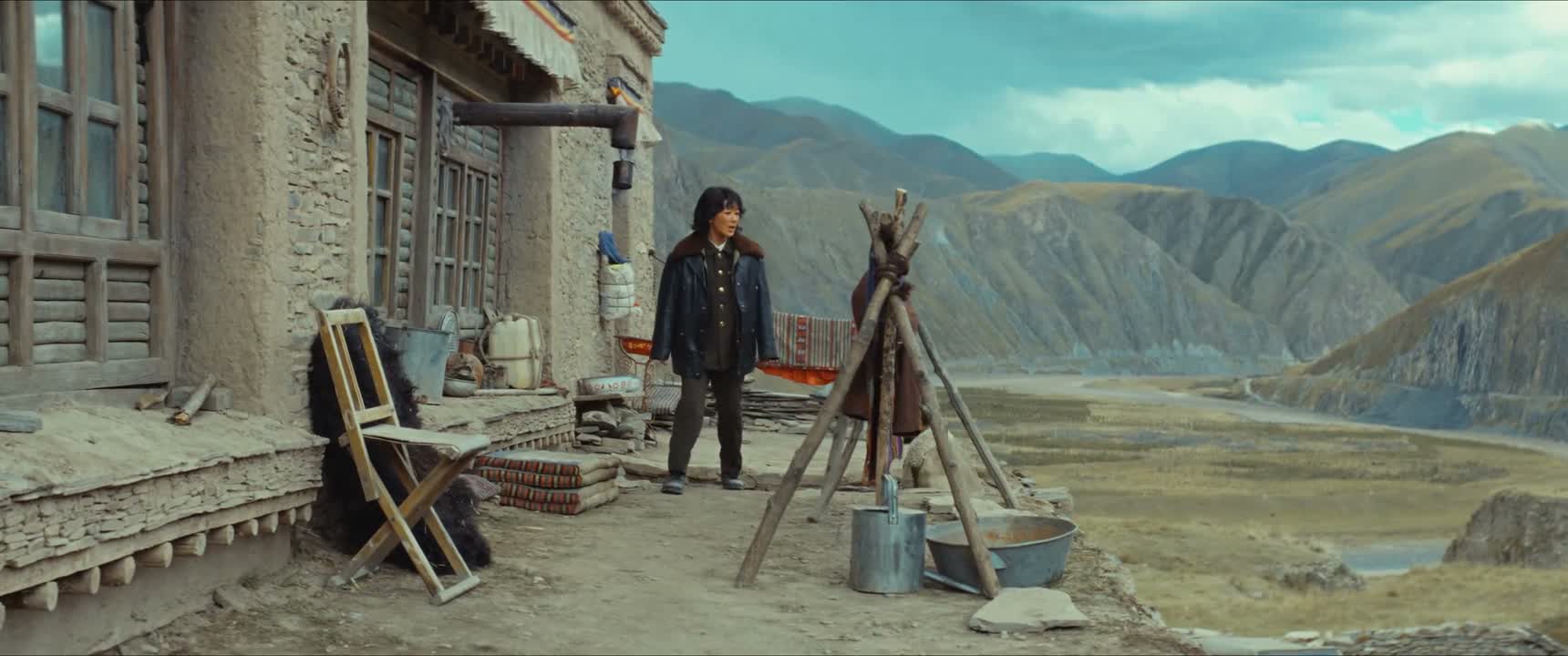
“It was filthy. Of course it needed washing.”

“making even the cleanest place dirty.”

“Why didn't you wash it? It's so dirty.”

“Every time you come, you make a mess.”

“But the food outside is not clean.”