MC
MandarinClips Cinema Corpus
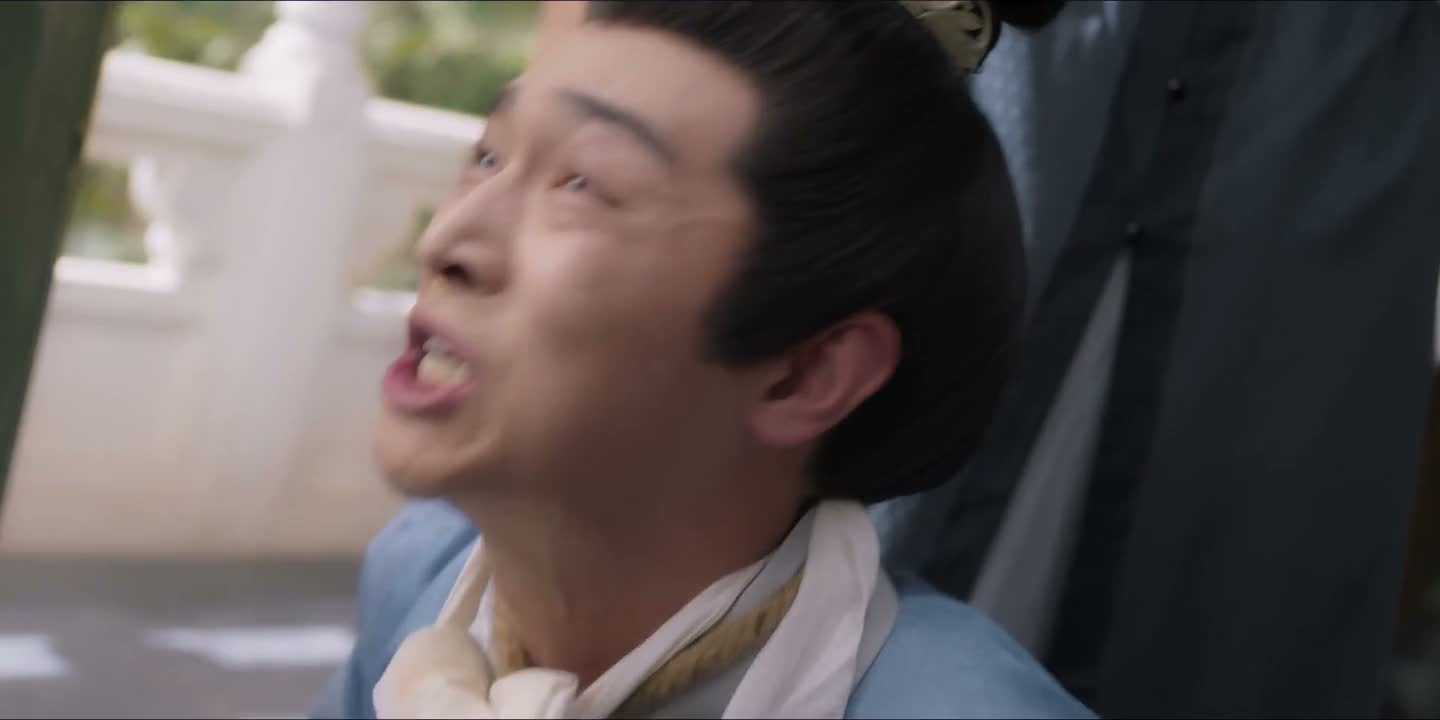
《Ashes to Crown》 S1·E19 (08:42) HSK 1
nà tā yě bù guò shì yí gè sī shēng zi

那他也不过是一个私生子

“but after all, he's an illegitimate child.”

《Ashes to Crown》 S1·E19
TIMECODE: 08:42 · 1080P MASTER AUDIO

THE DIALOGUE REEL

1+1+1 SPOKEN CONTINUITY
[-1] PREVIOUS TURN nǐ shuō nà hái zi jiù suàn zài shì xiè jiā de zhǒng

“That boy is the Xie's bloodline,”

nà tā yě bù guò shì yí gè sī shēng zi CURRENT FOCUS

那他 也不过 是一个 私生子

“but after all, he's an illegitimate child.”

[+1] FOLLOW-UP TURN nǐ dāng a shì yǎng zhuàng yuán láng shào yé ne ?

你当啊 是养状元郎少爷呢?

“Don't think he's very valuable.”

Subtitles synced to millisecond timecode Browse Show Clips →
Scene: Family & Home
Function: BELITTLING
Tone: DISMISSIVE
Emotion: CONTEMPT
WHAT THEY REALLY MEAN (PRAGMATIC SUBTEXT)
“He doesn't deserve special treatment or respect because of his birth status.”
💡 Cultural Insight: Legitimacy and Status in Traditional Lineage

In traditional Chinese patriarchal culture, legitimate sons (di zi) held primary inheritance rights, while illegitimate or concubine-born sons (shu zi/sishengzi) occupied a much lower, often stigmatized social position.

INTENT TAGS: #belittling #dismissal #downplaying #status_denial
🧩

LEARNING CHUNKS & PARTICLES

2 CHUNKS · 0 PARTICLES
也不过是 SPOKEN CHUNK

is merely; is nothing more than

Use this structure to minimize or downplay the importance or scale of someone or something.

私生子 SPOKEN CHUNK

child born out of wedlock; illegitimate child

A sensitive noun referring to an illegitimate son, often carrying pejorative weight in traditional contexts.
🏮

VOCABULARY & EXPRESSIONS

2 EXPR · 0 GRAMMAR
CROSS-CINEMA CORPUS BOARD · PARALLEL SCENES

Parallel Spoken Cinema Scenes (语义近邻切片)

EXPLORE BY SEMANTIC SIMILARITY
《Ashes to Crown》 S1·E19 (08:42) · Authentic Cinema Dialogue Corpus