MC
MandarinClips Cinema Corpus
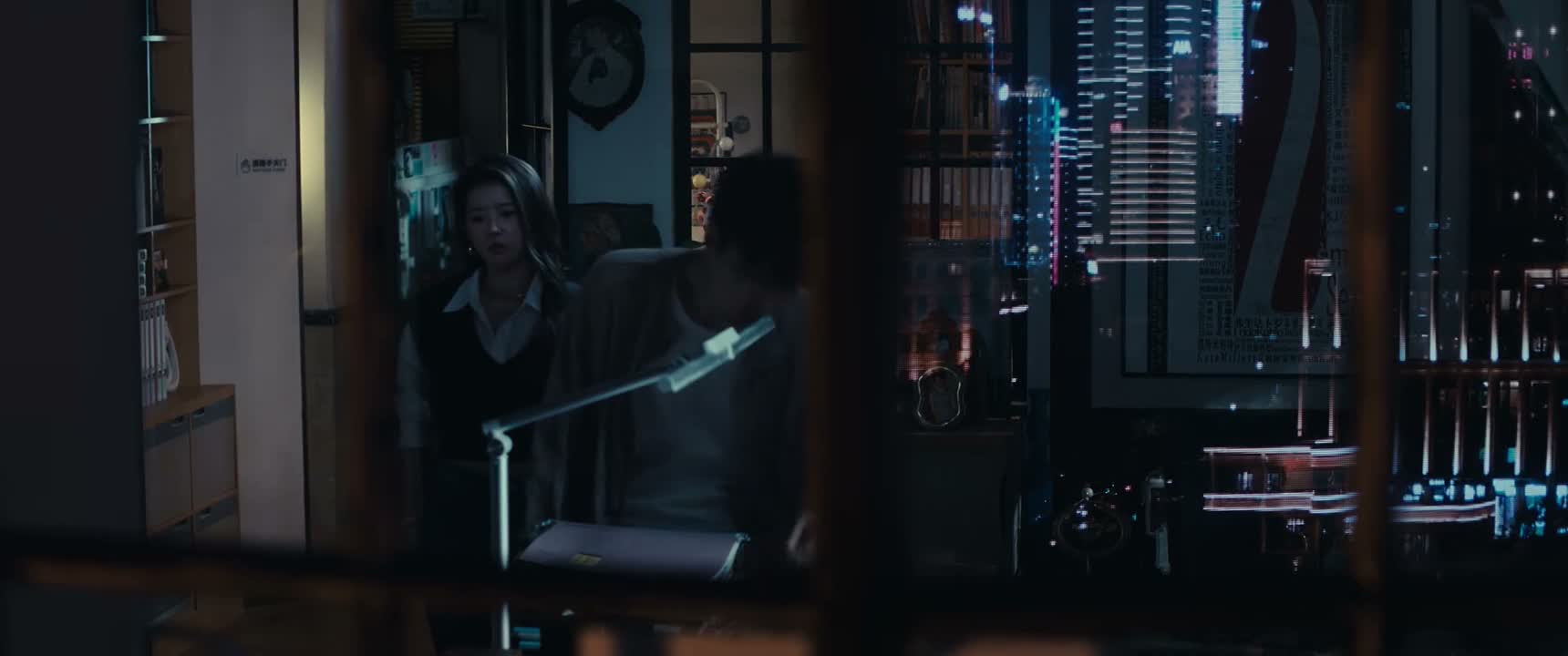
《Vanished Name》 S1·E1 (25:48) HSK 3
zhè ge wǒ bù yuàn yì huí jiā lóu gēn tā xìng de rén

这个我不愿意 回家喽 跟他姓的人

“- (I wouldn't take his surname.) - Let's go home.”

《Vanished Name》 S1·E1
TIMECODE: 25:48 · 1080P MASTER AUDIO

THE DIALOGUE REEL

1+1+1 SPOKEN CONTINUITY
[-1] PREVIOUS TURN hái tǐng chén de

还挺沉的

“You're pretty heavy.”

zhè ge wǒ bù yuàn yì huí jiā lóu gēn tā xìng de rén CURRENT FOCUS

这个 我不愿意 回家喽 跟他姓 的人

“- (I wouldn't take his surname.) - Let's go home.”

[+1] FOLLOW-UP TURN wǒ què yuàn yì xiāng xìn tā

我却愿意相信他

“(But I was willing to believe that he would protect me.)”

Subtitles synced to millisecond timecode Browse Show Clips →
Scene: Family & Home
Function: PLAYFUL REFUSAL
Tone: TEASING
Emotion: AMUSEMENT
WHAT THEY REALLY MEAN (PRAGMATIC SUBTEXT)
“I'm pretending to complain, but let's go home together anyway.”
💡 Cultural Insight: Patrilineal Naming Banter

In Chinese households, playfully referring to children as 'the one who took his surname' highlights kinship ties and patrilineal heritage in a joking, familial manner.

INTENT TAGS: #teasing #banter #affection #departure
🧩

LEARNING CHUNKS & PARTICLES

2 CHUNKS · 1 PARTICLES
我不愿意 SPOKEN CHUNK

I'm not willing / I refuse

Can be used formally for serious refusal, or lightheartedly to show mock petulance.

跟他姓的人 SPOKEN CHUNK

the person who shares his last name

A humorous way to refer to a child, spouse, or in-law belonging to a specific patrilineal side.

Modal Particle「喽」 (lou) CHANGE OF STATE

Expresses a lighthearted, singsong realization or prompt for action like wrapping up and leaving.
🏮

VOCABULARY & EXPRESSIONS

3 EXPR · 1 GRAMMAR
CROSS-CINEMA CORPUS BOARD · PARALLEL SCENES

Parallel Spoken Cinema Scenes (语义近邻切片)

EXPLORE BY SEMANTIC SIMILARITY
《Vanished Name》 S1·E1 (25:48) · Authentic Cinema Dialogue Corpus