你之前有听说过 这艘船上有黄昏草中毒的人吗
“Have you ever heard of anyone on this ship being poisoned by Twilight Grass?”
THE DIALOGUE REEL
我一下忘了
“I've suddenly forgotten.”
你之前有 听说过 这艘船上有黄昏草中毒 的 人吗
“Have you ever heard of anyone on this ship being poisoned by Twilight Grass?”
“I've never heard of anyone being poisoned on board.”
Direct spoken expression in this communicative setting.
In Chinese detective narratives, asking whether someone 'heard' something assesses the reach of rumors without formally accusing them.
LEARNING CHUNKS & PARTICLES
have heard of
A colloquial phrasing used to ask if someone has hearsay knowledge about a topic.
Marks a straightforward polar yes/no question.
VOCABULARY & EXPRESSIONS
Parallel Spoken Cinema Scenes (语义近邻切片)

“the Twilight Grass is exceptionally deadly.”

“As far as I know, only those who have been exposed to Twilight Grass”

“how much do you know about this Twilight Grass Poison case?”

“He was poisoned by the Twilight Grass Poison, yet he has managed to hold on for so long.”

“I still underestimated Twilight Grass Poison.”
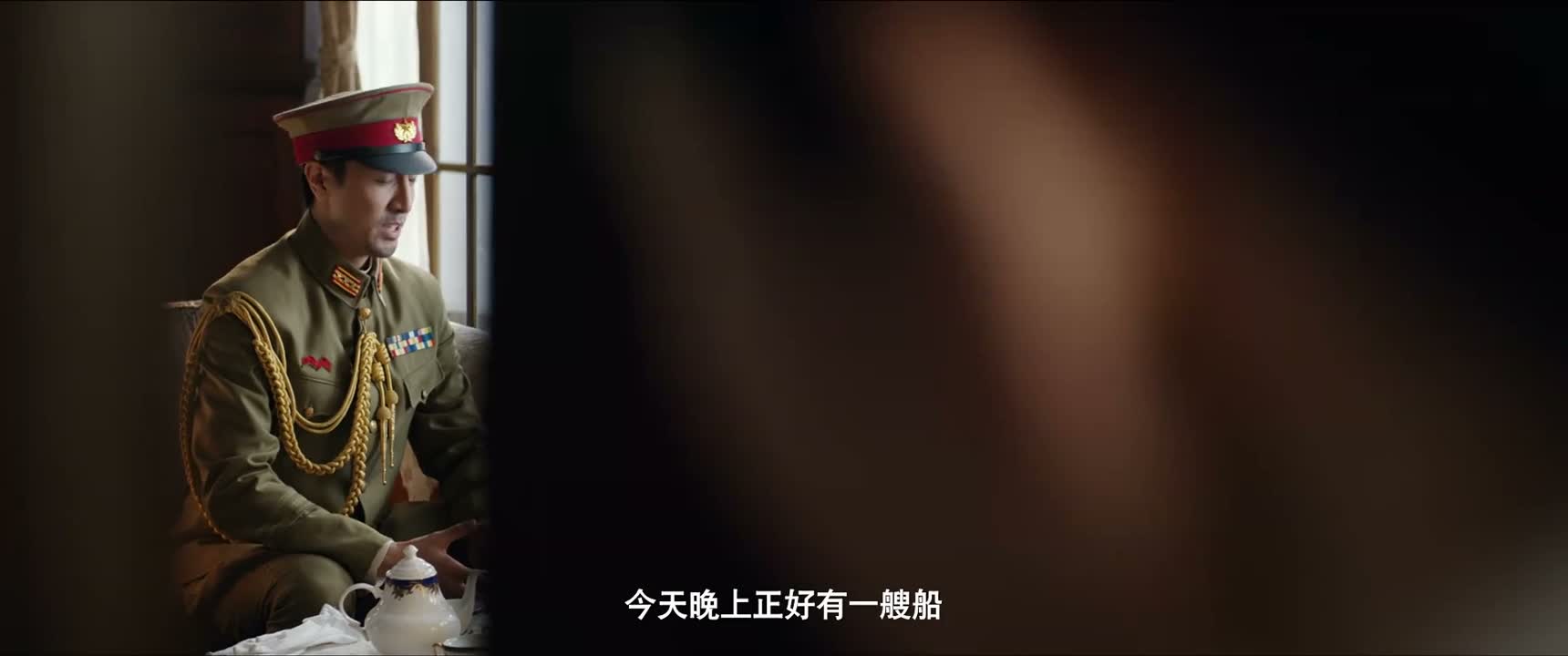
“There happens to be a ship tonight”