我已经理好了 回去睡了
“I've figured it out. I'm going to sleep.”
THE DIALOGUE REEL
好
“Okay.”
我已经 理好了 回去睡了
“I've figured it out. I'm going to sleep.”
明天我就给我的 那两个远房亲戚打电话 回家吃饭
“I'll call my two distant relatives and ask them to go back home for dinner tomorrow.”
Direct spoken expression in this communicative setting.
In Chinese domestic life, family members habitually narrate everyday actions like going to bed to maintain communal harmony without formal farewells.
LEARNING CHUNKS & PARTICLES
neatly organized; tidied up
Use this resultative complement structure to express finishing cleaning, sorting, or packing items.
going back to sleep
A common, casual spoken closing phrase used at home to signal heading to bed.
Marks completed action and a change of state signaling that it is now time to sleep.
VOCABULARY & EXPRESSIONS
Parallel Spoken Cinema Scenes (语义近邻切片)
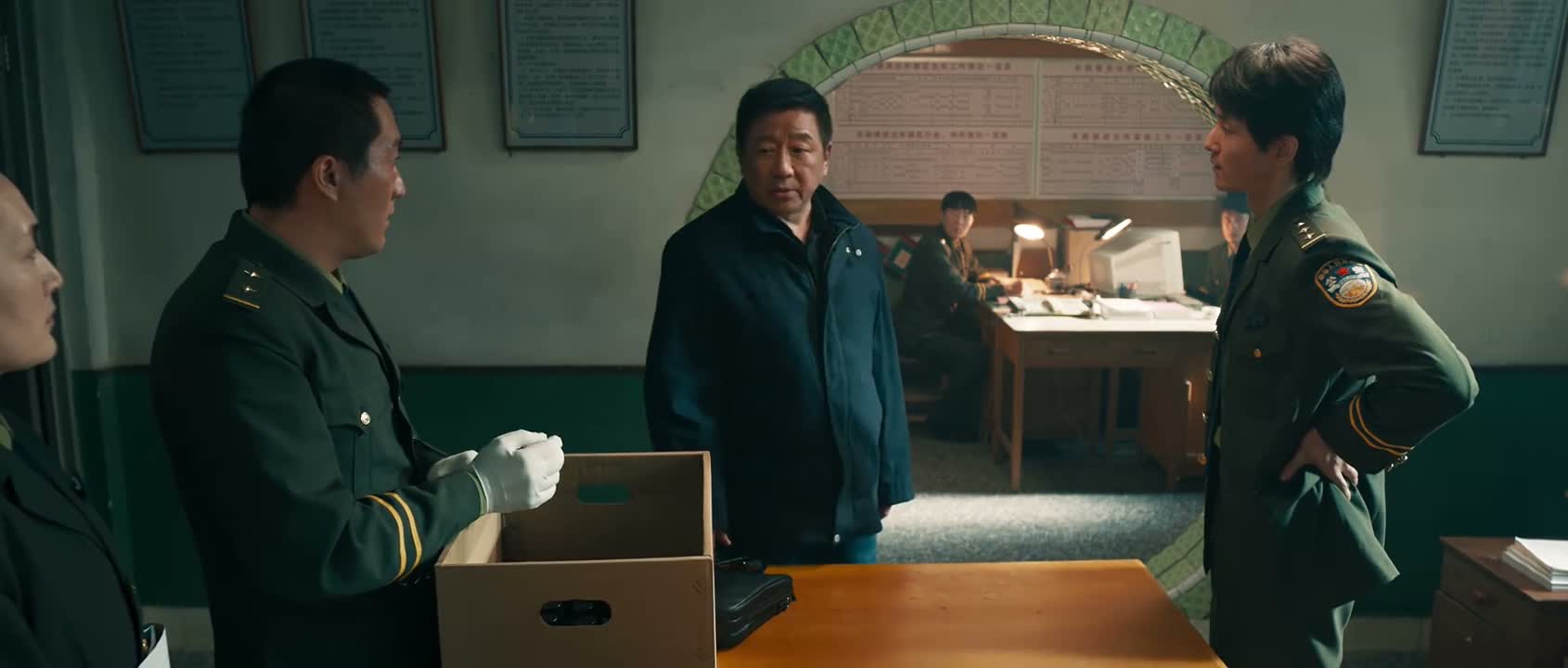
“should go back and get some rest.”
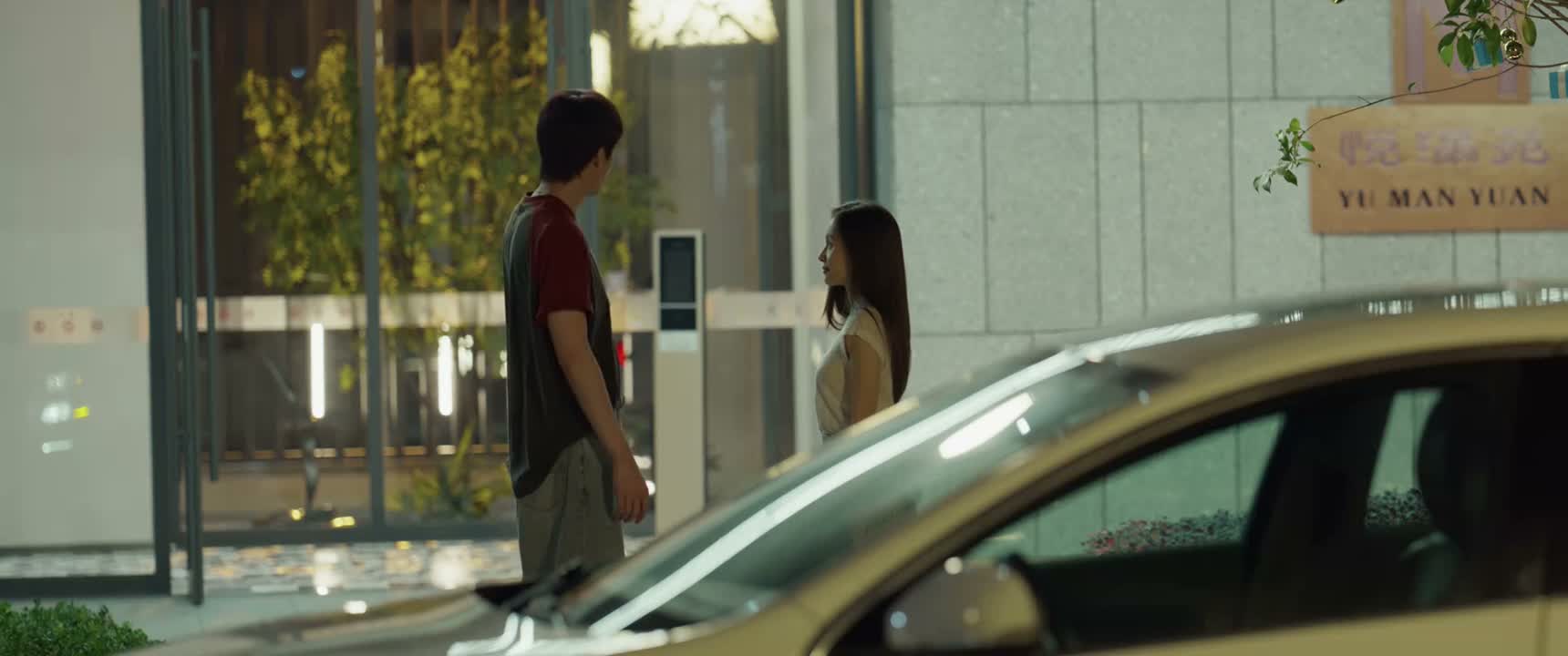
“Get some good sleep tonight.”

“Go back and rest early.”

“Go back and rest early.”

“So, I went back to sleep. I didn't see anything.”
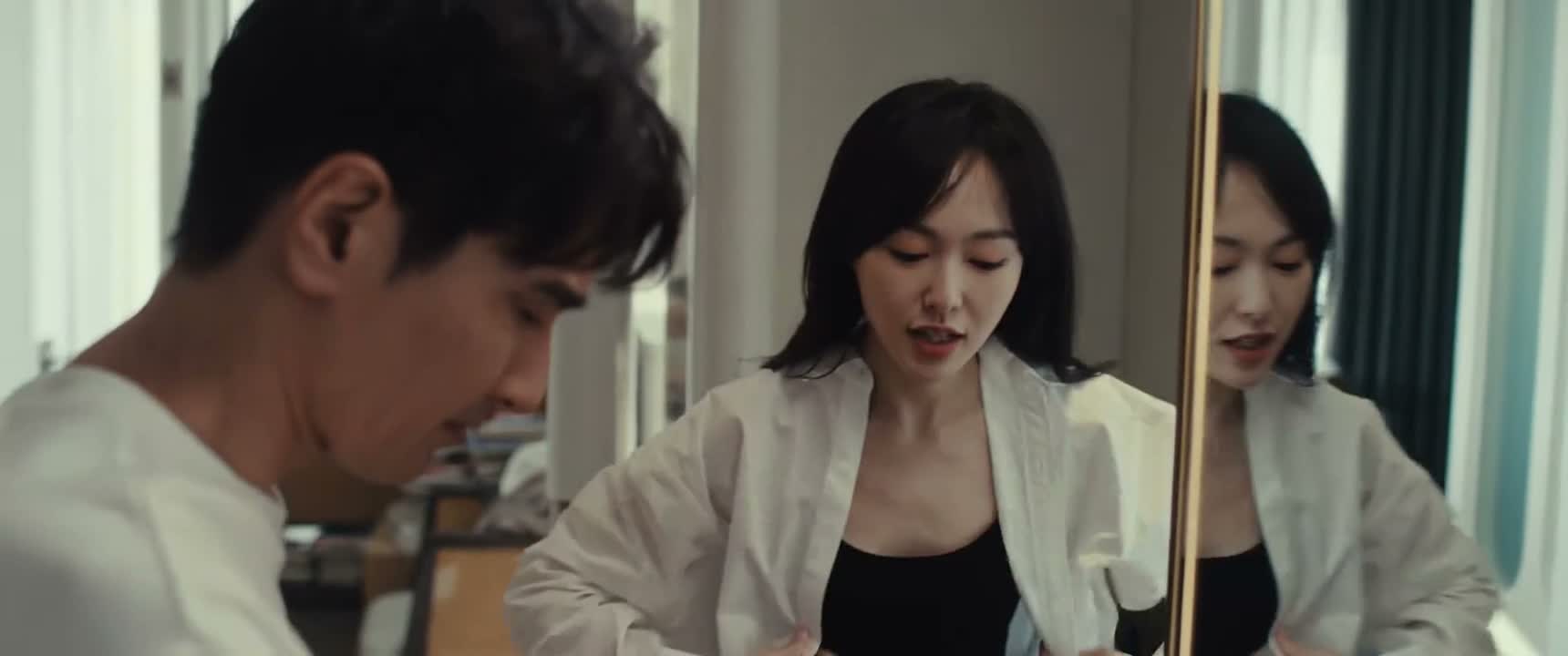
“You go first. After you're done, you can come back and continue sleeping.”