早点回去休息吧
“Go back and rest early.”
THE DIALOGUE REEL
又受了点伤
“And you've sustained some injuries.”
早点回去休息吧
“Go back and rest early.”
司令官阁下
“Commander.”
Direct spoken expression in this communicative setting.
Superiors in Chinese workplace culture often demonstrate concern for subordinates' physical health to build loyalty and show human touch alongside strict authority.
LEARNING CHUNKS & PARTICLES
go back earlier
Used frequently to show consideration when encouraging someone to leave work early.
get some rest
A polite, caring suggestion commonly uttered when someone appears tired or injured.
Softens the imperative into a warm, considerate recommendation rather than a harsh order.
VOCABULARY & EXPRESSIONS
Parallel Spoken Cinema Scenes (语义近邻切片)

“Go back and rest early.”

“Go get some rest. - Thanks. - Okay. He'll be fine. Don't worry.”

“Mom, you should head back and rest.”

“You should rest too.”

“Go back and rest in the palace. All right?”

“You should return inside and rest early.”

“Hurry home, take a shower, and get some sleep!”
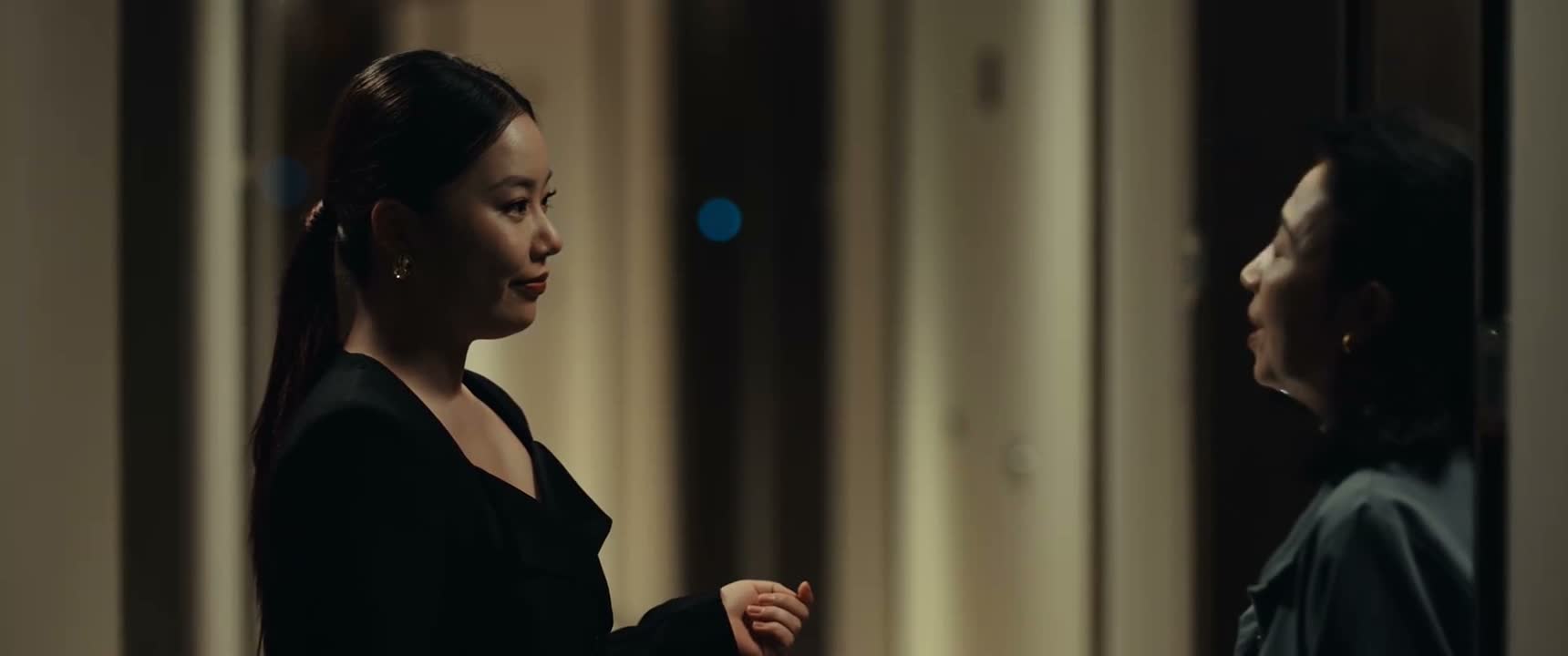
“Head back, then. Get some rest. Okay.”

“Go home and get some rest.”
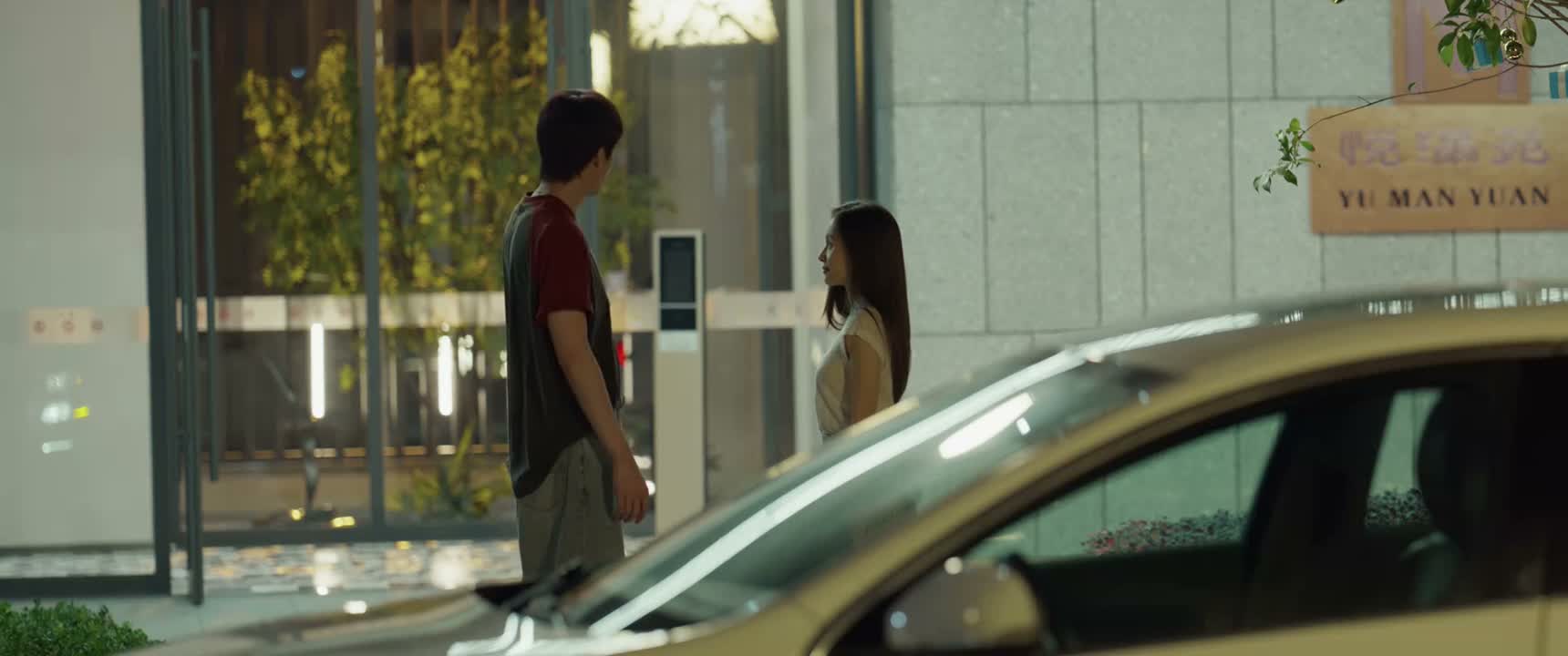
“Get some good sleep tonight.”

“you may rest in his room tonight.”

“You should head back and rest, too. We will keep going tomorrow.”

“You should rest early too. I'll come pay my respects tomorrow.”

“Go back and get some rest. Eat something and give your brain a rest.”

“Go home and rest up. Take the morning off. Get some sleep. Thanks, Ms. Lin.”
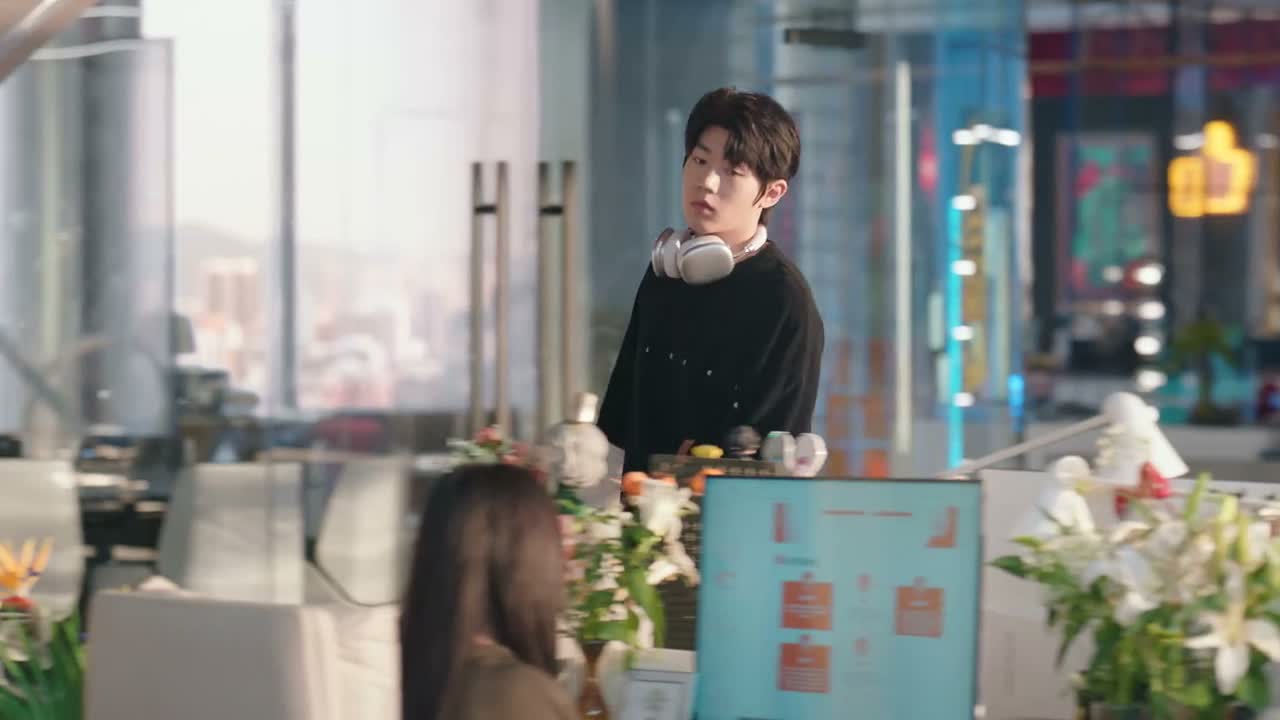
“Leave early. Just leave the rest for tomorrow.”

“Go rest a bit. We'll be busy again soon.”

“This ink will probably need a whole night to be mixed. Why don't you go back, get some sleep,”
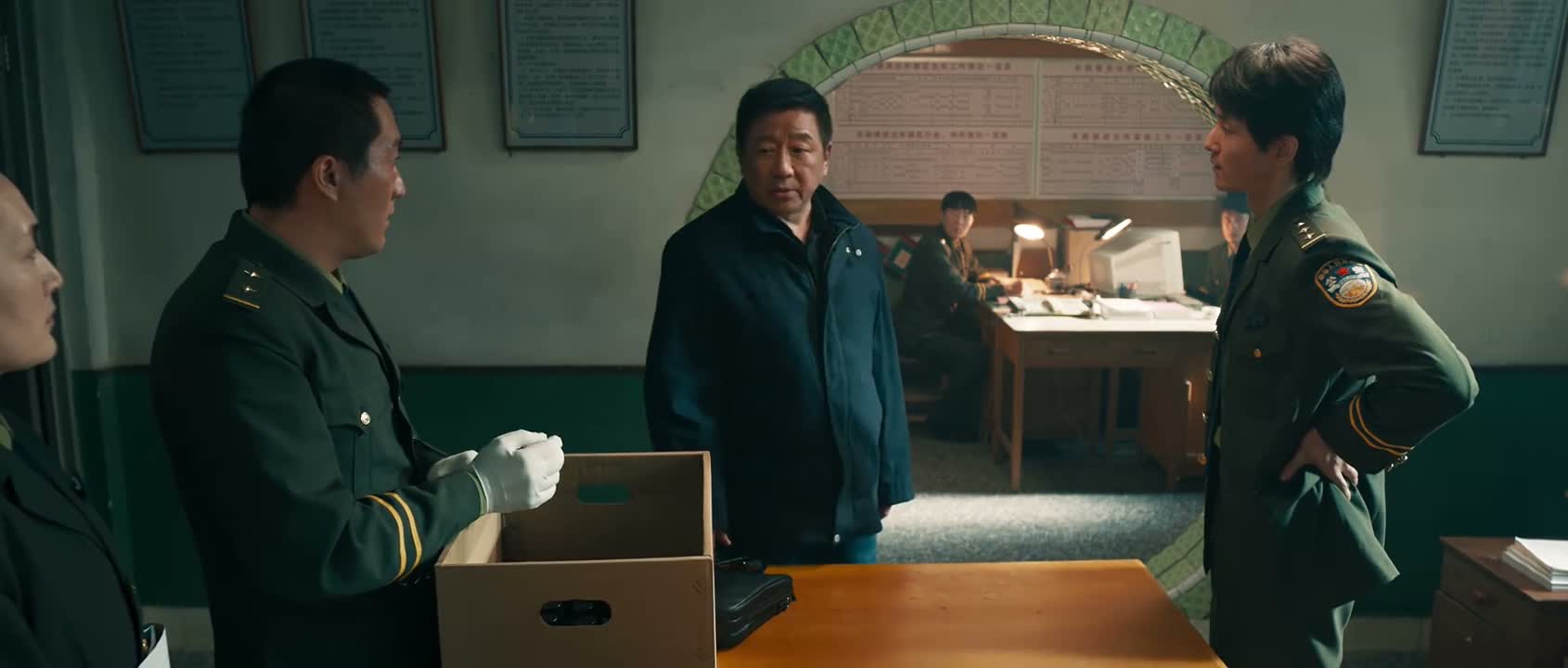
“should go back and get some rest.”