但是我强调一下 老解他真的初衷是好的
“But I must emphasize that Xie's intentions were good.”
THE DIALOGUE REEL
这个问题上我和老林嘛 我们都是要负起责任的 是
“On this issue, Lin and I both must take responsibility. Yes.”
但 是我 强调一下 老解他 真的 初衷是好的
“But I must emphasize that Xie's intentions were good.”
“No one expected it to turn out this way. Of course, we didn't catch the problem in time.”
“Don't punish him too harshly; his intentions were noble even though the project failed.”
In Chinese institutional culture, proving that one had 'good intentions' (初衷是好的) significantly softens administrative liability and preserves personal honor.
Prefixing a colleague's surname with '老' (Lao, e.g., 老解) demonstrates solidarity, collegiality, and long-standing mutual respect.
LEARNING CHUNKS & PARTICLES
to emphasize; let me highlight
Used in professional or semi-formal discussions to draw special attention to a crucial point.
the original intention was good
A classic defense used in Chinese workplace and interpersonal culture to deflect moral blameworthiness when outcomes go wrong.
VOCABULARY & EXPRESSIONS
Parallel Spoken Cinema Scenes (语义近邻切片)

“Actually, Xie isn't entirely to blame.”

“What? Xie, what's wrong with you? You scared me.”
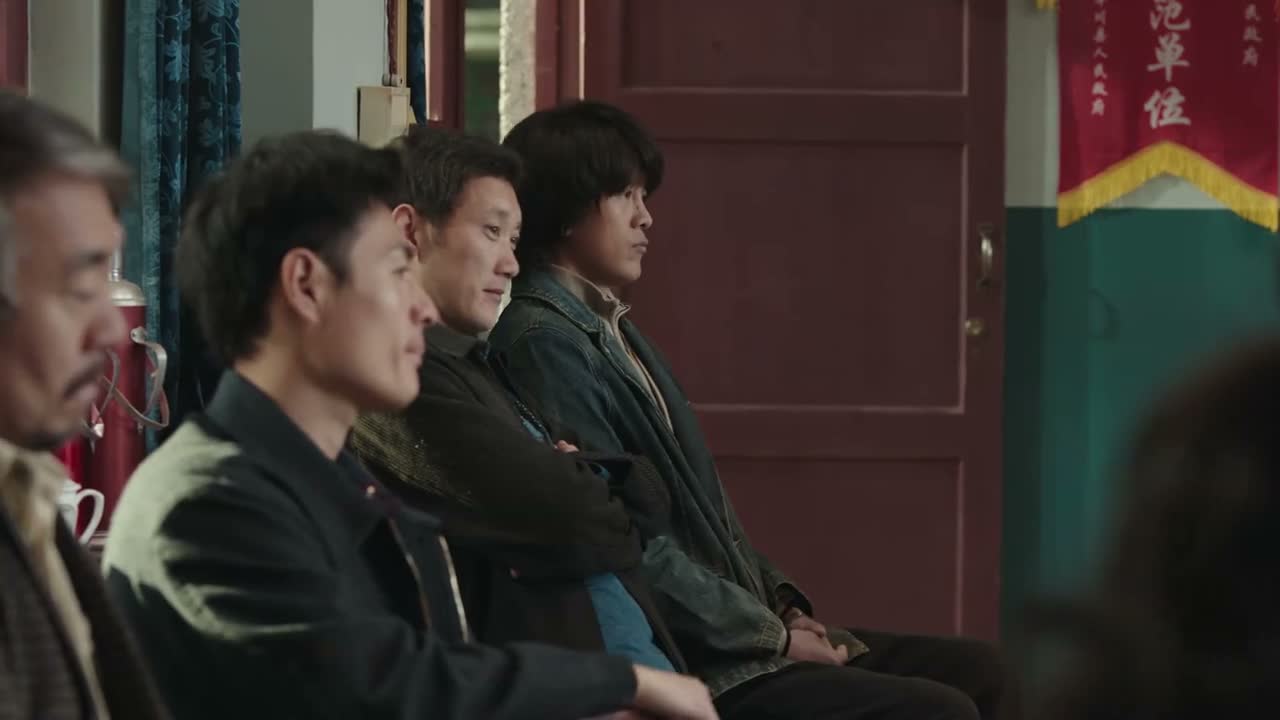
“Alright, Xie, let me say something.”

“But I'm not familiar with that town. Well, Xie could go. Xie is quite familiar with that town.”

“Xie, I disagree. Everything should be canceled.”
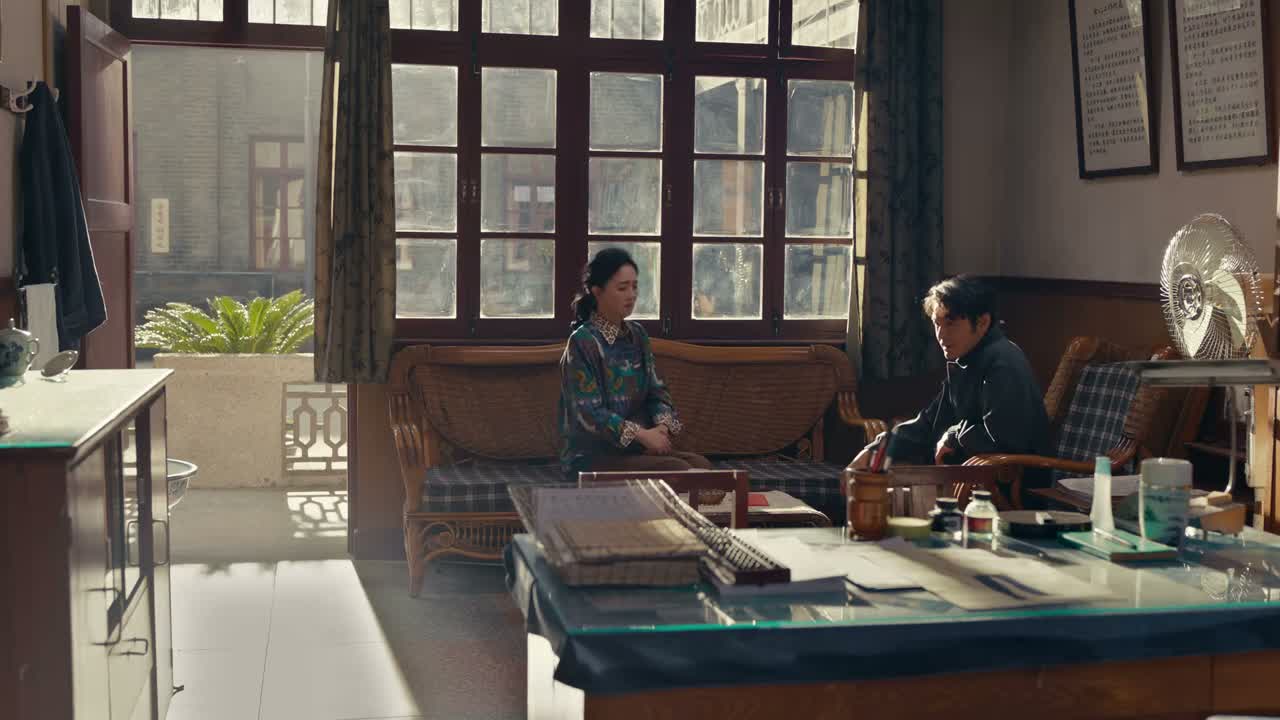
“Xie should have told me.”