何必做此 小儿女姿态呢
“Why resort to such childish theatrics?”
THE DIALOGUE REEL
“It was only to be expected that you wouldn't inherit the title.”
何必 做此 小儿女姿态 呢
“Why resort to such childish theatrics?”
陛下还有一道口谕 要给你
“His Majesty has another verbal decree for you.”
“Pull yourself together and act like a grown dignitary; we have imperial business to attend to.”
In traditional Chinese court culture, public displays of grief, panic, or petty sentimentality are seen as signs of weakness unbefitting high-ranking officials or nobles.
LEARNING CHUNKS & PARTICLES
why must; there is no need to
A rhetorical adverb used to challenge an unnecessary or inappropriate action.
petty and sentimental posturing; childish emotional display
A formal, slightly literary expression used to criticize someone acting overly emotional or lacking statesmanlike composure.
Softens the rhetorical question while adding a mild, condescending edge of questioning the listener's judgment.
VOCABULARY & EXPRESSIONS
Parallel Spoken Cinema Scenes (语义近邻切片)
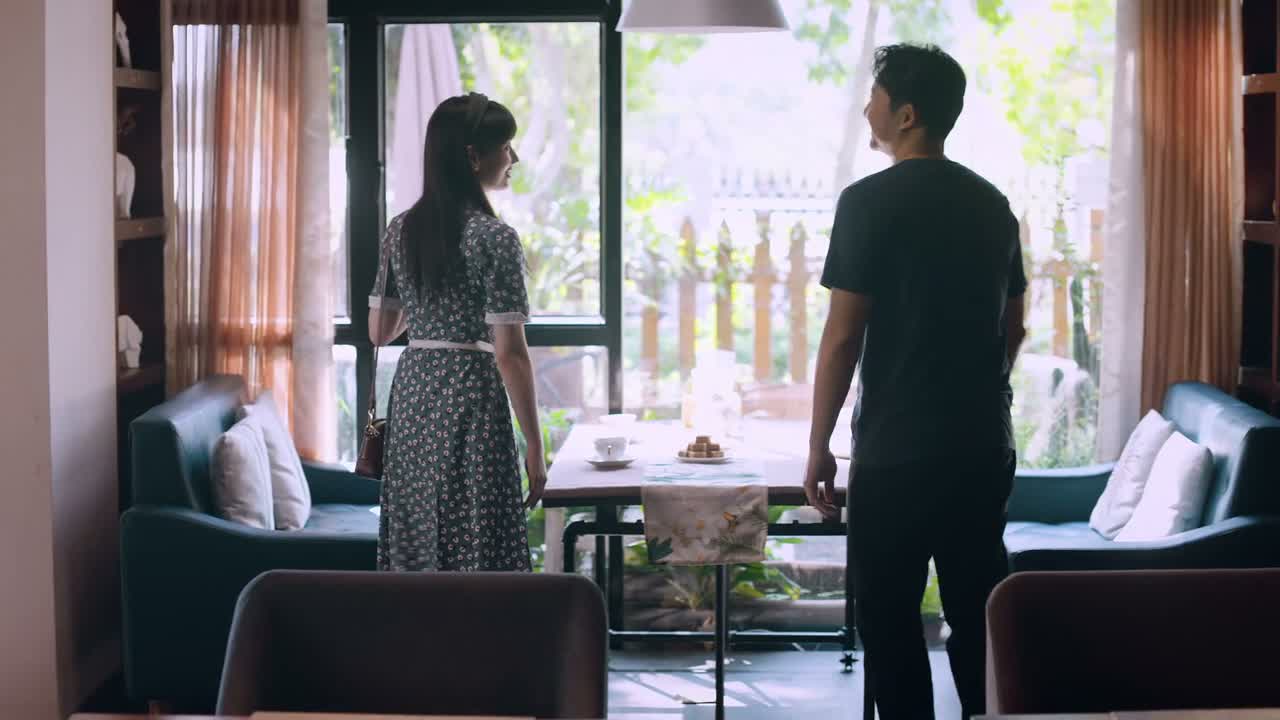
“She's young and childish. It doesn't matter.”
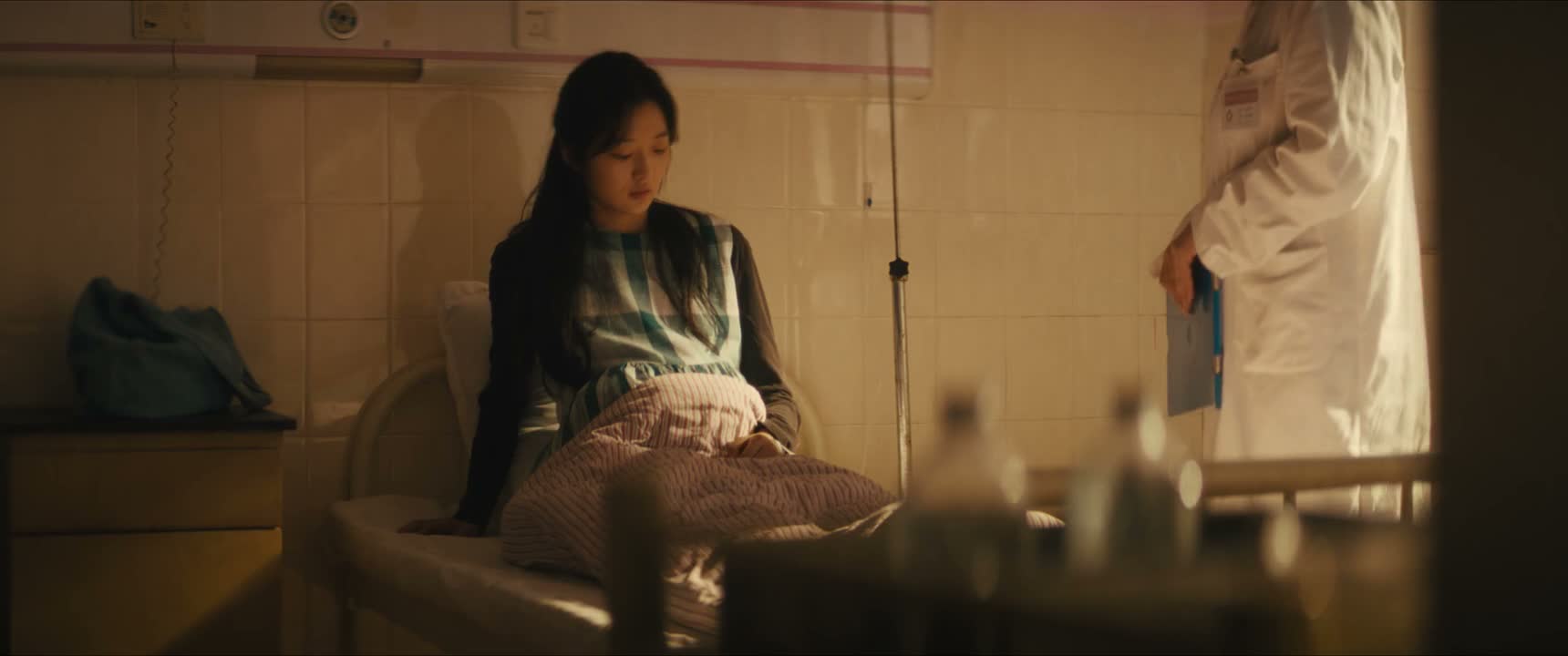
“It's okay. Don't worry.”

“I'm getting a divorce. Why would I want this child? Decide for yourself.”

“Those kids are so mindless. This is for your safety.”

“Her kid is young, so she's exhausted.”
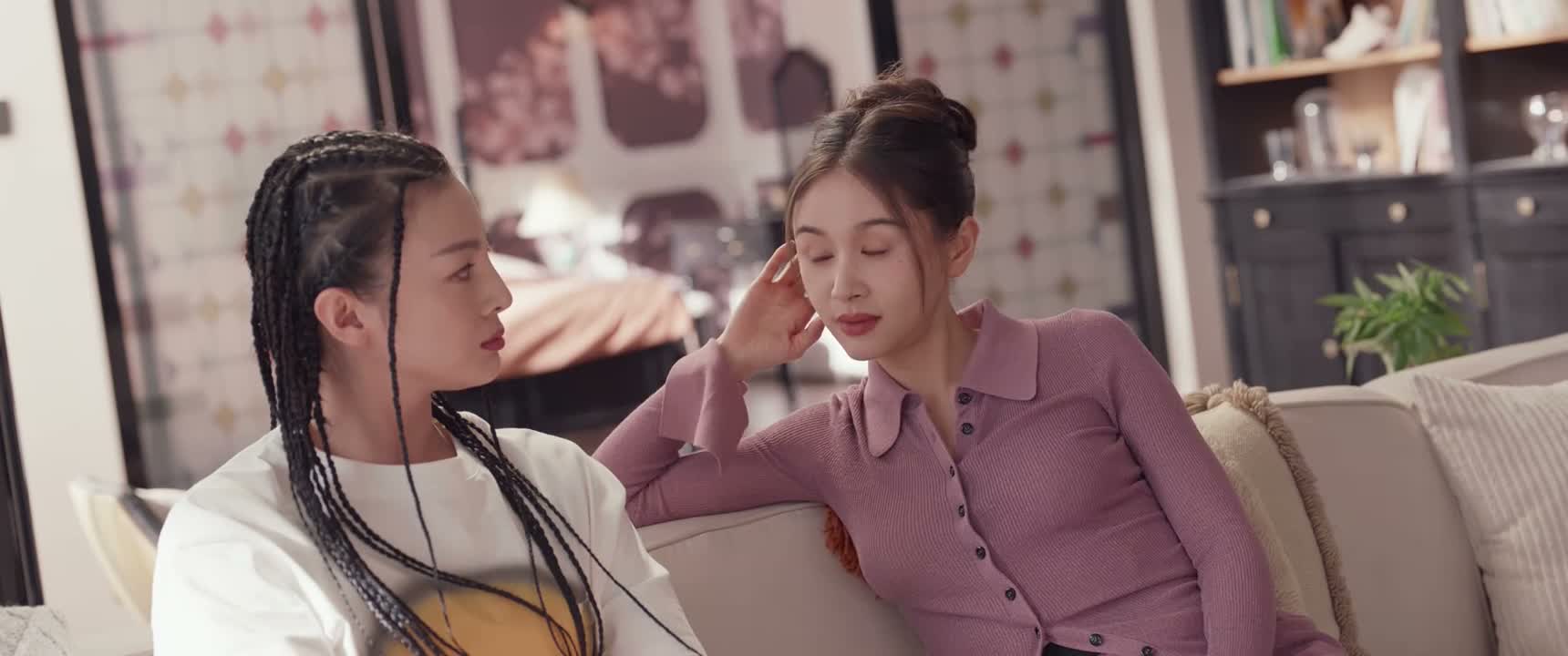
“So what if he's younger?”