行恶事 却想得好报
“They do evil, yet hope for good retribution.”
THE DIALOGUE REEL
那自然相信卦象预示 天道神教 福善祸淫
“Naturally, he believed in the hexagrams. The teaching says that good deeds bring blessings.”
行恶事 却想 得好报
“They do evil, yet hope for good retribution.”
荒唐 他打算新的孩子在出生之后就动手
“How absurd. He was planning to do it after the child was born.”
Direct spoken expression in this communicative setting.
Deeply embedded in Chinese Daoist and Buddhist worldviews is the doctrine that goodness brings blessings while wickedness invites disaster (善有善报,恶有恶报).
LEARNING CHUNKS & PARTICLES
to commit evil acts
A literary and formal collocation often paired with karmic or ethical commentary.
to receive good retribution/rewards
Derives from karmic philosophy; commonly used when discussing poetic justice or moral desserts.
VOCABULARY & EXPRESSIONS
Parallel Spoken Cinema Scenes (语义近邻切片)
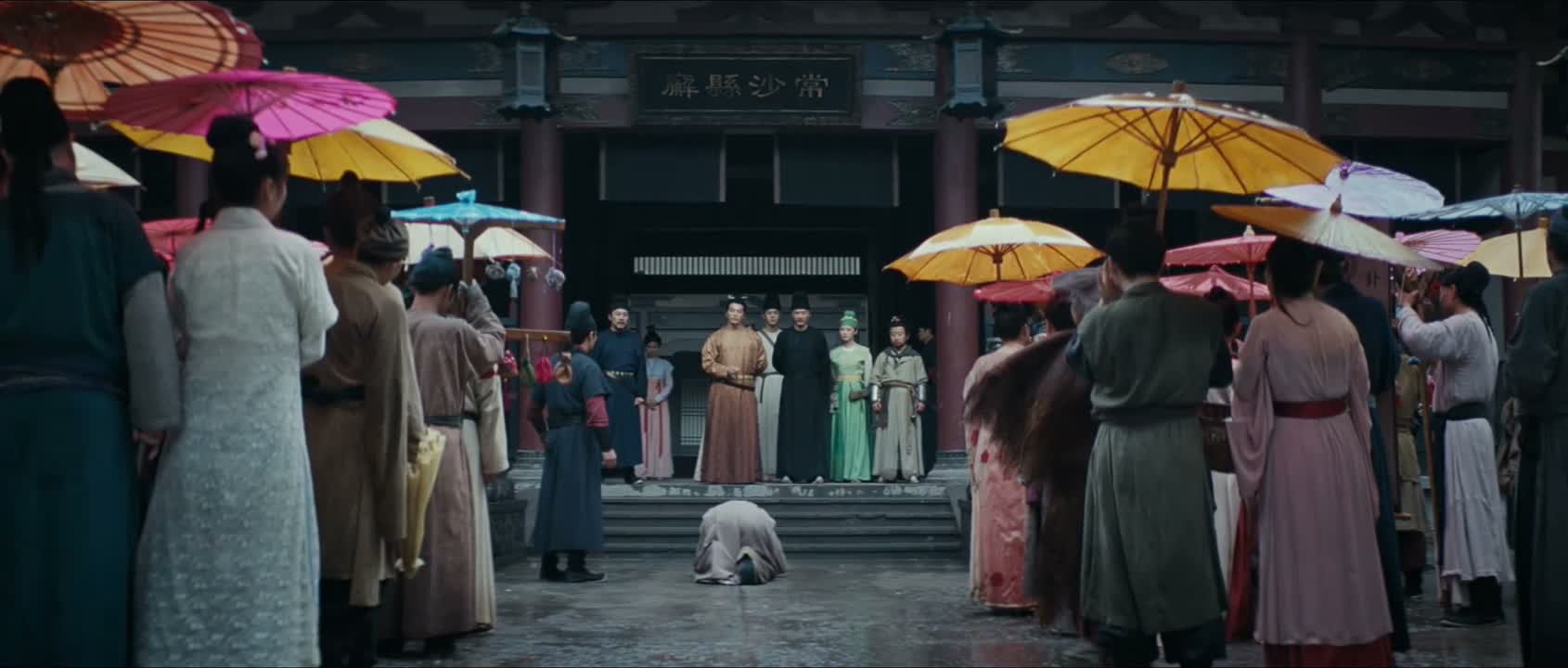
“your crimes are monstrous”

“Doing bad things is so hard.”

“that doing bad things is really hard.”

“You've committed many evil deeds.”

“Bad people do bad things. What does this have to do with you?”

“Twist it around?”