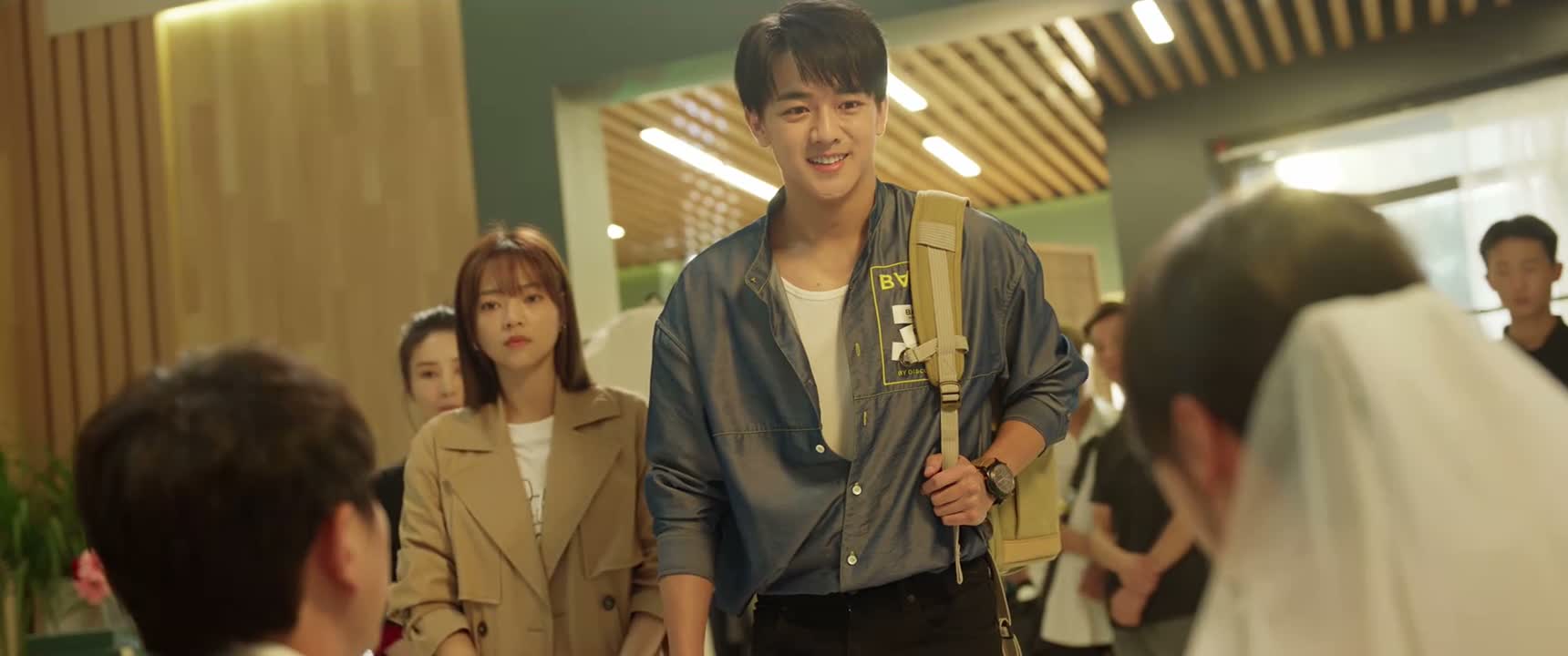
你谁呀 咋知道我笔名呢
“Who are you? How do you know my pen name?”
THE DIALOGUE REEL
唐城笑笑生
“Scholar of Tangcheng.”
你谁呀 咋知道 我笔名呢
“Who are you? How do you know my pen name?”
《长安出了个潘金莲》 是你写的不
“Did you write The Pan Jinlian in Chang'an?”
“Who are you, and why are you snooping into my private business?”
Writers and online creators often maintain strict boundaries between real life and their pen name (笔名); breaching this uninvited triggers immediate suspicion.
LEARNING CHUNKS & PARTICLES
who are you?
A very direct, informal question that can sound borderline rude or defensive depending on tone.
pen name / pseudonym
Standard noun used for an author's or writer's publishing pseudonym.
Softens the abruptness of the direct inquiry while maintaining informal curiosity.
Marks an open question while emphasizing genuine puzzlement or suspicion.
VOCABULARY & EXPRESSIONS
Parallel Spoken Cinema Scenes (语义近邻切片)

“Who are you? I'm nobody. I just heard you cussing someone and wanted to cuss you back.”

“-Who are you? -Who are you? Come out! Master!”

“Why should I answer your calls? Fine, we shouldn't be buddies anymore.”

“Who is he? Do I know him?”

“Who are you? Who do you think you are? None of your business! I'm her boyfriend!”
“Who are you? None of your business!”