你要有什么不高兴 可以跟我说呀
“If you're unhappy, you can tell me.”
THE DIALOGUE REEL
我没注意 我光注意看电影了
“I didn't notice. I was just watching the movie.”
你要 有什么不高兴 可以跟 我说呀
“If you're unhappy, you can tell me.”
“I'm a person who is straightforward. I can't read minds.”
“Stop giving me the silent treatment; just tell me what's wrong.”
Traditional romance dynamics in China frequently feature subtle emotional hints that partners are expected to decipher without words; modern or blunt partners often struggle with this and demand explicit dialogue.
LEARNING CHUNKS & PARTICLES
whatever is bothering you / any unhappiness
A polite, caring phrase used to ask about someone's hidden grievance or upset mood.
talk to me / tell me
Standard conversational chunk used to invite disclosure and provide emotional support.
Softens the suggestion into an affectionate, patient plea rather than a cold demand.
VOCABULARY & EXPRESSIONS
Parallel Spoken Cinema Scenes (语义近邻切片)

“Someone's unhappy. I need to cheer him up.”

“No need to get too excited. I will do my best.”
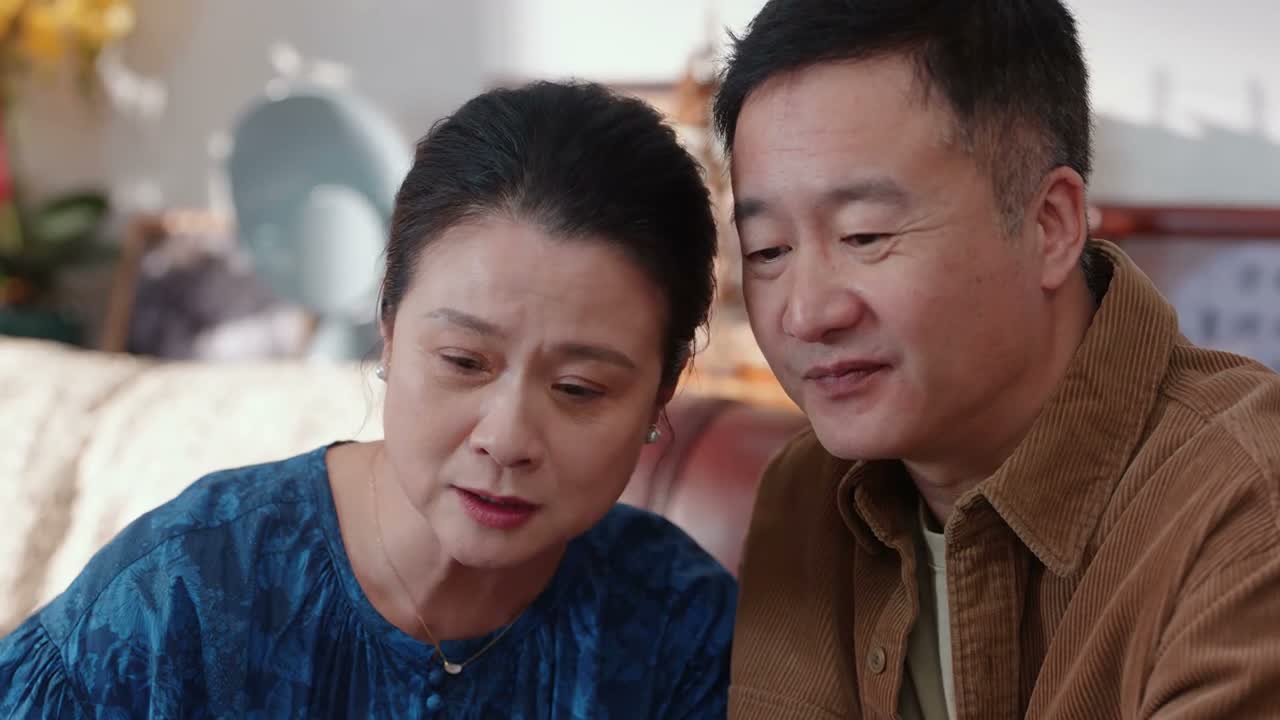
“if at work, something makes you unhappy,”

“Let's not talk about those unhappy things.”

“I'm just unwilling to tell you unhappy things,”

“Because you'll feel even worse. Just talk.”

“But you are still not happy. You canceled the scholarship on purpose”

“Whenever I was unhappy, whenever things went wrong,”