MC
MandarinClips Cinema Corpus
《Veil of Shadows》 S1·E20 (20:19) HSK 7
yǒu rén bù gāo xìng le wǒ dé hǒng tā kāi xīn ya

有人不高兴了 我得哄他开心呀

“Someone's unhappy. I need to cheer him up.”

《Veil of Shadows》 S1·E20
TIMECODE: 20:19 · 1080P MASTER AUDIO

THE DIALOGUE REEL

1+1+1 SPOKEN CONTINUITY
[-1] PREVIOUS TURN zhè shì gàn má ?

这是干吗?

“What are you doing?”

yǒu rén bù gāo xìng le wǒ dé hǒng tā kāi xīn ya CURRENT FOCUS

有人 不高兴了 我得哄他 开心 呀

“Someone's unhappy. I need to cheer him up.”

[+1] FOLLOW-UP TURN bù liǎo

不了

“I'm good.”

Subtitles synced to millisecond timecode Browse Show Clips →
Scene: Social & Dating
Function: COAXING
Tone: TEASING
Emotion: AFFECTION
WHAT THEY REALLY MEAN (PRAGMATIC SUBTEXT)
“Stop pretending you are fine; I know you are pouting and I want to make you smile.”
💡 Cultural Insight: Hong (Coaxing / Pacifying)

In Chinese romantic culture, 'hong' implies active emotional pampering and soothing when one partner sulks (sajiao or shengqi), seen as an essential display of caring.

INTENT TAGS: #coaxing #playful_teasing #affection #defusing_tension
🧩

LEARNING CHUNKS & PARTICLES

2 CHUNKS · 2 PARTICLES
哄他开心 SPOKEN CHUNK

to coax him to be happy; to cheer him up

A very common romantic or domestic phrase used when pacifying a partner or child who is sulking.

有人不高兴了 SPOKEN CHUNK

someone is unhappy / someone is pouting

Using the indefinite pronoun 'someone' instead of 'you' softens the statement into playful teasing.

Modal Particle「了」 (le) CHANGE OF STATE

Marks a change of state, indicating that the person has become noticeably upset.

Modal Particle「呀」 (ya) CHANGE OF STATE

Softens the assertion, giving the sentence a coquettish, warm, and playful cadence.

🏮

VOCABULARY & EXPRESSIONS

3 EXPR · 0 GRAMMAR
CROSS-CINEMA CORPUS BOARD · PARALLEL SCENES

Parallel Spoken Cinema Scenes (语义近邻切片)
EXPLORE BY SEMANTIC SIMILARITY
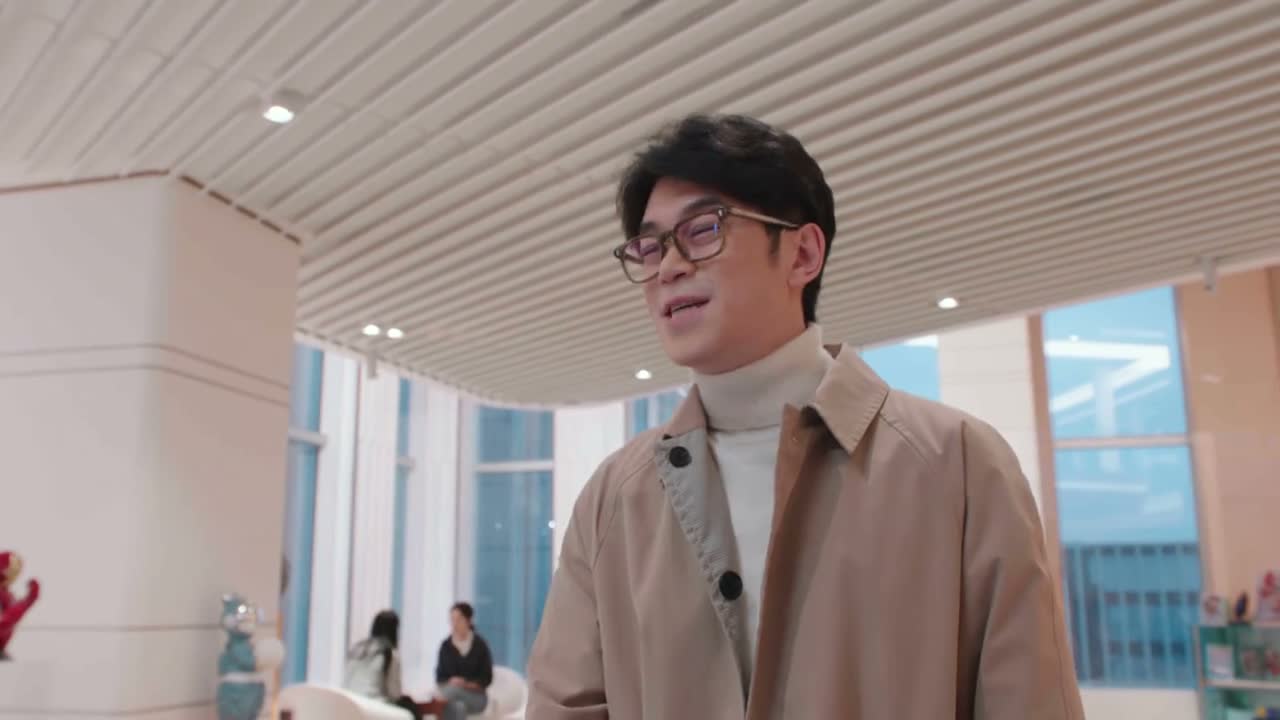
你们也不用太开心 我会加油的
《年少有为》
88% Match
你们也不用太开心 我会加油的
nǐ men yě bù yòng tài kāi xīn wǒ huì jiā yóu de

“No need to get too excited. I will do my best.”

一副不高兴的样子 没有啊 我挺高兴的
《你好1983》
88% Match
一副不高兴的样子 没有啊 我挺高兴的
yī fù bù gāo xìng de yàng zi méi yǒu a wǒ tǐng gāo xìng de

“You look unhappy. No, I'm quite happy.”

怎么 你不高兴 就找人来这么一出是吧
《爱情有烟火》
88% Match
怎么 你不高兴 就找人来这么一出是吧
zěn me nǐ bù gāo xìng jiù zhǎo rén lái zhè me yī chū shì ba

“What? Because you're unhappy, you got someone to pull a stunt like this?”
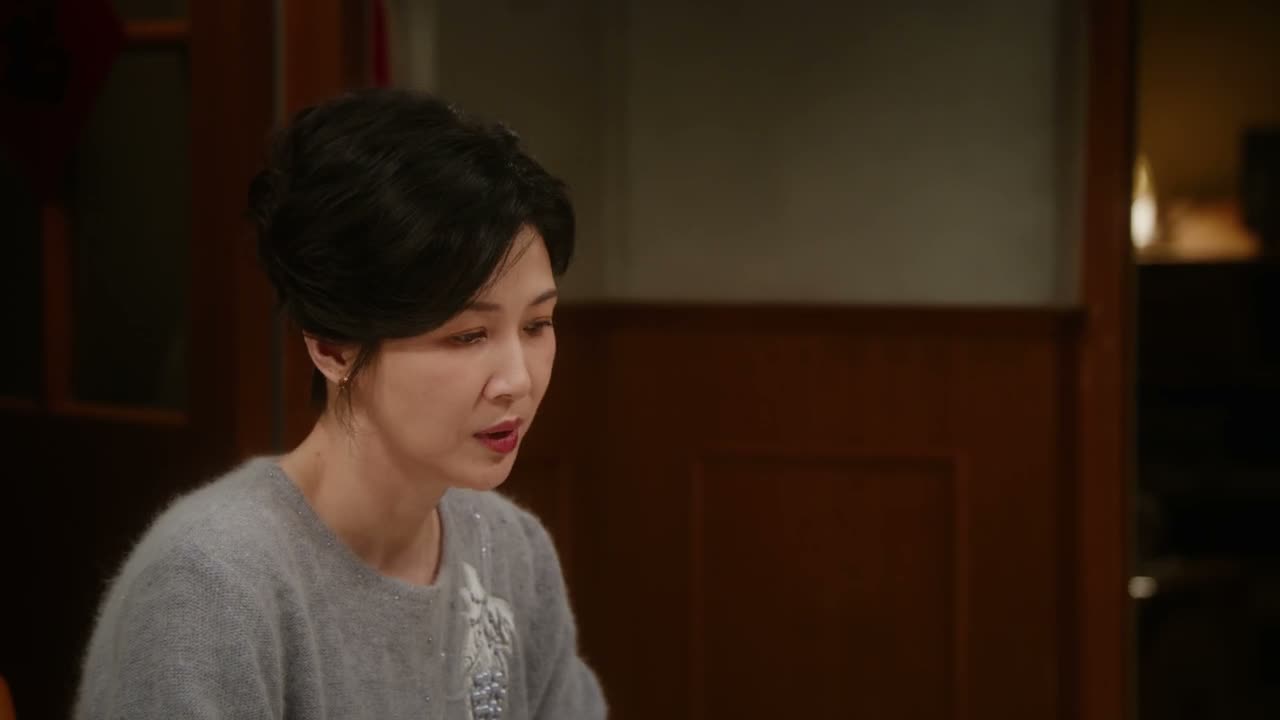
会闹得不大高兴
《冬去春来》
88% Match
会闹得不大高兴
huì nào dé bù dà gāo xìng

“it'll be unpleasant.”

那我能不高兴吗 他俩的事解决了
《纯真年代的爱情》
88% Match
那我能不高兴吗 他俩的事解决了
nà wǒ néng bù gāo xìng ma tā liǎ de shì jiě jué le

“How could I not be happy? Their problem's finally solved.”
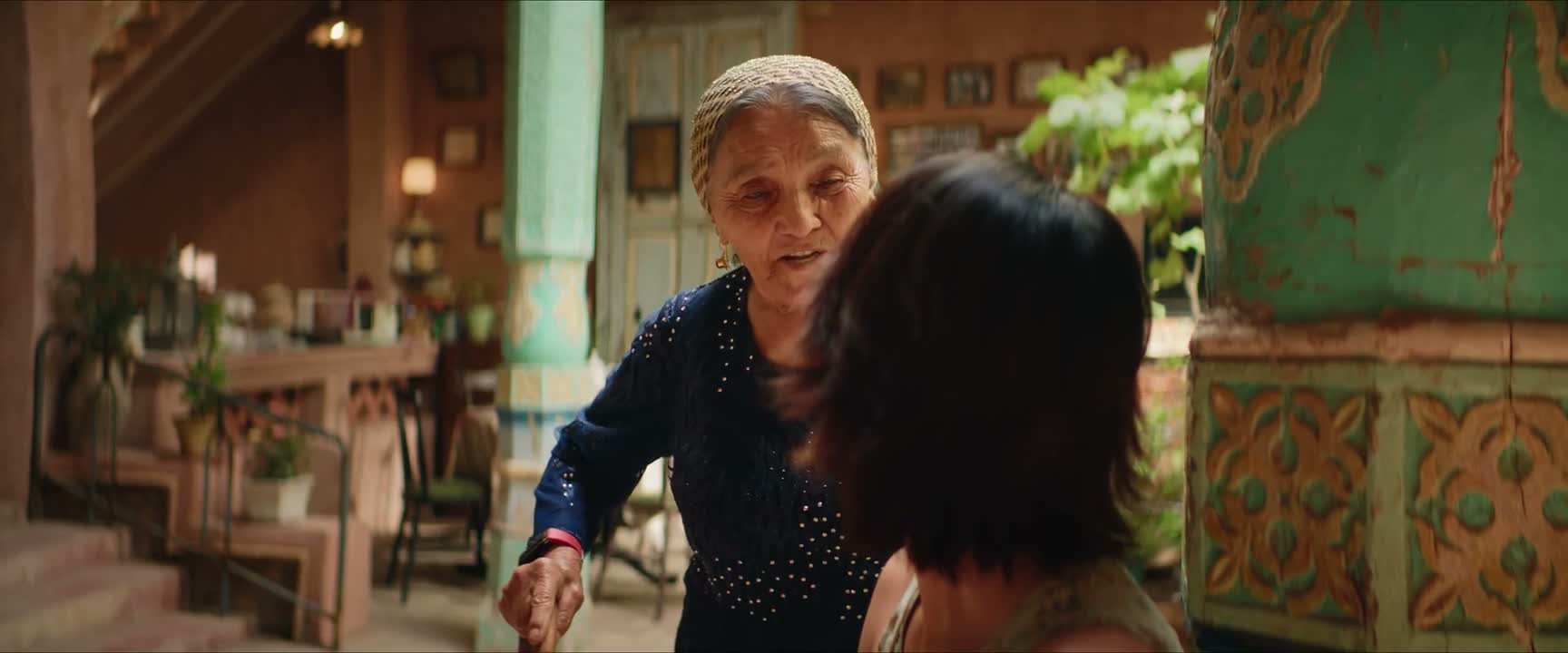
那没有不高兴就好
《喀什恋歌》
88% Match
那没有不高兴就好
nà méi yǒu bù gāo xìng jiù hǎo

“That's good.”

你要有什么不高兴 可以跟我说呀
《生命树》
88% Match
你要有什么不高兴 可以跟我说呀
nǐ yào yǒu shén me bù gāo xìng kě yǐ gēn wǒ shuō ya

“If you're unhappy, you can tell me.”

怎么不高兴 我看是你看到我 不高兴吧
《以家人之名》
88% Match
怎么不高兴 我看是你看到我 不高兴吧
zěn me bù gāo xìng wǒ kàn shì nǐ kàn dào wǒ bù gāo xìng ba

“You look upset. I think you're upset after seeing me.”
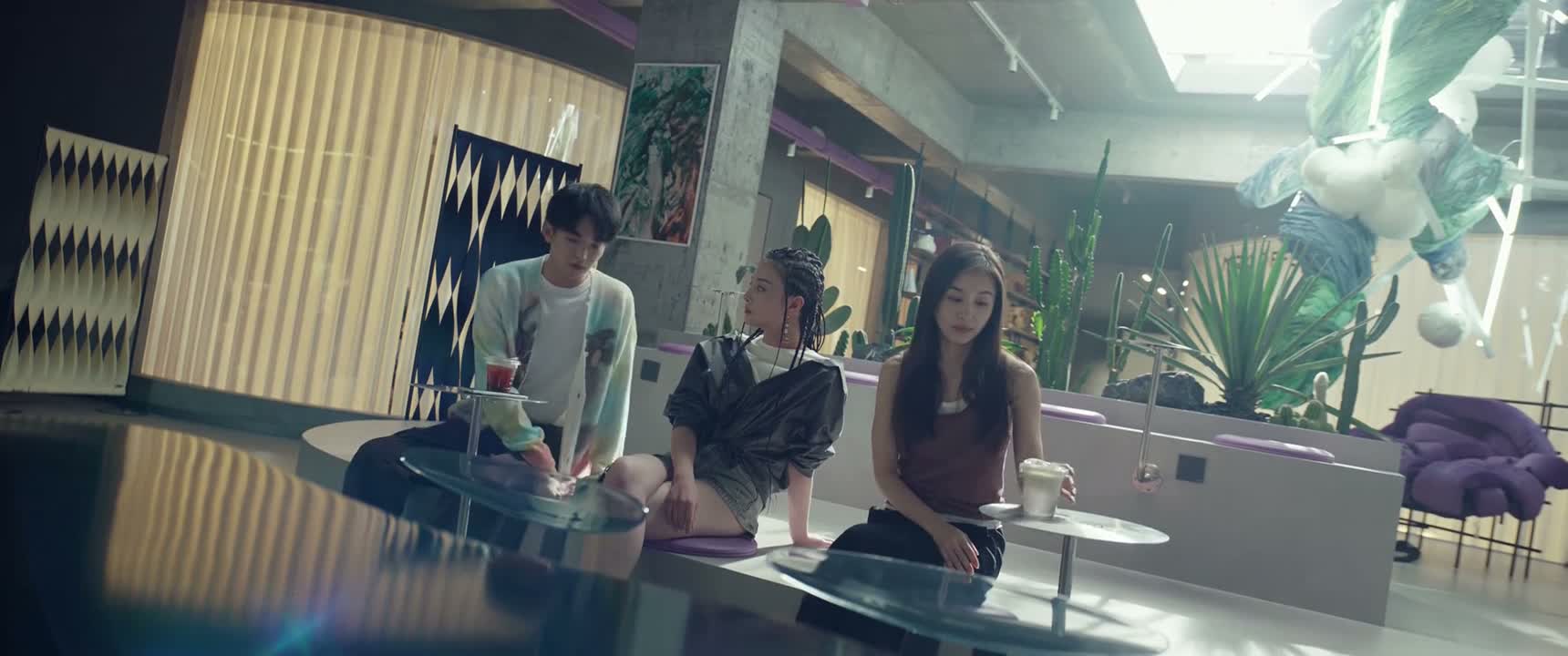
你有什么不高兴的 想让我改的
《玫瑰丛生》
88% Match
你有什么不高兴的 想让我改的
nǐ yǒu shén me bù gāo xìng de xiǎng ràng wǒ gǎi de

“If you're upset about something, or want me to change,”

高兴和不高兴 都写在脸上
《以家人之名》
88% Match
高兴和不高兴 都写在脸上
gāo xìng hé bù gāo xìng dōu xiě zài liǎn shàng

“You can tell if she's happy or not from her face.”

怎么 我来你不高兴啊
《纯真年代的爱情》
88% Match
怎么 我来你不高兴啊
zěn me wǒ lái nǐ bù gāo xìng a

“Why? Are you unhappy I came?”

《Veil of Shadows》 S1·E20 (20:19) · Authentic Cinema Dialogue Corpus