怎么不高兴 我看是你看到我 不高兴吧
“You look upset. I think you're upset after seeing me.”
THE DIALOGUE REEL
累了
“Are you tired?”
怎么不高兴 我看 是 你看 到我 不高兴吧
“You look upset. I think you're upset after seeing me.”
怎么跟你哥说话呢 你不是口口声声说
“Watch your tone! Didn't you say”
“Don't claim you are just tired; it is obvious you just hate seeing my face.”
Within close Chinese family relationships, speakers often bypass polite indirectness to sharply call out negative attitudes or facial expressions ('lianse').
LEARNING CHUNKS & PARTICLES
in my opinion, it's actually... / seems to me that...
Used colloquially to introduce one's subjective judgment or suspicion, often disagreeing with the listener's explanation.
why are you unhappy / what's with the mood
Used to confront someone showing negative facial expressions or mood.
Marks an assertive guess or rhetorical assumption, making the accusation sound challenging rather than a genuine inquiry.
VOCABULARY & EXPRESSIONS
Parallel Spoken Cinema Scenes (语义近邻切片)

“Why? Are you unhappy I came?”
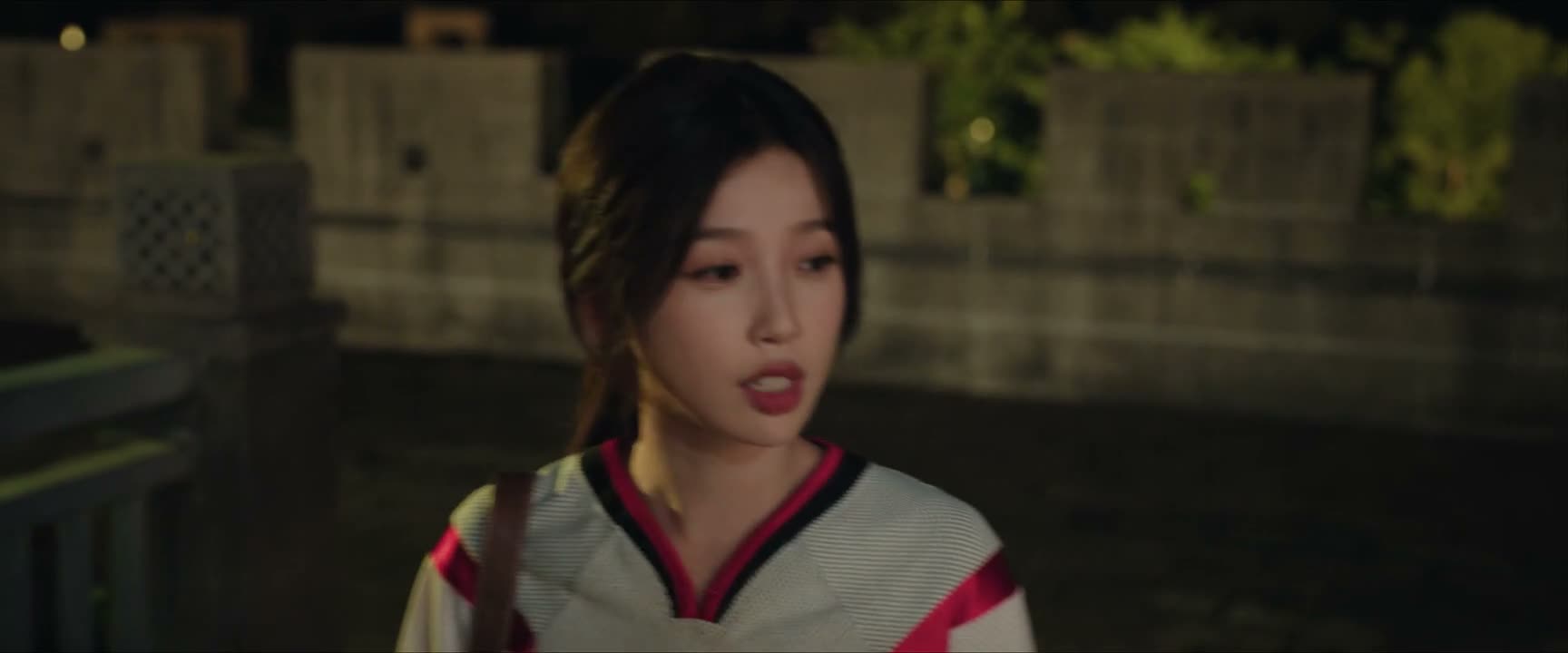
“Then why don't you look happy?”

“Someone's unhappy. I need to cheer him up.”

“we had a little quarrel.”

“Let's not talk about those unhappy things.”

“Because you'll feel even worse. Just talk.”

“When we know our friends are upset,”

“Whenever I was unhappy, whenever things went wrong,”