这么不开心的事 还是别提了
“Let's not talk about those unhappy things.”
THE DIALOGUE REEL
对不起啊
“I'm sorry.”
这么 不开心 的事 还是 别提了
“Let's not talk about those unhappy things.”
我都给忘了
“I've forgotten them.”
“Don't worry about it—let's just drop the subject and move on.”
In Chinese communication, dwelling on painful or embarrassing topics is considered bad form; offering a graceful exit like '别提了' protects mutual harmony.
LEARNING CHUNKS & PARTICLES
better not bring it up; let's drop it
A diplomatic and gentle way to propose changing the subject when an uncomfortable or distressing topic arises.
such an unpleasant thing / matter
Used to categorize an event as distressing, justifying why further discussion should cease.
Functions as a change-of-state modal particle following the prohibitive '别', softening the suggestion into a polite collective cessation.
VOCABULARY & EXPRESSIONS
Parallel Spoken Cinema Scenes (语义近邻切片)

“Let's stop thinking about that, okay? Let's talk about something happy.”

“the bad luck and unhappiness into the new year.”

“You look unhappy. No, I'm quite happy.”

“What? Because you're unhappy, you got someone to pull a stunt like this?”

“Is that what you call "haven't suffered much"? Let's not talk about unhappy things.”

“How could I not be happy? Their problem's finally solved.”

“The key is she didn't look happy.”

“That's good.”
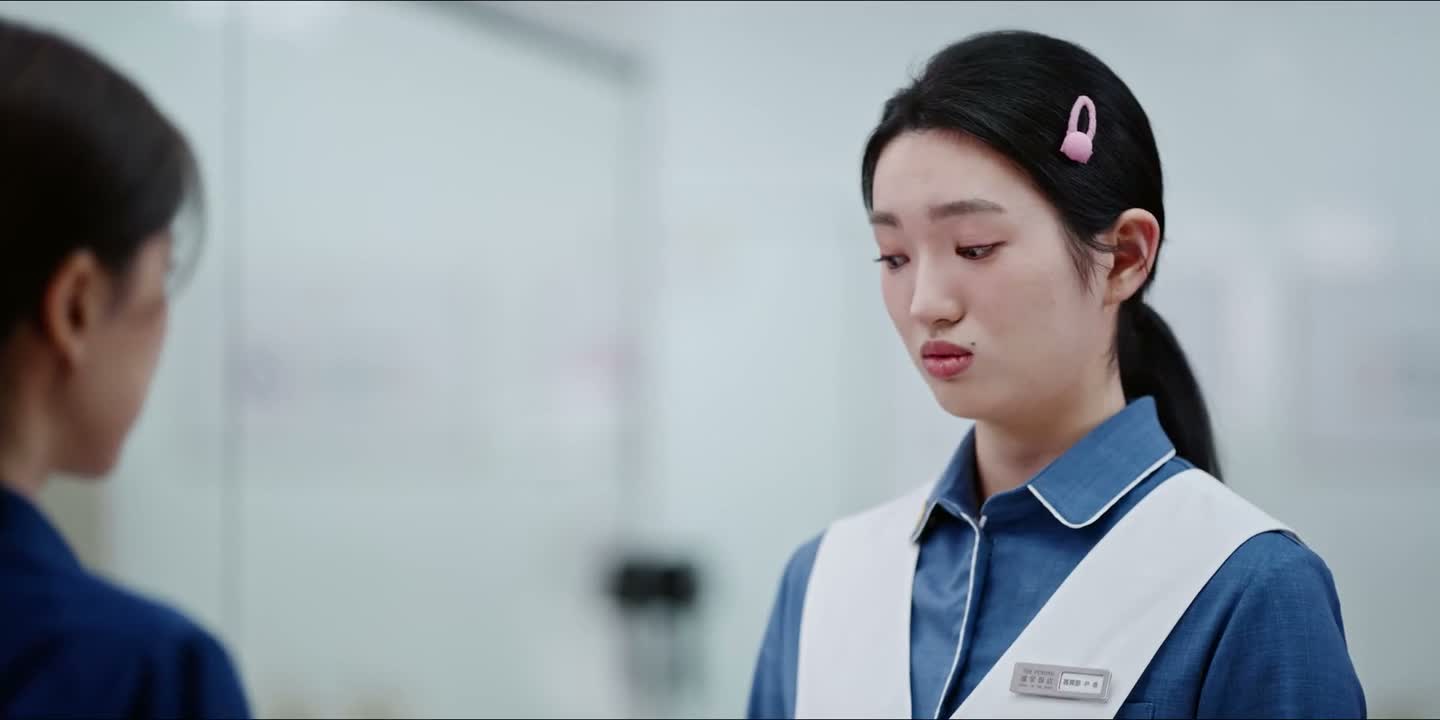
“Luo Qingping is unhappy”

“If you're unhappy, you can tell me.”

“You look upset. I think you're upset after seeing me.”

“For someone like that, if they cannot resolve their inner knots,”

“This isn't very good, is it? No, wait. Forget about those.”
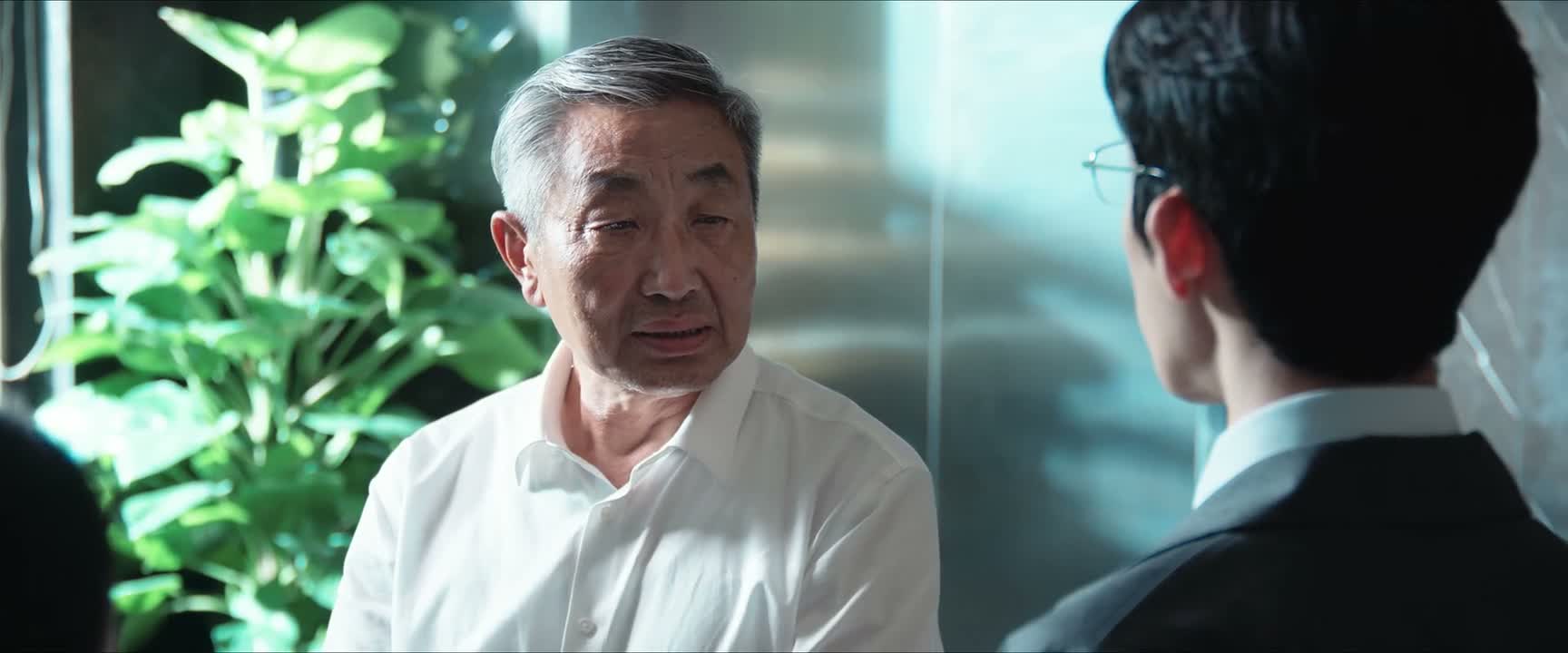
“or just unwilling that Zhou is going to drive me?”

“I'm just unwilling to tell you unhappy things,”

“Because you'll feel even worse. Just talk.”