一副不高兴的样子 没有啊 我挺高兴的
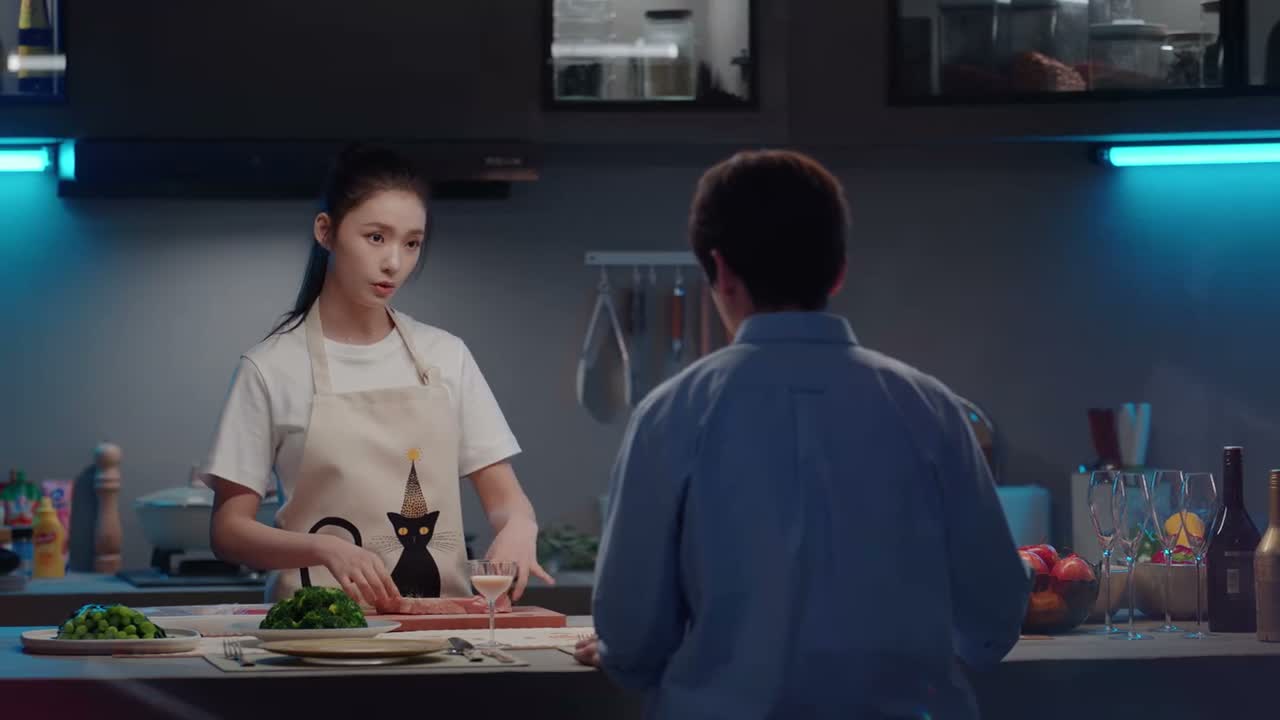
“You look unhappy. No, I'm quite happy.”
THE DIALOGUE REEL
怎么了
“What's wrong?”
一副不高兴的样子 没有啊 我 挺高兴的
“You look unhappy. No, I'm quite happy.”
咱们去食堂吧 行 走
“Let's go to the dining hall. Okay. Let's go.”
“I really do feel upset, but I do not want to talk about it right now.”
In Chinese interpersonal interactions, people often deflect personal distress with '挺好的' or '没事' to maintain harmony and avoid burdening others.
LEARNING CHUNKS & PARTICLES
having an appearance or look of...
Used to describe someone's facial expression, demeanor, or posture.
not at all / that's not true
A common colloquial formula used to soften a direct denial or rebuttal.
quite / fairly...
A standard spoken frame to describe moderate to high degree.
Conveys defensiveness and adds an emphatic, explanatory overtone to the denial.
Completes the descriptive structure '挺……的' affirming a current state.
VOCABULARY & EXPRESSIONS
Parallel Spoken Cinema Scenes (语义近邻切片)

“which made him so upset, but he didn't know how to refute.”

“Then why don't you look happy?”

“and they barely get any views. And, you're upset about it too. Say, could it be that this job isn't meant for you?”

“Someone's unhappy. I need to cheer him up.”

“Let's not talk about those unhappy things.”

“Whenever I was unhappy, whenever things went wrong,”
“when past projects succeeded.”