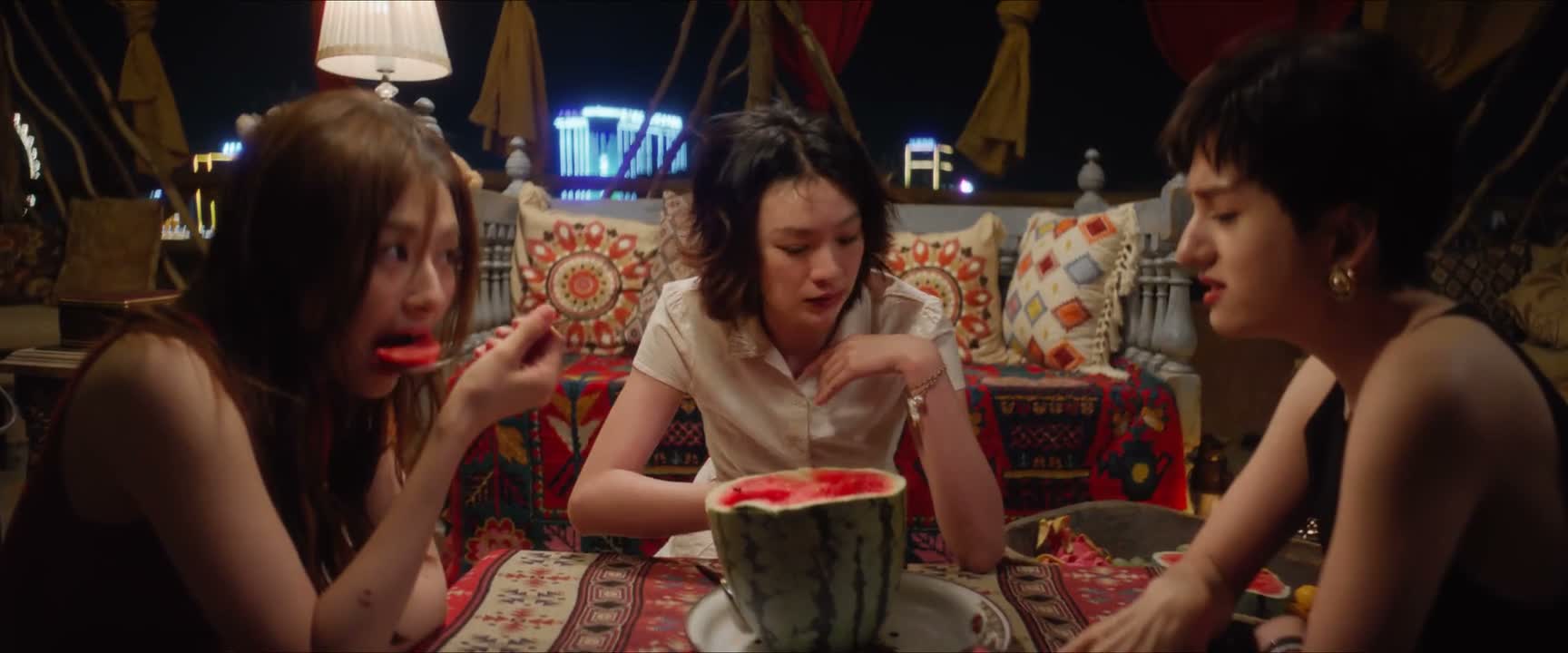
《Born to Be Alive》 S1·E14 (36:42)
HSK 2
wǒ xǐ huān kàn shén me yàng de diàn yǐng nǐ zhī dào ma wǒ wèi shén me xǐ huān
我喜欢看 什么样的电影 你知道吗 我为什么喜欢
“Do you know what kind of movies I like? Do you know? Do you know why I like them?”
《Born to Be Alive》
S1·E14
TIMECODE: 36:42
·
1080P MASTER AUDIO
THE DIALOGUE REEL
wǒ xǐ huān kàn shén me yàng de diàn yǐng nǐ zhī dào ma wǒ wèi shén me xǐ huān
CURRENT FOCUS
我 喜欢看 什么样的 电影 你知道吗 我 为什么喜欢
“Do you know what kind of movies I like? Do you know? Do you know why I like them?”
[+1] FOLLOW-UP TURN
nǐ zhī dào ma
你知道吗
“Do you know?”
Subtitles synced to millisecond timecode
Browse Show Clips →
Scene:
Social & Dating
Function:
SEEKING UNDERSTANDING
Tone:
CHALLENGING
Emotion:
LONGING
WHAT THEY REALLY MEAN (PRAGMATIC SUBTEXT)
“You claim to care about inner qualities, but you don't actually know the real me at all.”
💡 Cultural Insight: Inner Resonance (知音 / Zhiyin)
In Chinese romantic and intimate discourse, being genuinely known on an emotional and intellectual level is prized above superficial affection.
INTENT TAGS:
#probing
#emotional_connection
#challenging
#seeking_validation
🧩
2 CHUNKS · 1 PARTICLES
LEARNING CHUNKS & PARTICLES
什么样的
SPOKEN CHUNK
what kind of; what sort of
A foundational interrogative modifier used to ask about categories, styles, or qualities.
你知道吗
SPOKEN CHUNK
do you know?; you know what?
Used both as an inquiry into knowledge and as a rhetorical hook to grab the listener's focus.
Modal Particle「吗」 (ma)
CHANGE OF STATE
Marks a straightforward polar yes-no question with an interrogative tone.
🏮
4 EXPR · 1 GRAMMAR
VOCABULARY & EXPRESSIONS
COLLOQUIAL EXPRESSIONS:
GRAMMAR BLUEPRINTS:
CROSS-CINEMA CORPUS BOARD · PARALLEL SCENES
EXPLORE BY SEMANTIC SIMILARITY
Parallel Spoken Cinema Scenes (语义近邻切片)
《Born to Be Alive》 S1·E14 (36:42) · Authentic Cinema Dialogue Corpus