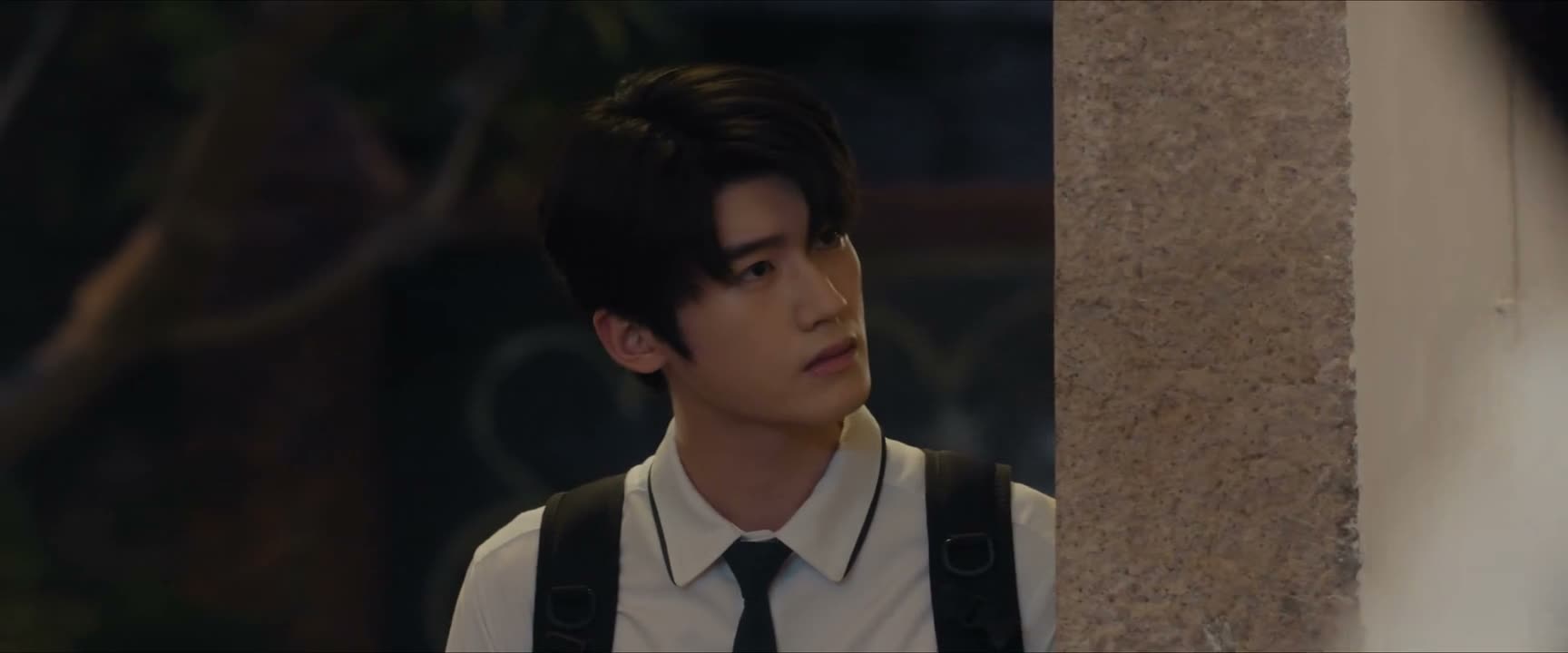
我哪知道你近视了
“Well, sorry. I didn't know you're nearsighted.”
THE DIALOGUE REEL
那不好意思啊
“Well, sorry. I didn't know you're nearsighted.”
我哪知道 你近视了
“Well, sorry. I didn't know you're nearsighted.”
“In that case, go get yourself glasses.”
“Don't blame me, you never told me you couldn't see properly!”
Chinese speakers often rely on rhetorical questions starting with '我哪...' to fend off blame without directly attacking the other person.
LEARNING CHUNKS & PARTICLES
How was I supposed to know?; How could I have known?
A rhetorical phrase widely used in spoken Chinese to reject blame or ignorance accusations.
nearsighted; myopic
Common medical/daily life adjective and noun for poor distance vision.
Marks a change of state, indicating the person has become nearsighted.
VOCABULARY & EXPRESSIONS
Parallel Spoken Cinema Scenes (语义近邻切片)

“That really would be shortsighted. Life is long.”

“So short-sighted. She doesn’t understand”

“You haven't put your glasses on yet. Put them on and take a look.”
“You need glasses.”
“But my eyes can't see,”

“I think you should check your eyes.”