MC
MandarinClips Cinema Corpus
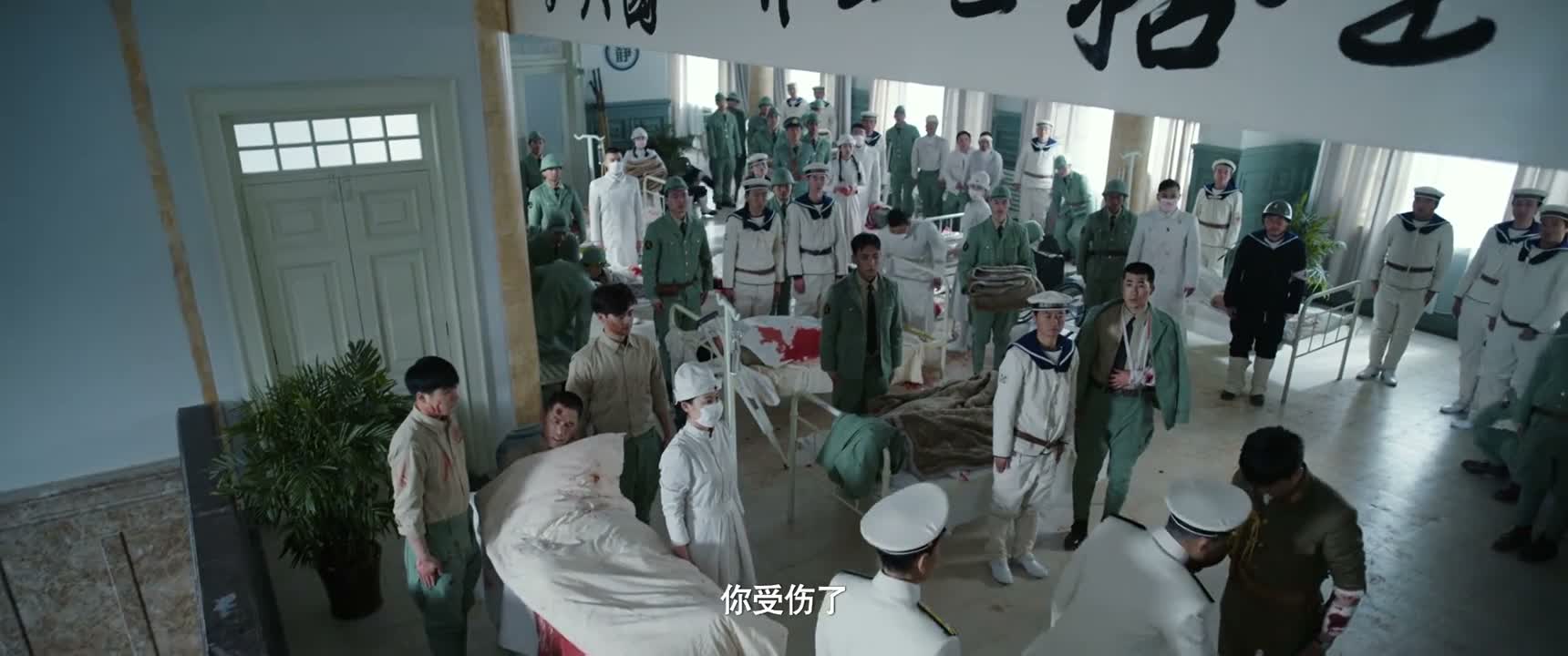
《The Tang Mist》 S1·E24 (14:18) HSK 5
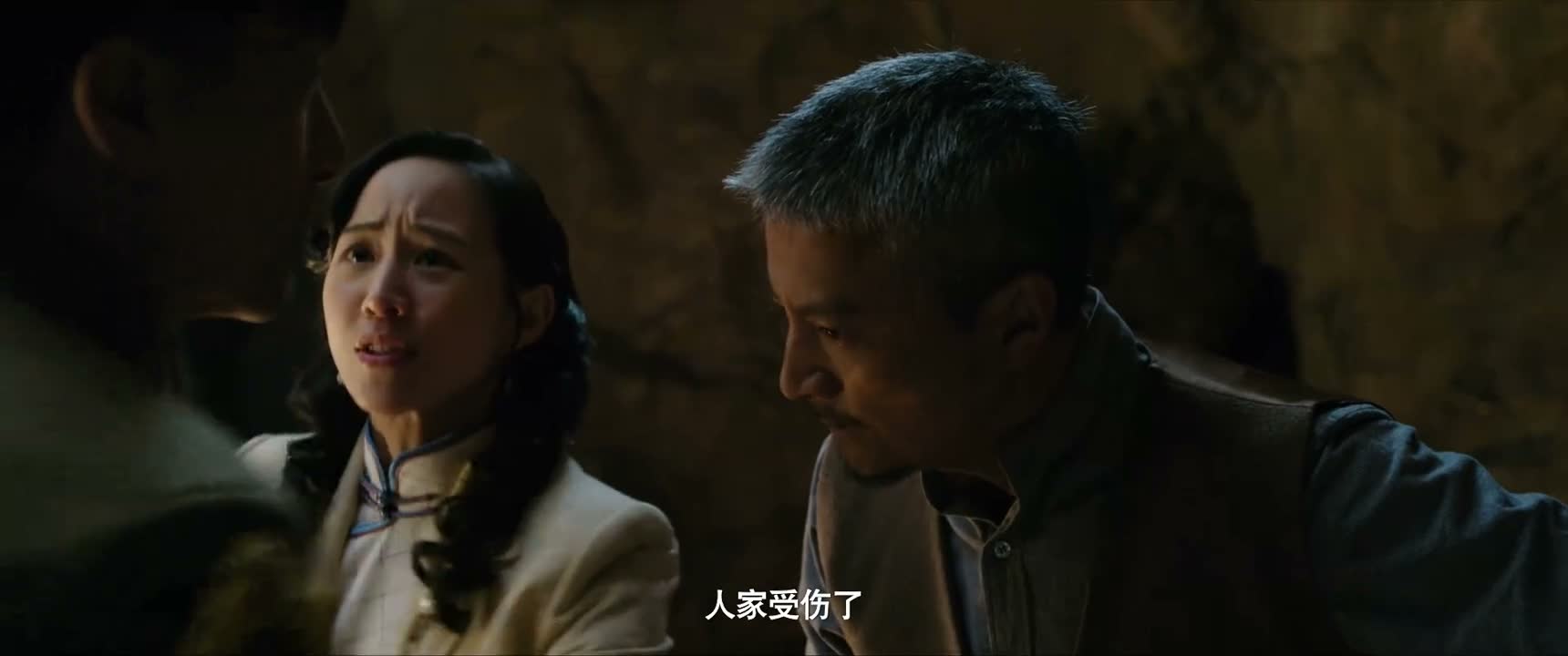
wèi jiù zhǔ shuài ér fù shāng

为救主帅而负伤

“and defended our cities. I was wounded saving my commander.”

《The Tang Mist》 S1·E24
TIMECODE: 14:18 · 1080P MASTER AUDIO

THE DIALOGUE REEL

1+1+1 SPOKEN CONTINUITY
[-1] PREVIOUS TURN shǒu hù chéng chí

守护城池

“and defended our cities.”

wèi jiù zhǔ shuài ér fù shāng CURRENT FOCUS

为救主帅而负伤

“and defended our cities. I was wounded saving my commander.”

[+1] FOLLOW-UP TURN méi yǒu róng yào jiā shēn

没有荣耀加身

“Returning without honor or glory,”

Subtitles synced to millisecond timecode Browse Show Clips →
Scene: Historical & Court
Function: STATING GRIEVANCE
Tone: AGGRIEVED
Emotion: INDIGNATION
WHAT THEY REALLY MEAN (PRAGMATIC SUBTEXT)
“I shed blood to save the commander, yet I am completely forgotten.”
💡 Cultural Insight: Military Sacrifice and Reward (Gonggao Wushang)

In traditional Chinese martial culture, risking one's life to protect a superior is the peak of loyalty, making any subsequent lack of official recognition a profound moral grievance.

INTENT TAGS: #grievance #recounting_sacrifice #complaint #seeking_recognition
🧩

LEARNING CHUNKS & PARTICLES

3 CHUNKS · 0 PARTICLES
为救 SPOKEN CHUNK

in order to save; in the act of rescuing

A concise classical pattern ('为' + verb) indicating purpose or circumstance, common in formal narrations.

主帅 SPOKEN CHUNK

commander-in-chief; head general

Used in historical or military contexts to refer to the supreme military leader on the field.

负伤 SPOKEN CHUNK

to sustain an injury; to be wounded

A formal, literary term for getting wounded, especially in battle or in the line of duty.
🏮

VOCABULARY & EXPRESSIONS

0 EXPR · 3 GRAMMAR
CROSS-CINEMA CORPUS BOARD · PARALLEL SCENES

Parallel Spoken Cinema Scenes (语义近邻切片)

EXPLORE BY SEMANTIC SIMILARITY
《The Tang Mist》 S1·E24 (14:18) · Authentic Cinema Dialogue Corpus