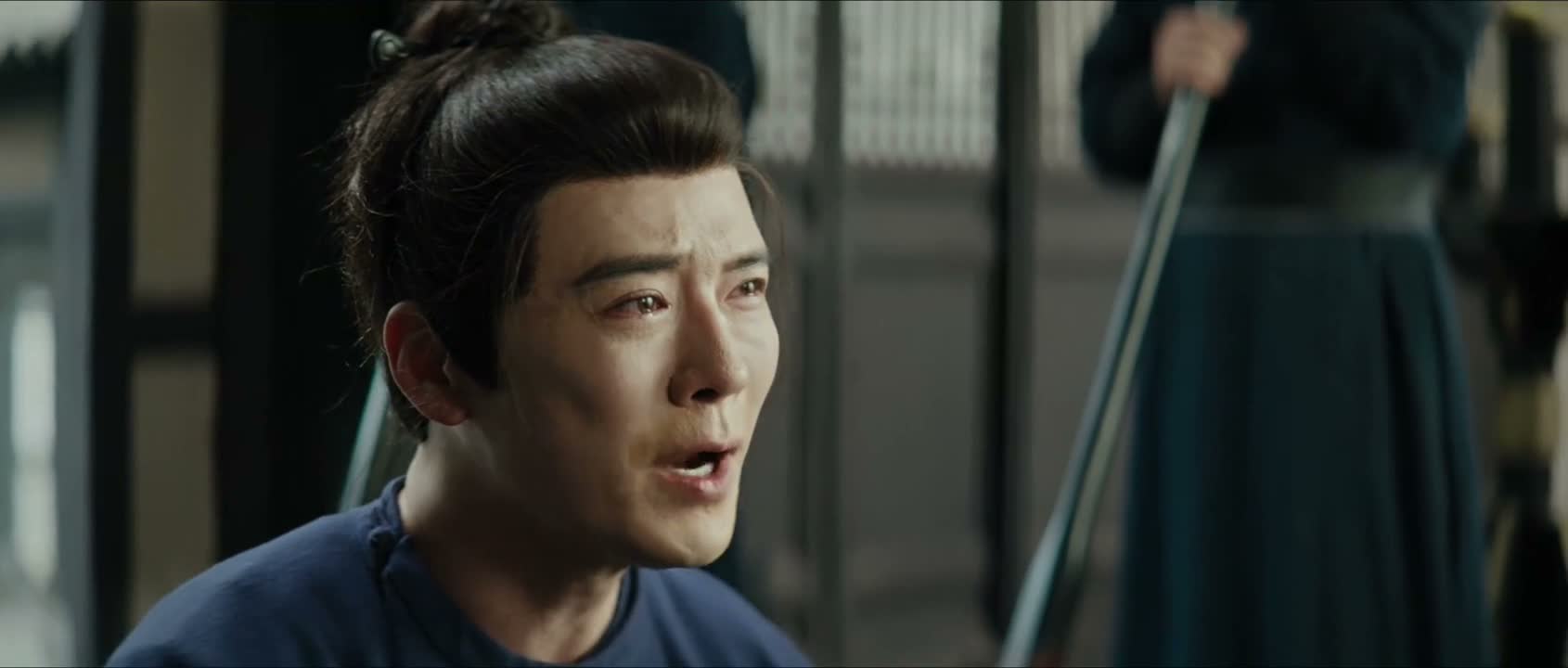
《River Sunset》 S1·E15 (18:00)
HSK 6
rén jiā shòu shāng le
人家受伤了
“He's injured.”
《River Sunset》
S1·E15
TIMECODE: 18:00
·
1080P MASTER AUDIO
THE DIALOGUE REEL
[-1] PREVIOUS TURN
nǐ nà me zhe jí chū qù sǐ shì ma
“Are you in such a hurry to go out and die?”
rén jiā shòu shāng le
CURRENT FOCUS
人家受伤了
“He's injured.”
[+1] FOLLOW-UP TURN
nǐ bié ràng tā zhè me jī dòng xíng ma
你别让他这么激动行吗
“Can you not get him so worked up?”
Subtitles synced to millisecond timecode
Browse Show Clips →
Scene:
Crisis & Conflict
Function:
DEFENDING SOMEONE
Tone:
DEFENSIVE
Emotion:
FRUSTRATION
WHAT THEY REALLY MEAN (PRAGMATIC SUBTEXT)
“Cut him some slack, he's hurt and doesn't need your screaming right now.”
💡 Cultural Insight: Third-person Empathy Framing (用'人家'拉近同情)
Using '人家' (rénjia) to refer to a third party creates a sense of vulnerability, gently pressuring the harsh speaker to tone down their aggression out of basic compassion.
INTENT TAGS:
#defending
#demanding empathy
#de-escalation
#reminding
🧩
2 CHUNKS · 1 PARTICLES
LEARNING CHUNKS & PARTICLES
人家
SPOKEN CHUNK
he/she (referring to a third party to evoke sympathy)
Often used colloquially to evoke empathy or emphasize the vulnerability of the person being discussed.
受伤了
SPOKEN CHUNK
is injured / got hurt
Standard phrase indicating physical injury; here stated as a mitigating circumstance.
Modal Particle「了」 (le)
CHANGE OF STATE
Indicates a new state of being injured that serves as a reason to alter behavior.
🏮
2 EXPR · 3 GRAMMAR
VOCABULARY & EXPRESSIONS
COLLOQUIAL EXPRESSIONS:
CROSS-CINEMA CORPUS BOARD · PARALLEL SCENES
EXPLORE BY SEMANTIC SIMILARITY
Parallel Spoken Cinema Scenes (语义近邻切片)
《River Sunset》 S1·E15 (18:00) · Authentic Cinema Dialogue Corpus