受伤了
shòu shāng leCommon spoken expression used by native Chinese speakers in daily life.
[Scene: 社交聚会]
(7 clips) 00:02
 00:03
(在华清大学) ── Previous context
“When he told me, I thought his brain was damaged. I didn't expect”
 00:03
(我难道不应该阻止吗 该 但没让你拿手去挡) ── Previous context
“You saw she was about to get hurt and you panicked.”
 00:03
(这不声不响的 都开始英雄救美了) ── Previous context
“(You saw she was about to get hurt) (and you panicked.)”
 00:03
(你怎么来了) ── Previous context
“I heard you hurt your hand. I came to check on you. Are you okay?”
 00:03
(也是 你这不叫使唤 你那叫卖惨) ── Previous context
“Playing the victim is one thing. Your hand was injured and that was my fault,”
 00:03
(你这人怎么这样) ── Previous context
“Your boyfriend is injured, and which girlfriend would be so rough?”
[Scene: 其他场景]
(6 clips) 00:03
(建筑工地一旦出事 都是人命关天) ── Previous context
“Although your father was injured, he actually lucked out given the situation.”
 00:02
 00:03
(往这边走) ── Previous context
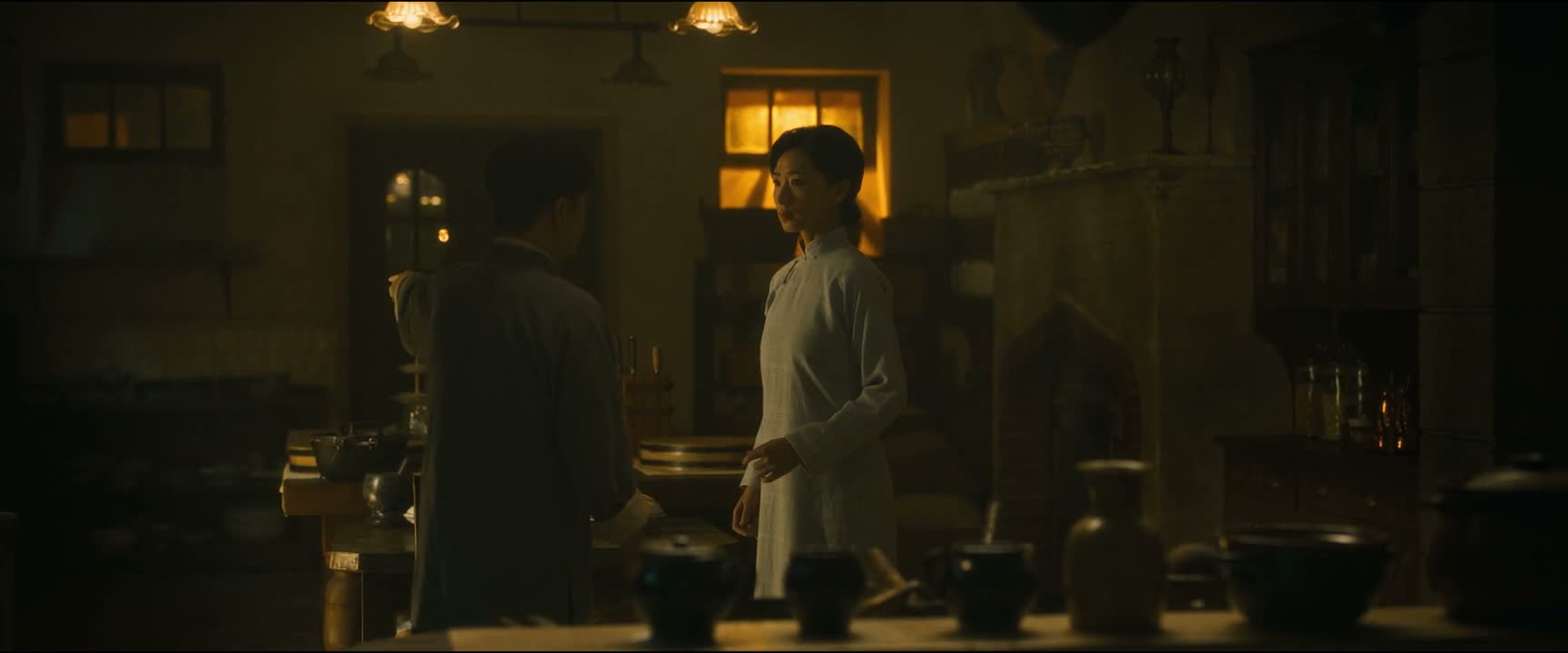
“Your arm is hurt. We need to stop the bleeding immediately.”
 00:03
(他是什么样的人 你知道啊 上次在增寿楼 我在场) ── Previous context
“He was clearly not injured, but he came back injured.”
 00:02
 00:02
[Scene: 其他场景]
(5 clips) 00:03
(你好 我朋友伤到胳膊了 那诊室怎么走啊 先挂号) ── Previous context
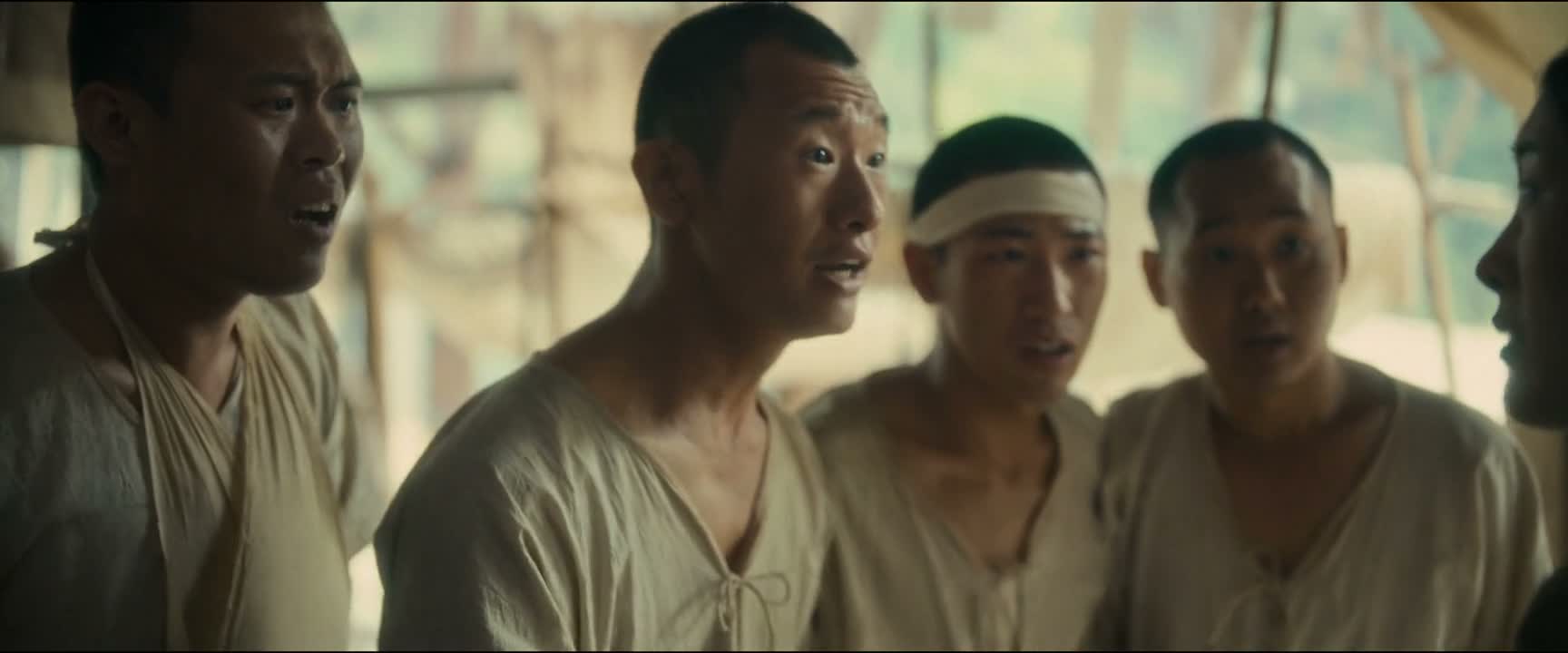
“Doctor. My friend injured his hand. I need to register. 10 yuan for registration.”
 00:02
(怎么了 怎么了 我们的鸡蛋呢 我的鸡蛋呢) ── Previous context
“My leg is injured too. Give me an egg too.”
 00:02
(现在没大碍了 别担心了啊) ── Previous context
“She must be extremely careful not to get injured again.”
 00:02
 00:02
[Scene: 其他场景]
(3 clips) 00:02
(这太阳也太灼热了) ── Previous context
“My skin is not great to begin with. It can't take any more damage.”
 00:03
(怎么样了) ── Previous context
“You're hurt. It's nothing. Just a small wound. This is really... Please sit. Go on, you sit.”
 00:02
[Scene: 家庭日常]
(2 clips) 00:02
 00:02
[Scene: 历史宫廷]
(2 clips) 00:03
 00:03
[Scene: 警匪刑侦]
(1 clips)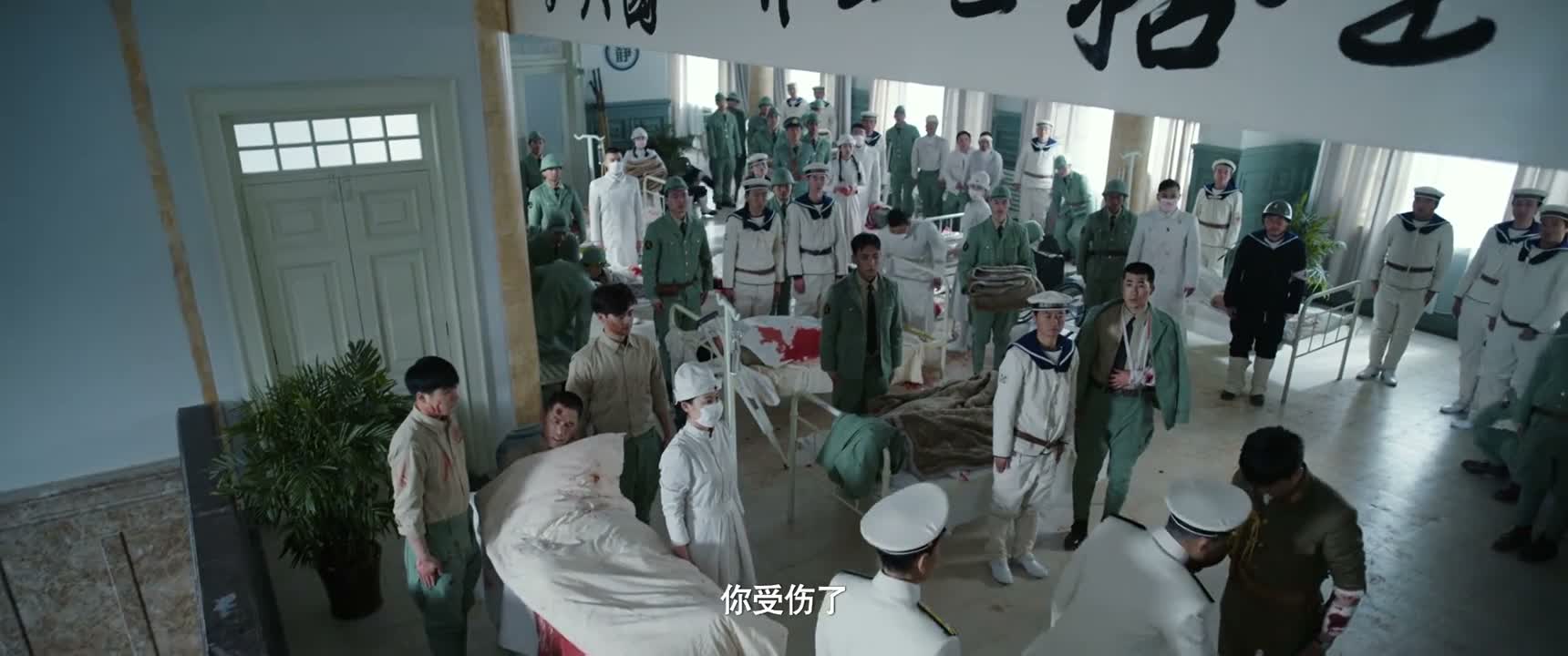 00:02
[Scene: 其他场景]
(1 clips) 00:03
(好孩子) ── Previous context
“Xia, why is your hand in a cast? Did you get injured?”
[Scene: 职场工作]
(1 clips) 00:02
📌 没事
→Nuance: 关切并安抚伤情,表达更口语化
📌 没事
→Nuance: 指出受伤并表示无大碍
📌 走走走
→Nuance: 同向近义词根配对: [注意 ↔ 小心]
📌 小心
→Nuance: 同向近义词根配对: [注意 ↔ 小心]
📌 不许
→Nuance: 同向近义词根配对: [不能 ↔ 不许]
📌 不知道
→Nuance: 同为叮嘱注意伤情,角度不同
📌 是不是
→Nuance: 文本完全相同,意图一致
📌 差点被
→Nuance: 皆表行动导致队员险遭重创
📌 没事儿
→Nuance: 关切并安抚伤情,表达更口语化