他明明没有受伤 他回来之后就受伤了
“He was clearly not injured, but he came back injured.”
THE DIALOGUE REEL
他是什么样的人 你知道啊 上次在增寿楼 我在场
“You know what kind of person he is? Last time at Zengshou Restaurant, I was there.”
他 明明 没有 受伤 他 回来之后 就 受伤了
“He was clearly not injured, but he came back injured.”
“Who knows if he's really injured or faking it?”
“Don't fall for his act—he is faking this or covering up something shady!”
In Chinese intrigue and historical narratives, feigning injury or self-harm is a classic stratagem used to win sympathy or avoid suspicion.
LEARNING CHUNKS & PARTICLES
clearly; obviously
Used before a verb to emphasize an undeniable fact that contrasts sharply with what someone else claims or thinks.
after; afterwards
A temporal marker placed after an action or clause to indicate sequence in time.
Marks a change of state, indicating the sudden appearance or reporting of the injury.
VOCABULARY & EXPRESSIONS
Parallel Spoken Cinema Scenes (语义近邻切片)

“But the day you got hurt, he was hurt pretty badly too.”

“You're hurt? It's nothing.”

“You're not hurt at all? Why are you here?”

“He's injured.”
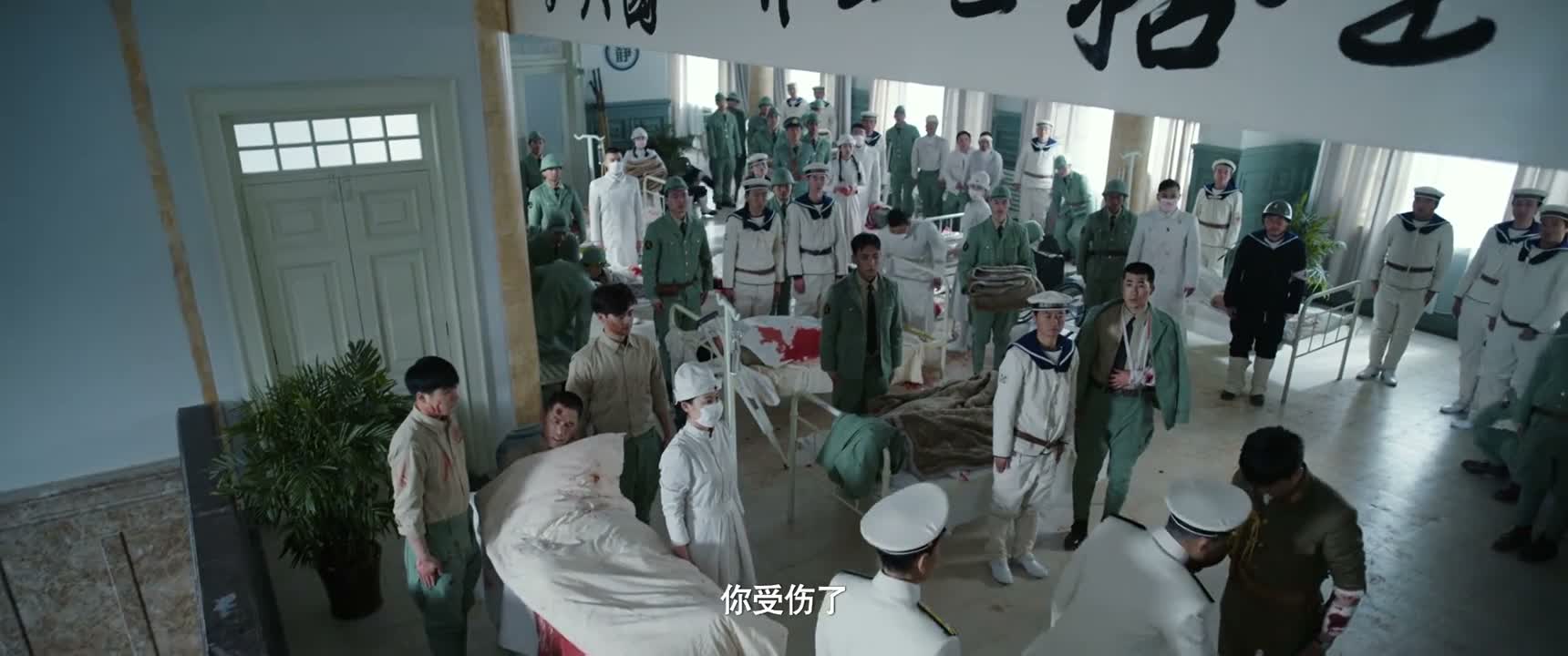
“You're injured”

“I'm fine. I thought he was only pretending.”