受伤
shòu shāngCommon spoken expression used by native Chinese speakers in daily life.
[Scene: 其他场景]
(11 clips)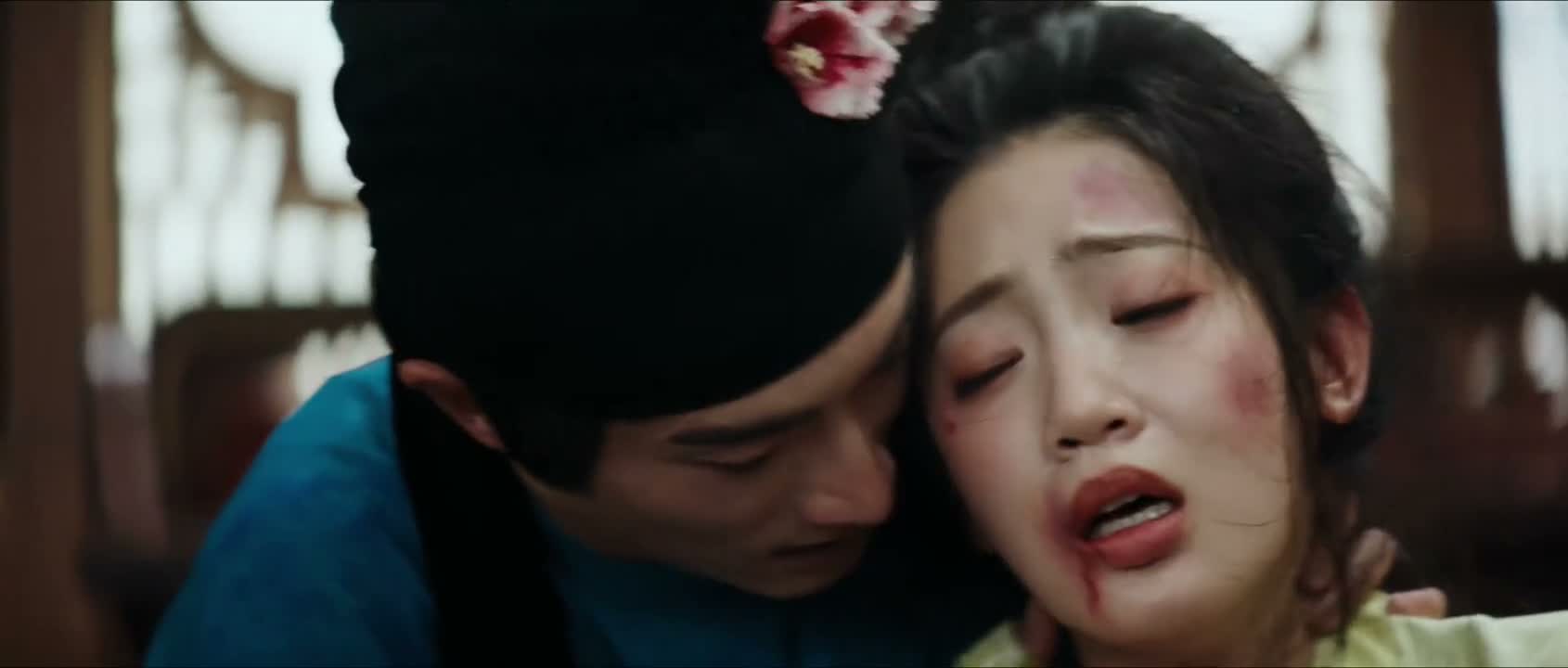 00:03
 00:02
 00:03
(建筑工地一旦出事 都是人命关天) ── Previous context
“Although your father was injured, he actually lucked out given the situation.”
 00:02
(你看我这头上的伤 不比他严重多了吗) ── Previous context
“Yes, look at my arm. Brother, I'm hurt too. Look.”
 00:02
 00:03
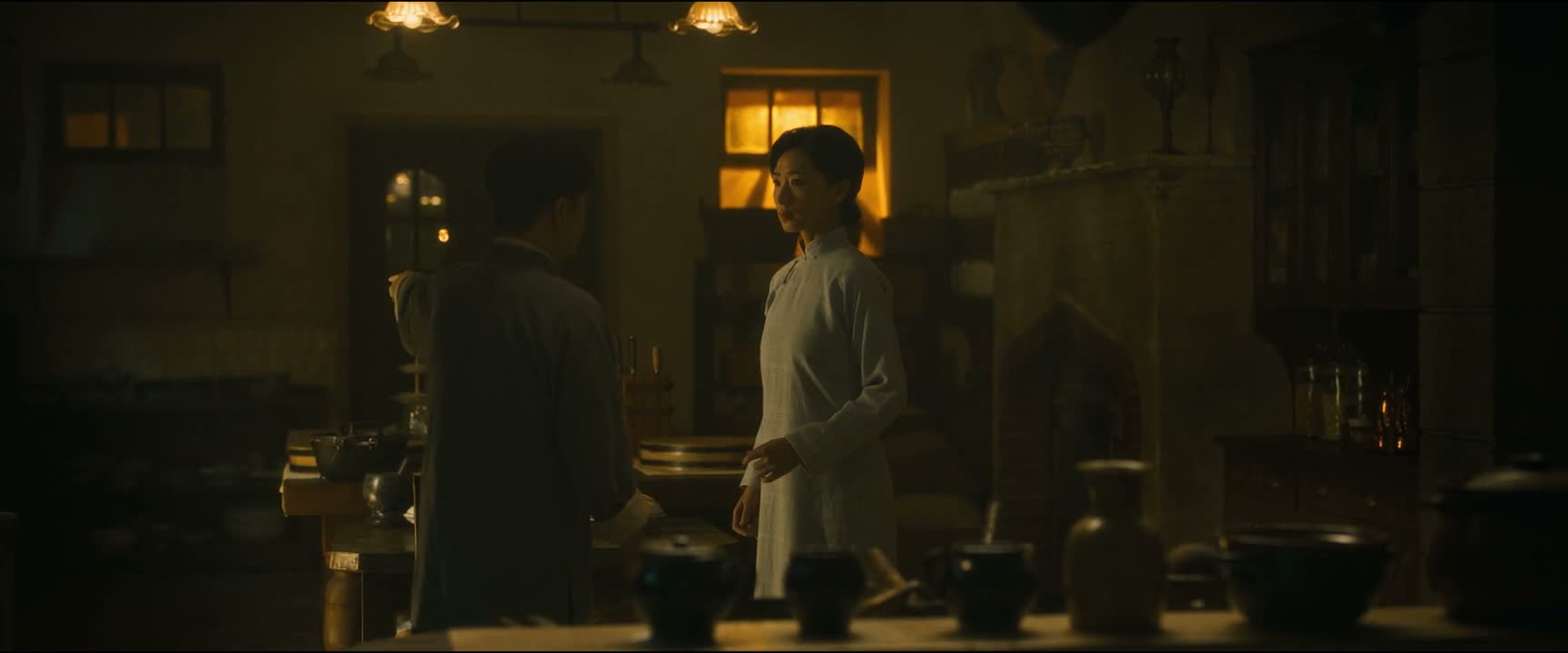
(他明明没有受伤 他回来之后就受伤了) ── Previous context
“Who knows if he's really injured or faking it?”
 00:03
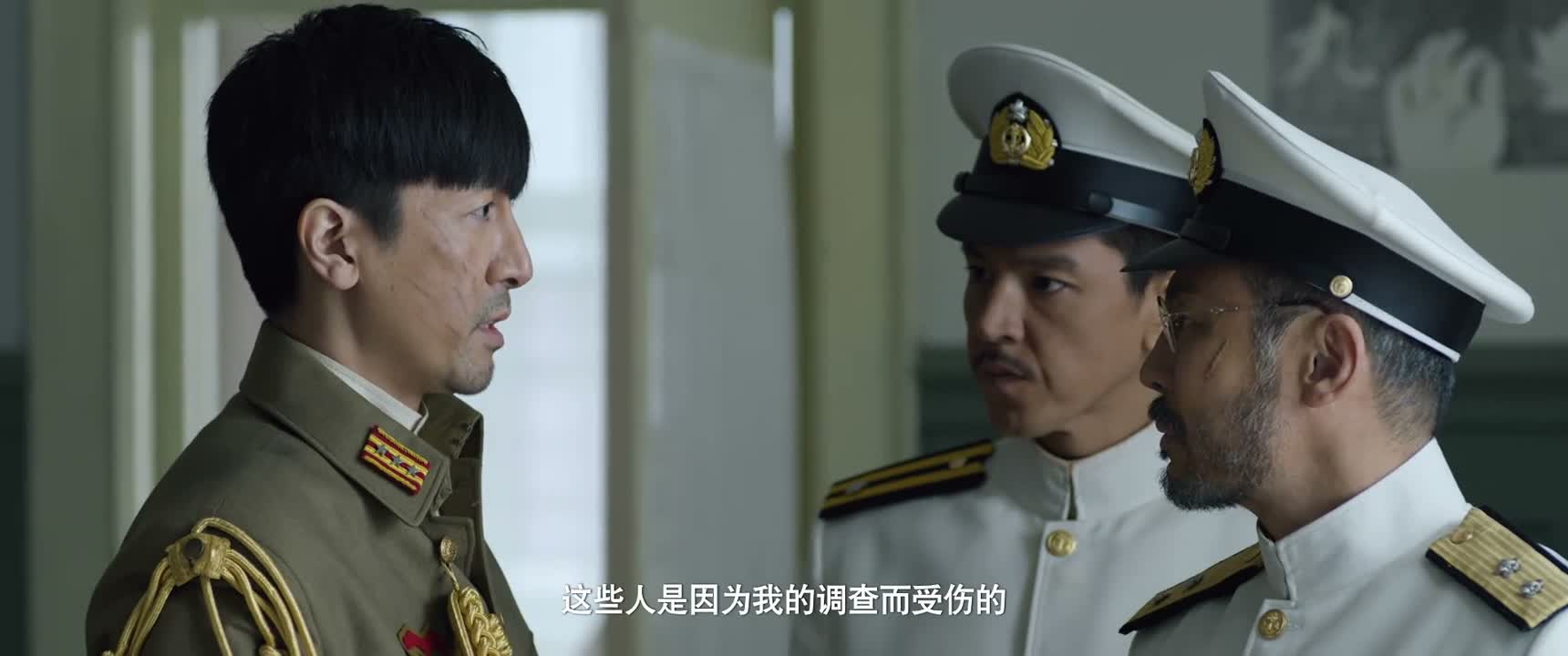
(他是什么样的人 你知道啊 上次在增寿楼 我在场) ── Previous context
“He was clearly not injured, but he came back injured.”
 00:02
 00:03
 00:02
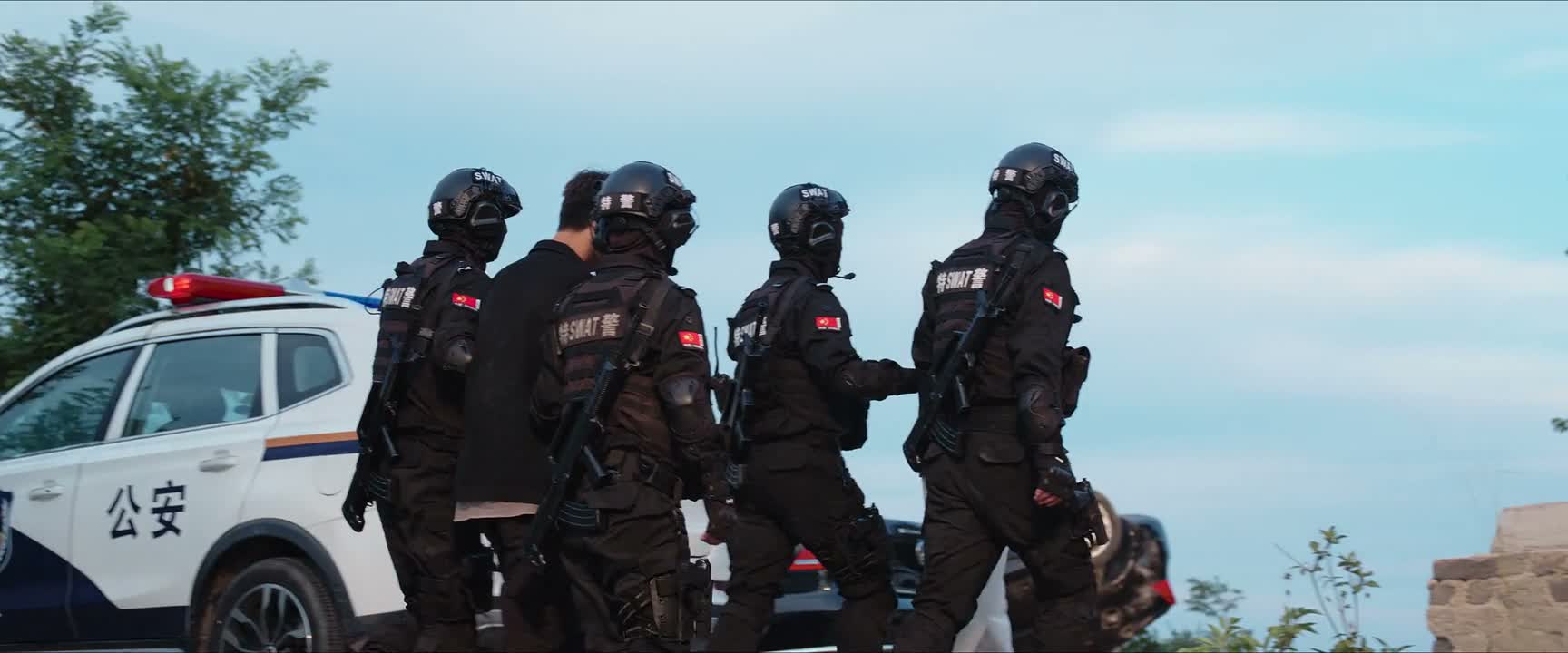
(七叔已经落网 现场被控制了) ── Previous context
“But there are people injured. We need medical support.”
 00:02
[Scene: 社交聚会]
(8 clips) 00:02
 00:03
 00:03
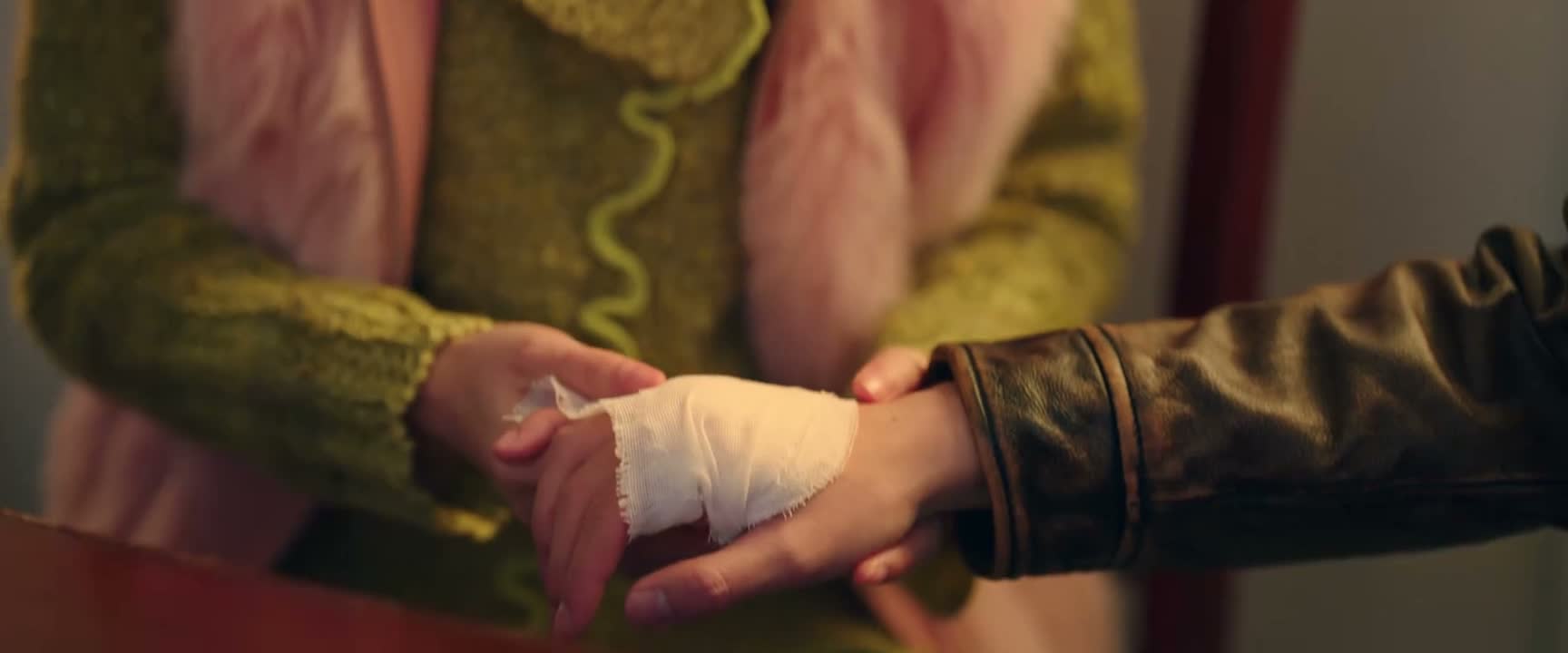
(你怎么来了) ── Previous context
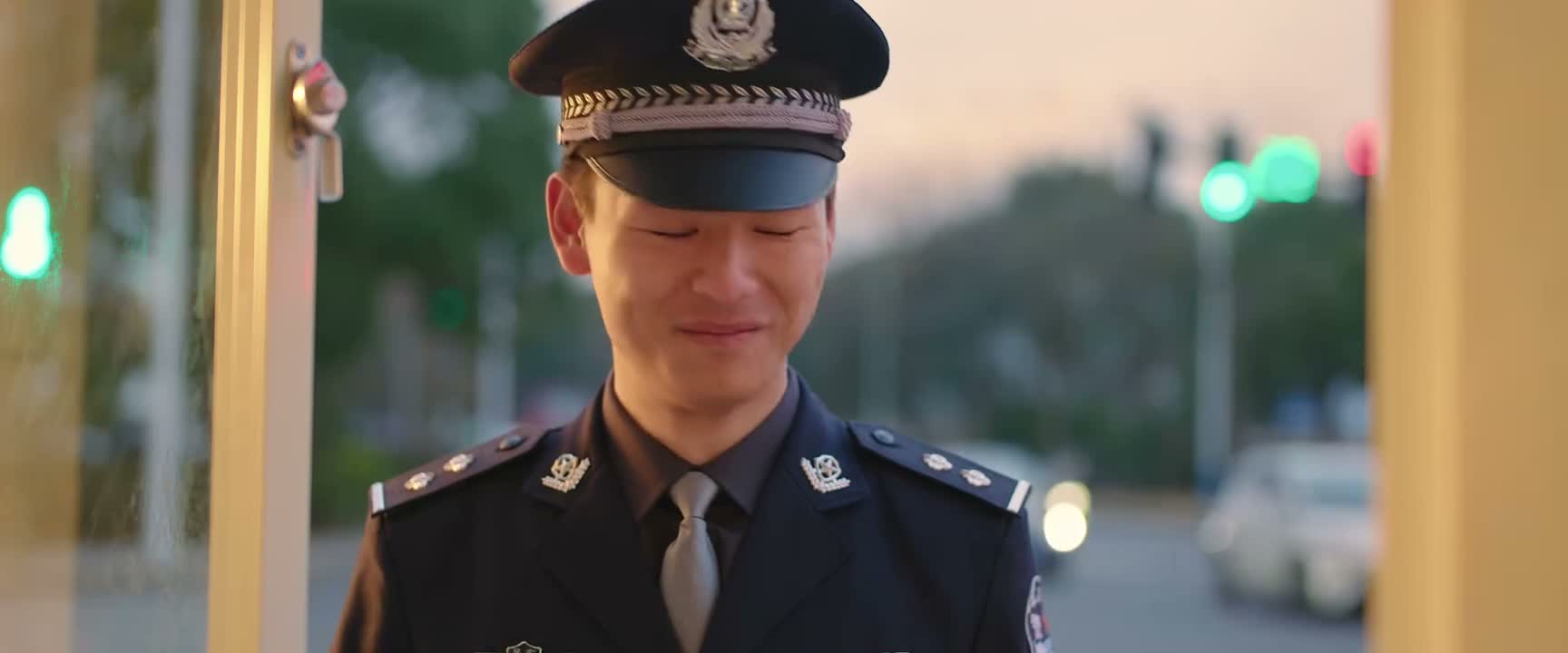
“I heard you hurt your hand. I came to check on you. Are you okay?”
 00:03
 00:02
 00:02
 00:03
(也是 你这不叫使唤 你那叫卖惨) ── Previous context
“Playing the victim is one thing. Your hand was injured and that was my fault,”
 00:02
[Scene: 职场工作]
(4 clips) 00:03
(王主任的事在省厅都传遍了) ── Previous context
“How is he doing? I heard he suffered a head injury.”
 00:02
 00:02
(我每天接送你上下班 通勤时间都翻倍了) ── Previous context
“You know very well how my hand got injured.”
 00:03
[Scene: 其他场景]
(3 clips)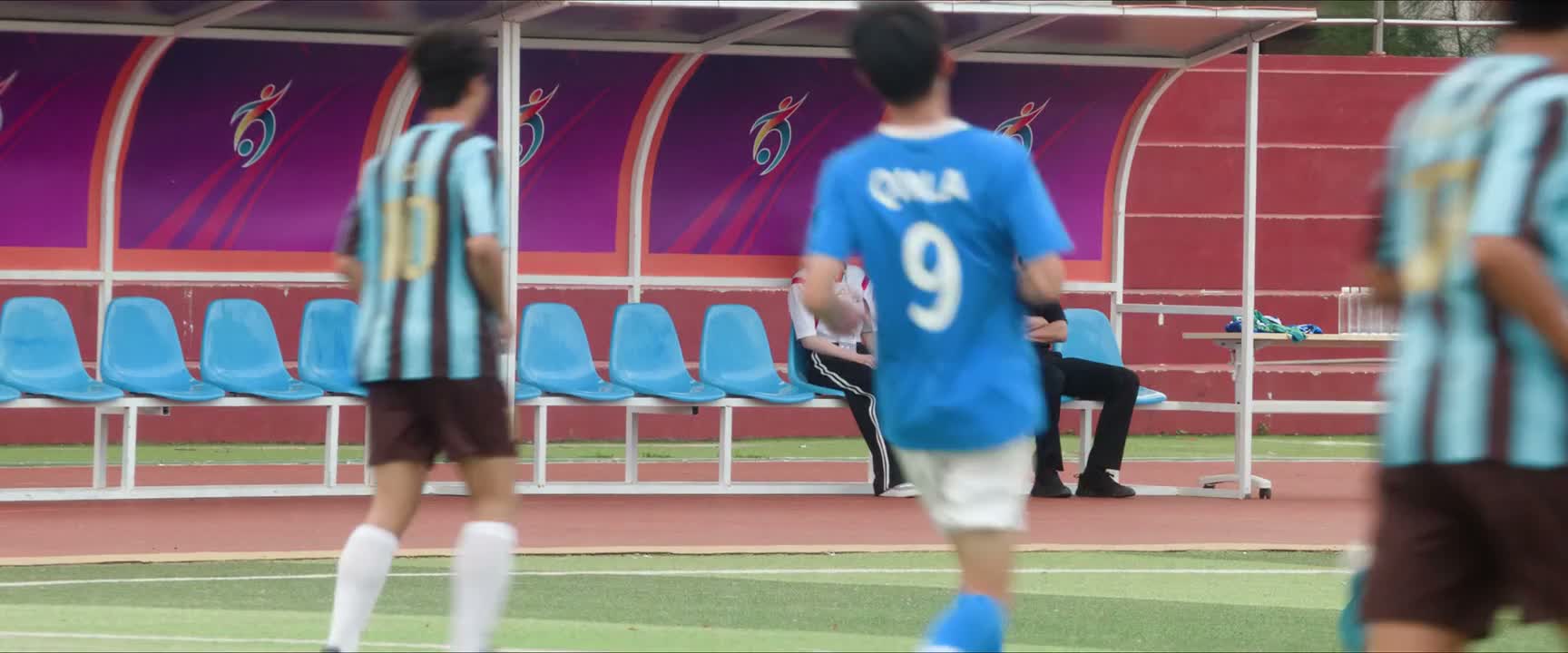 00:02
(老大 我真跑不动了 我再跑感觉就猝死了) ── Previous context
“Slow down. Don't get hurt. Take it easy. Alright.”
 00:03
(我能帮你画图 加班加点都不成问题) ── Previous context
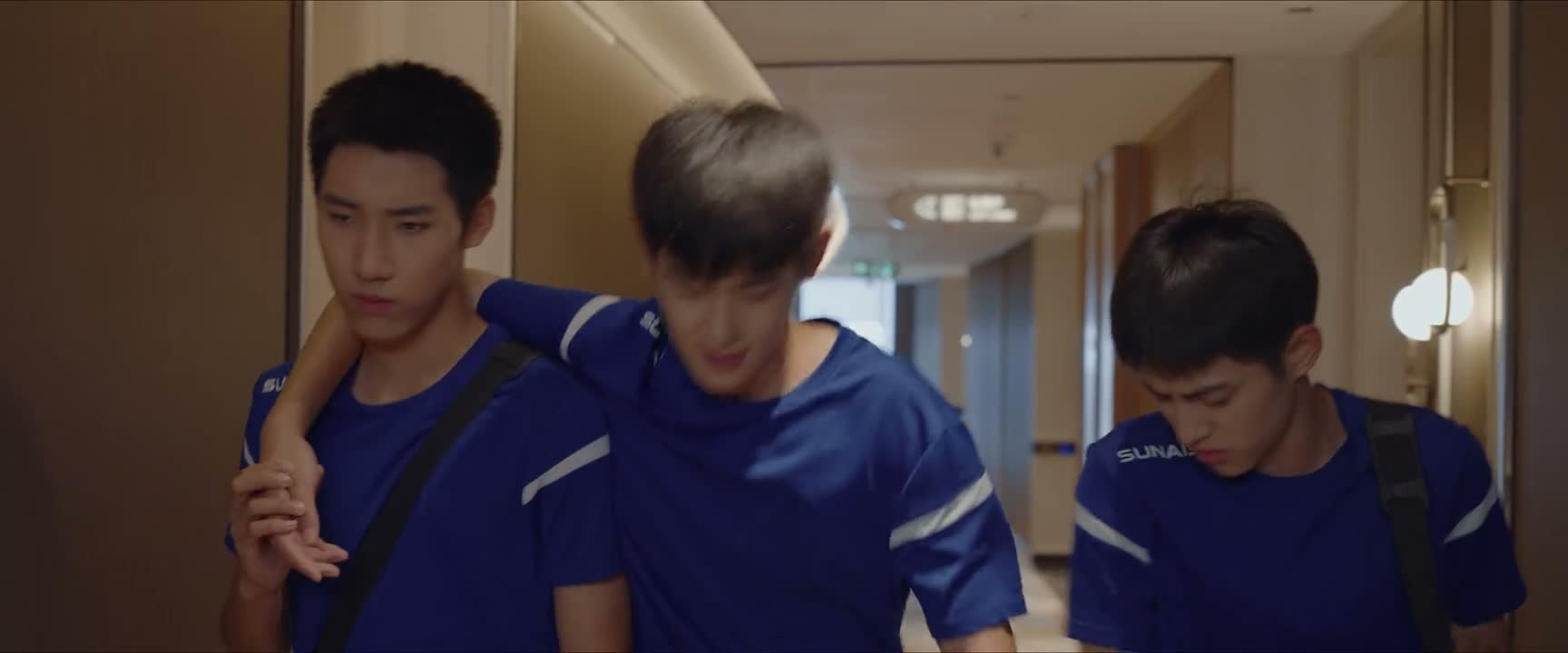
“While you're injured, I'll take care of all the housework. In short,”
 00:03
(行 不是 主要马上 这比赛啥的) ── Previous context
“Be a little more careful. Even injured, I can still beat them.”
[Scene: 其他场景]
(3 clips) 00:03
(你好 我朋友伤到胳膊了 那诊室怎么走啊 先挂号) ── Previous context
“Doctor. My friend injured his hand. I need to register. 10 yuan for registration.”
 00:02
(怎么了 怎么了 我们的鸡蛋呢 我的鸡蛋呢) ── Previous context
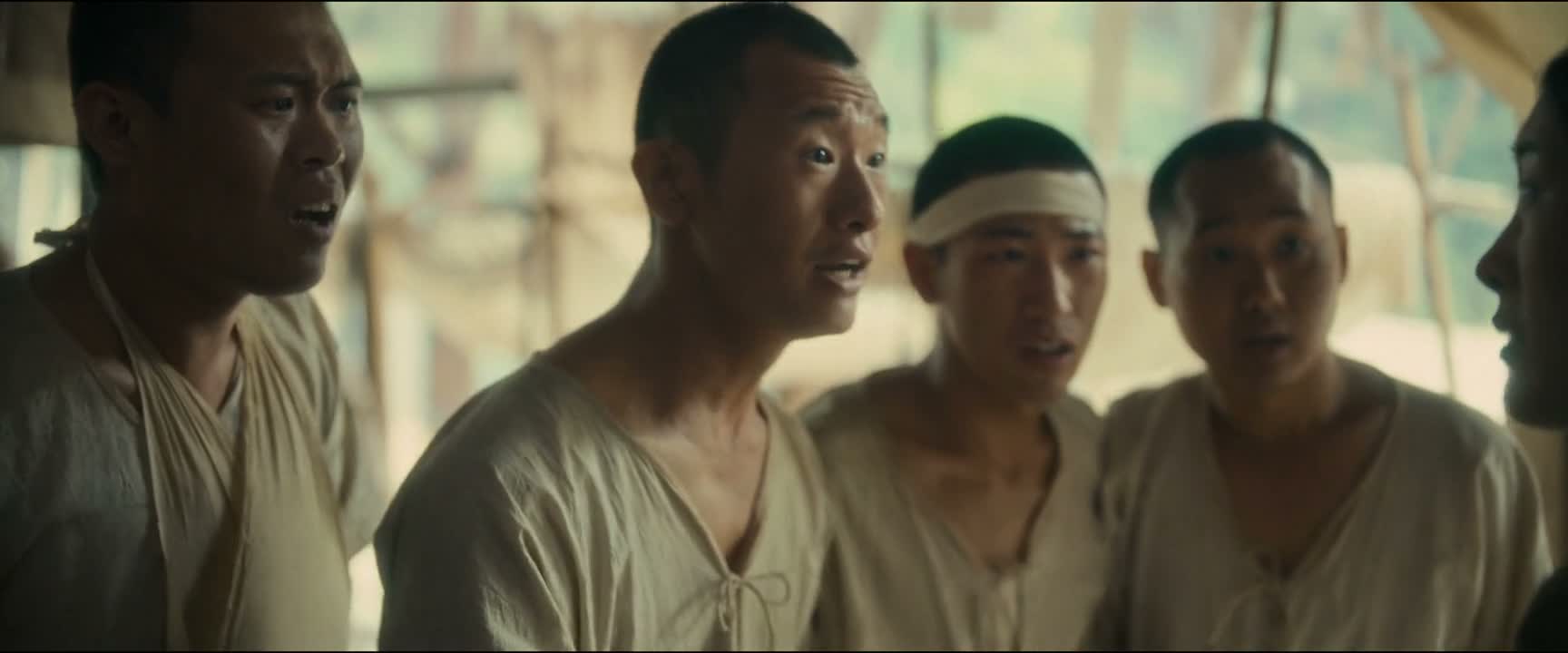
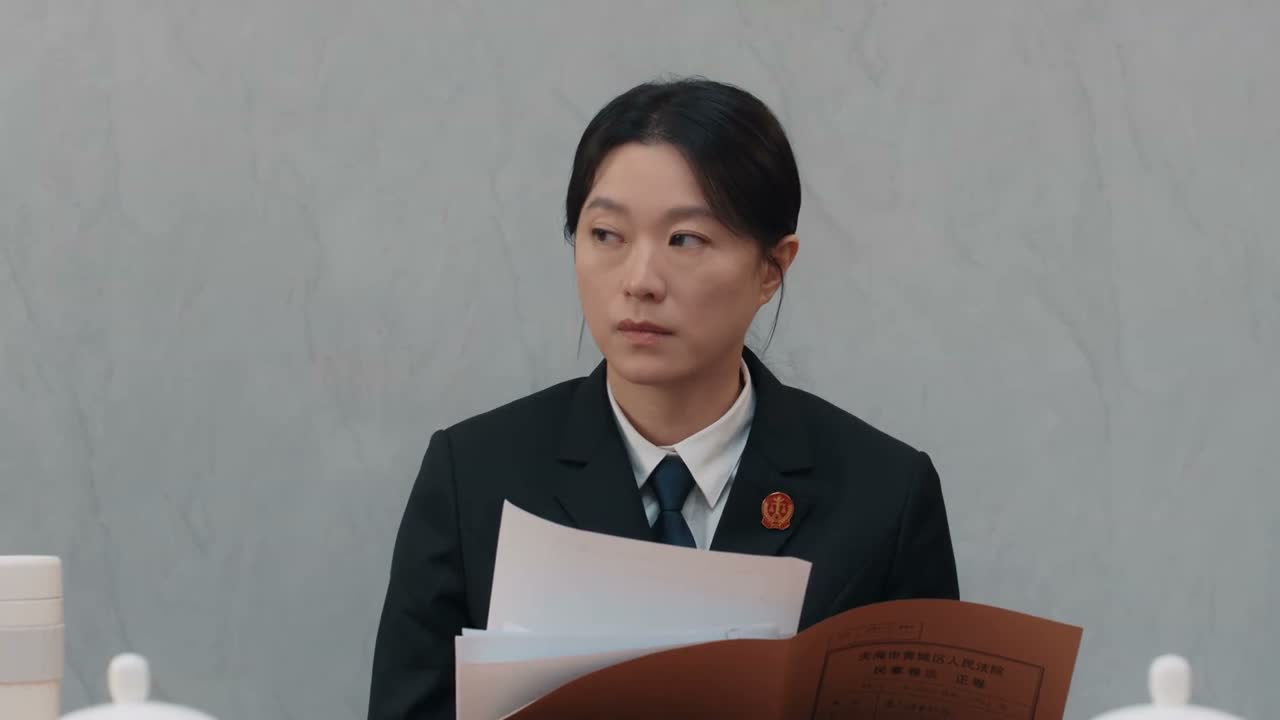
“My leg is injured too. Give me an egg too.”
 00:02
[Scene: 历史宫廷]
(2 clips) 00:02
 00:03
(你去哪) ── Previous context
“The court rewards wounded generals and soldiers according to merit.”
[Scene: 家庭日常]
(1 clips) 00:02
[Scene: 警匪刑侦]
(1 clips)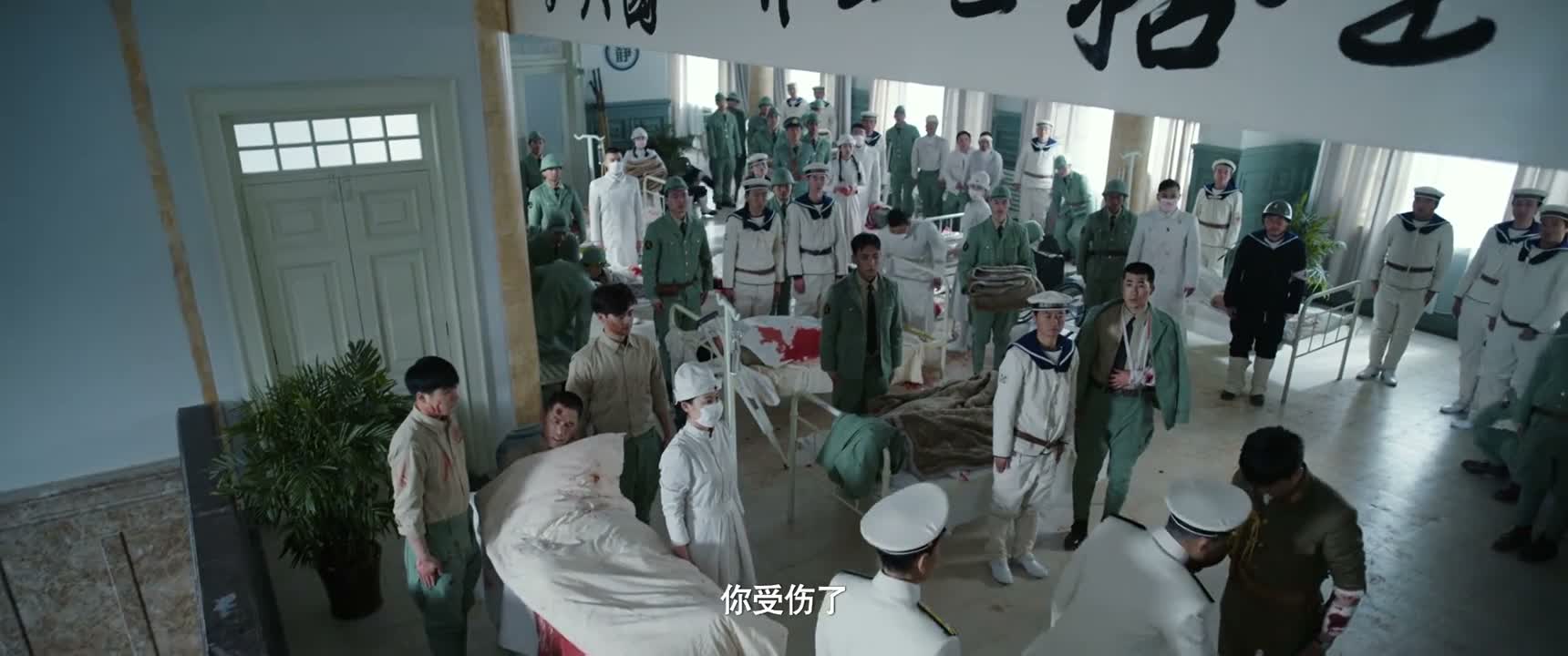 00:02
📌 没事
→Nuance: 安抚口吻提醒慢行注意安全
📌 怎么办
→Nuance: 同向近义词根配对: [我们 ↔ 咱们]
📌 不知道
→Nuance: 同为询问是否受伤
📌 怎么回事
→Nuance: 询问手伤原因意图完全一致
📌 千万不要
→Nuance: 后半句警示受伤流血意图一致
📌 慢点
→Nuance: 安抚口吻提醒慢行注意安全
📌 慢点
→Nuance: 核心意图皆为叮嘱慢行注意安全
📌 千万别
→Nuance: 同为叮嘱小心受伤,口语更常用
📌 不答应
→Nuance: 同向近义词根配对: [不能 ↔ 不许]