你看我都蹉跎成啥了
“Look at how much time I've wasted.”
THE DIALOGUE REEL
你给我的题词叫 翩翩才子莫蹉跎
“The inscription you gave me, "A talented man must not waste his time."”
你看 我都 蹉跎成啥了
“Look at how much time I've wasted.”
来来来 别哭 别哭
“Come on. Don't cry.”
“I have failed you and ruined my own life.”
The phrase 'do not squander your prime' is a traditional scholar's motto; admitting one has wasted time conveys tragic personal failure.
LEARNING CHUNKS & PARTICLES
waste time / let years slip away unproductively
A literary term common in spoken Chinese when lamenting wasted youth or squandered potential.
turned into what state / become a total mess
A colloquial northern expression showing extreme dissatisfaction or self-mockery regarding one's state.
Marks the change of state to emphasize how far the speaker has fallen.
VOCABULARY & EXPRESSIONS
Parallel Spoken Cinema Scenes (语义近邻切片)

“what I've missed all these years.”
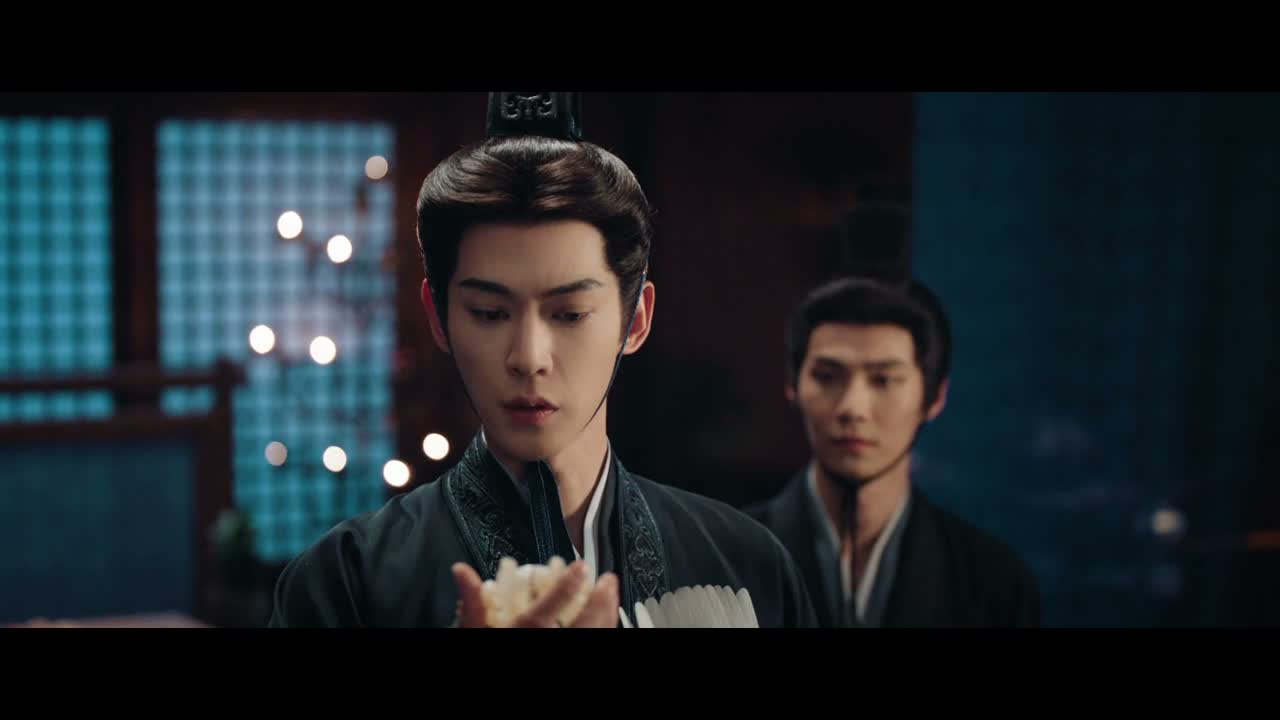
“How foolish of me.”
“[sighing] And I thought my life was fucked up.”

“I know I seem like an incompetent ruler who neglects state affairs.”
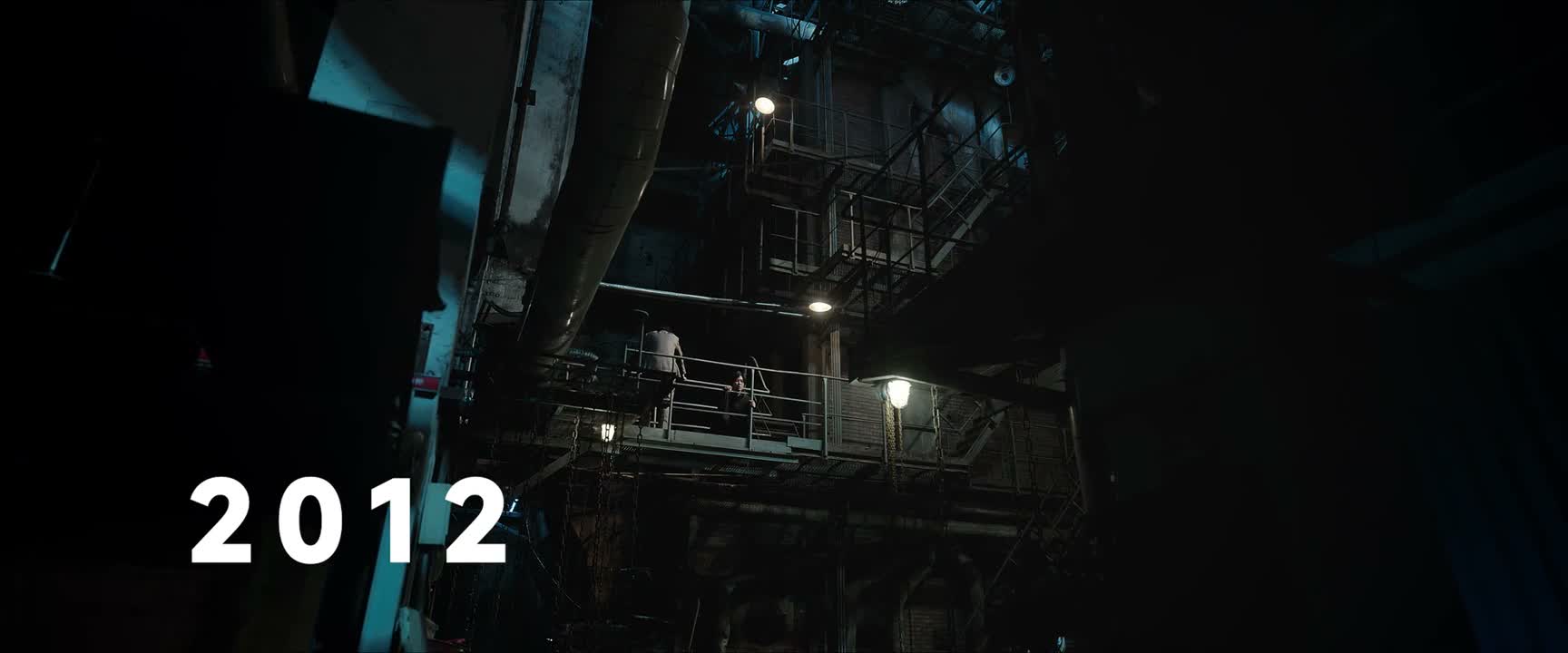
“[2012] I think I'm screwed.”

“I-I... I really wasn't thinking straight.”