秦老师 刚才那个唱得咋样
“Mr. Qin, how was that one?”
THE DIALOGUE REEL
拿出你的实力啊 给秦老师好好唱 老爹爹莫要
“Show your real skills to Mr. Qin. ♪Old father, don't♪”
秦老师 刚才 那个 唱得咋样
“Mr. Qin, how was that one?”
不比忆秦娥差吧
“Not worse than Yi Qin'e, right?”
“Admit it, she sang really well, didn't she?”
Addressing experienced professionals or veterans in cultural and artistic industries as 'Laoshi' conveys respect and defers to their authoritative expertise regardless of formal school affiliations.
LEARNING CHUNKS & PARTICLES
how about it / how was it
A colloquial northern Chinese variant of '怎么样', commonly used in informal conversations to ask for an opinion or status update.
how well did (someone) sing
Follows the standard verb + 得 + manner structure to evaluate singing ability or execution.
VOCABULARY & EXPRESSIONS
Parallel Spoken Cinema Scenes (语义近邻切片)
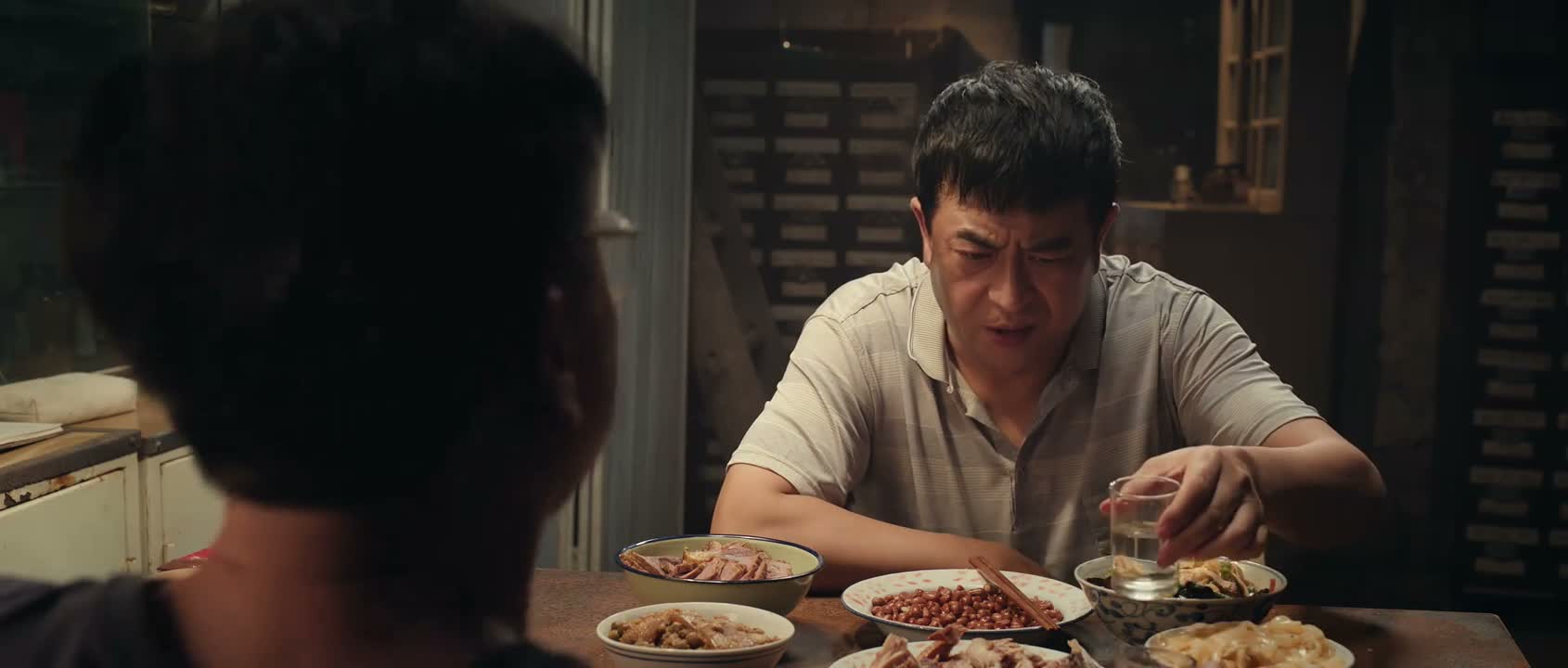
“You're right.”

“What's that new script Mr. Qin wrote? Can you tell me about it?”

“Mr. Qin, don't let that acceptance speech go in vain.”
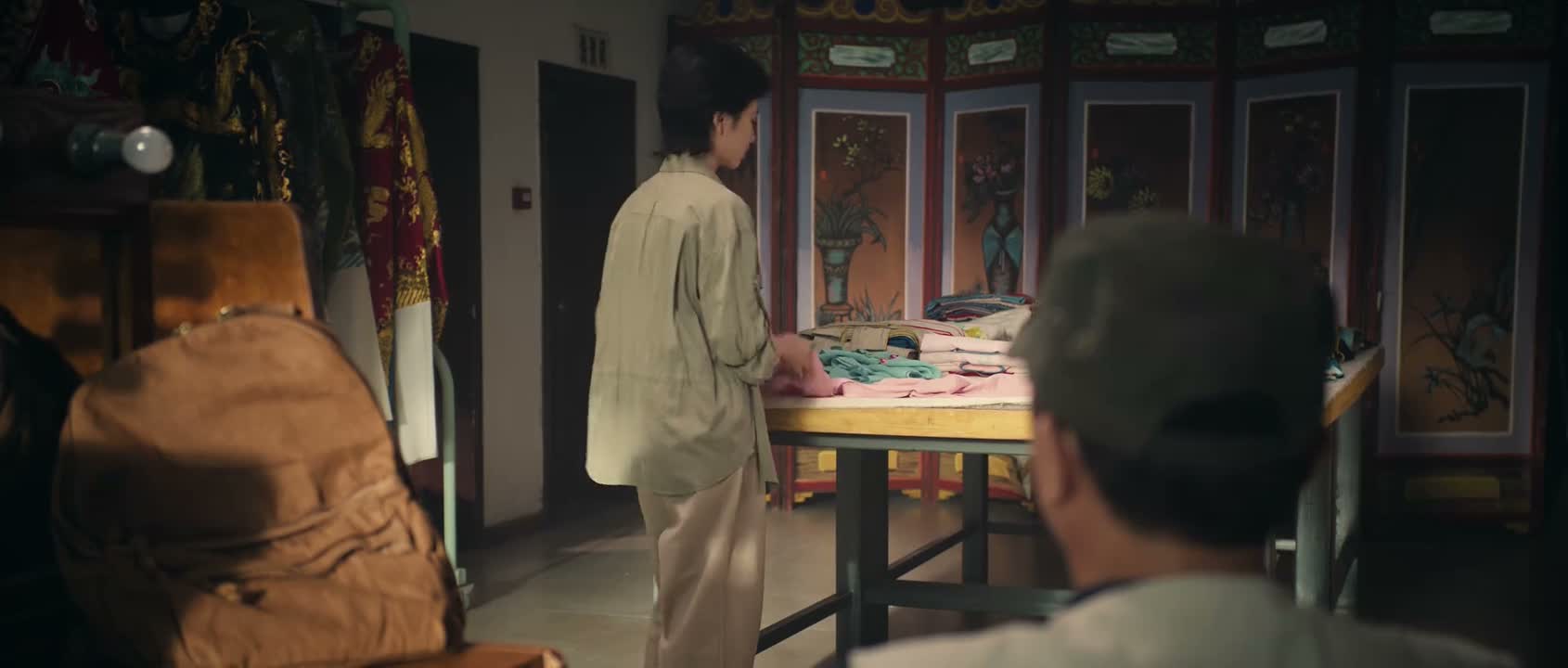
“Mr. Qin, how did you become my uncle?”

“Mr. Qin is upset. I'll have a drink with him. Keep an eye on the stall.”

“My dearest Mr. Qin, you can't do that... Shh.”