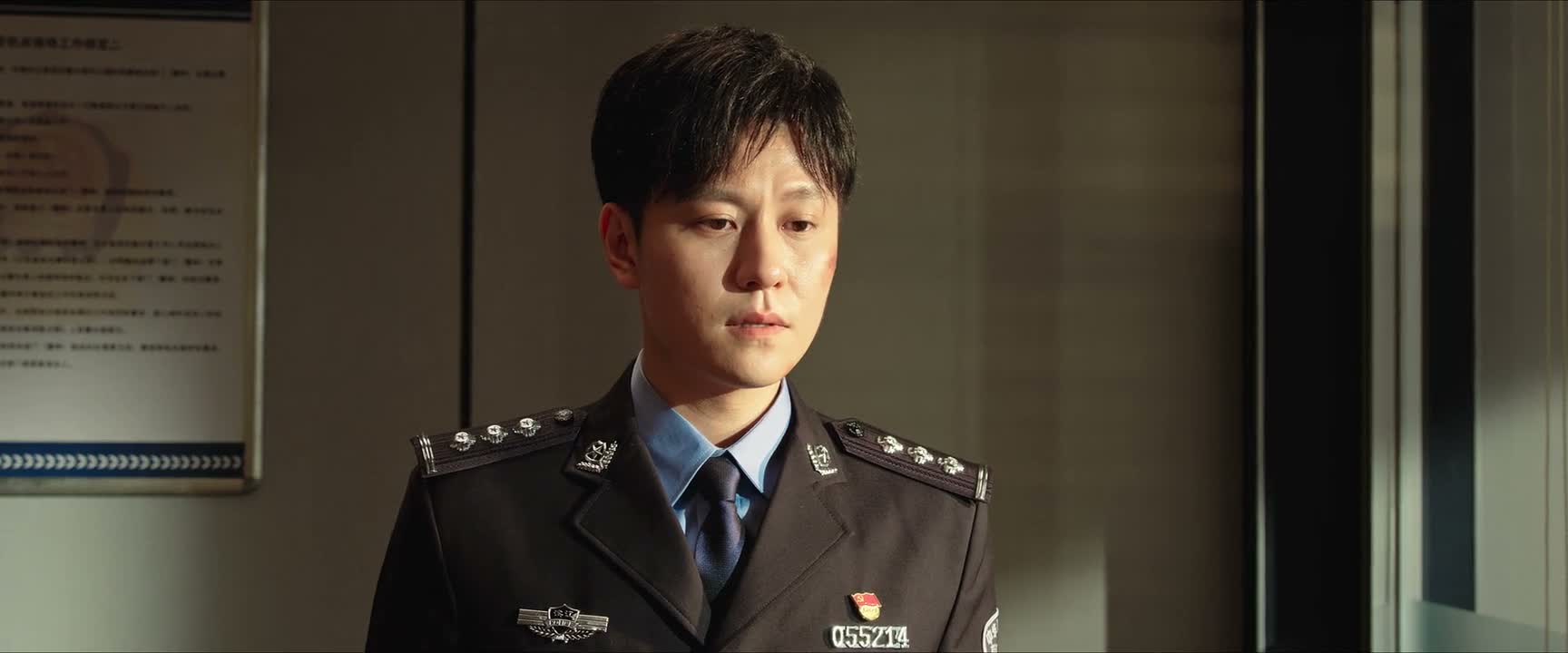
你们怎么来了 都让你别说了
“Why are you all here? I told you not to say anything.”
THE DIALOGUE REEL
“Why are you holding a knife? I'm just trying to scare him.”
你们 怎么来了 都让 你别说了
“Why are you all here? I told you not to say anything.”
“This is between you two. Work it out yourselves.”
“You shouldn't be here, and you need to stop making things worse by blabbing!”
In Chinese culture, internal family conflicts are kept strictly private ('do not wash dirty linen in public'), making sudden interruptions intensely unwelcome.
LEARNING CHUNKS & PARTICLES
how come / why did you come
A common spoken phrase used to express surprise or annoyance at someone's unexpected arrival.
I already told you not to say anything
Use '都让...' to express exasperation that a prior warning or instruction was ignored.
Marks an exasperated change of state or emphasizes that the instruction was already given.
VOCABULARY & EXPRESSIONS
Parallel Spoken Cinema Scenes (语义近邻切片)

“What brings you here? To celebrate your birthday.”

“Wh- What brought you here?”

“Why are you here again?”

“W-Why are you here?”
“Why didn't you tell me you were coming?”

“- why are you here? - There's been an incident.”