你别说了
nǐ bié shuō leCommon spoken expression used by native Chinese speakers in daily life.
[Scene: 其他场景]
(8 clips) 00:02
 00:03
(是那些成功男士 而不是那些叼着吸管) ── Previous context
“Not people walking down the street sipping bubble tea. Ding Wei, could you stop?”
 00:02
(今天就跑到团里去大闹了一通 别说了) ── Previous context
“- Stop it. - He tried to hit her. - Please stop. - Yi Qin'e.”
 00:03
 00:03
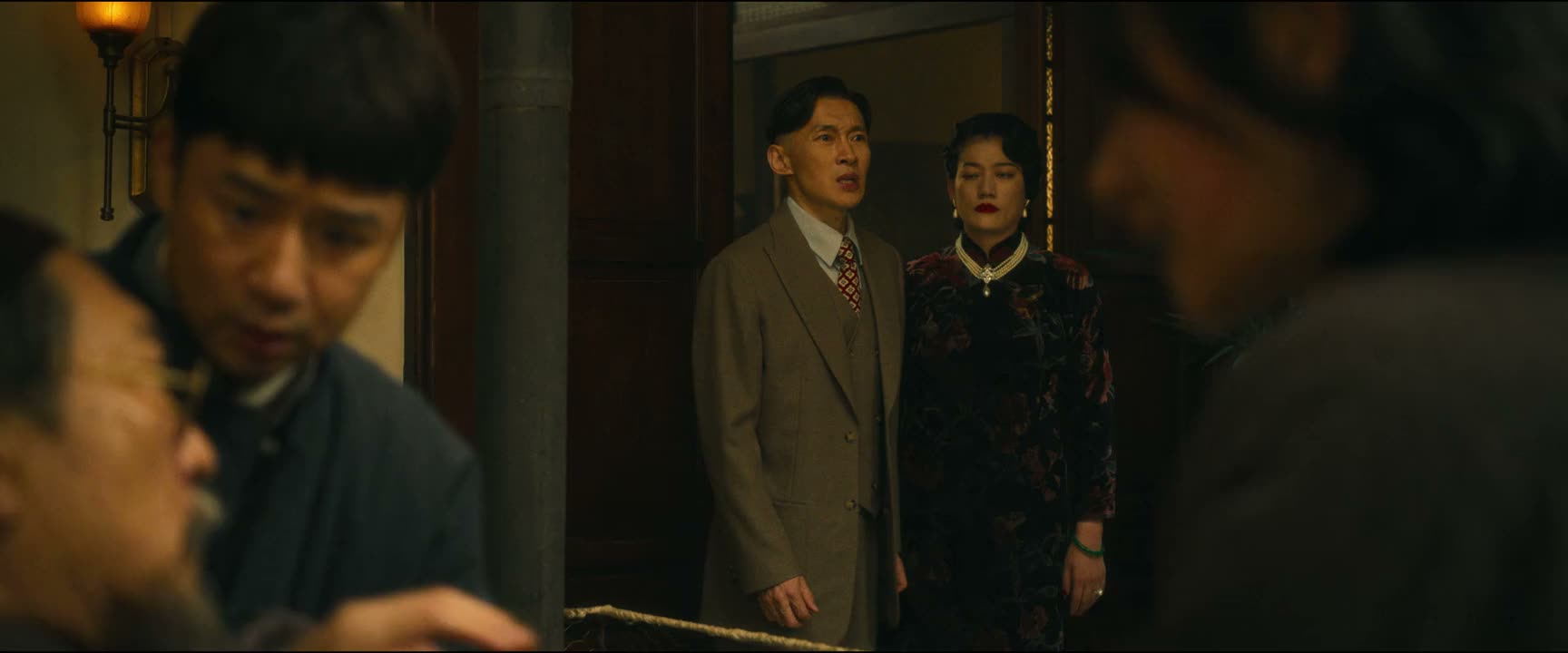 00:02
(我再年轻几岁 我要亲自上战场杀鬼子 太爷) ── Previous context
“Stop talking. Mr. Officer, my uncle is confused.”
 00:02
(你拿刀干什么呀 我就是吓唬吓唬他) ── Previous context
“Why are you all here? I told you not to say anything.”
 00:03
(干什么) ── Previous context
“Let go of me! Why do I feel like you're afraid that yourself... Enough. Stop it!”
[Scene: 社交聚会]
(3 clips) 00:02
(我跟唐灿本来也没什么 我跟她都说清楚了 这况且) ── Previous context
“the one I always like is you. Stop it.”
 00:02
(所以在你心里她的可能性是) ── Previous context
“♪ We softly calm the hidden doubt ♪ Never mind, don't tell me. I'll check for myself.”
 00:02
[Scene: 家庭日常]
(2 clips) 00:02
(我特别理解 这件事情对你们的家庭 行了行了行了) ── Previous context
“Stop talking. I know you have no answers for us now.”
 00:03
(有些事情你 你得带带他 妮妮 别不好意思 妈) ── Previous context
“- Mom! - You're husband and wife now. Please stop.”
[Scene: 其他场景]
(1 clips) 00:03
(你没事吧 好疼啊 疼死了 我也不知道它会掉下来) ── Previous context
“Stop talking. It's all your fault. My bottom hurts terribly. Put me down now.”
[Scene: 职场工作]
(1 clips) 00:02
📌 不说了
→Nuance: 均表达终止话题不再多说
📌 行行行
→Nuance: 核心交际意图完全一致,打断并制止
📌 行了行了
→Nuance: 使用俗语表达相同制止意图
📌 行了行了
→Nuance: 核心意图完全相同可直接互换
📌 我跟你说
→Nuance: 核心意图一致,制止对方言语
📌 得了
→Nuance: 核心均为不耐烦打断对方道歉解释
📌 把话说清楚
→Nuance: 同向近义词根配对: [知道 ↔ 清楚]
📌 不好意思
→Nuance: 核心均为不耐烦打断对方道歉解释
📌 少说两句
→Nuance: 劝阻对方闭嘴,语义等价可互换