《Love Story in the 1970s》 S1·E9 (34:04)
HSK 1
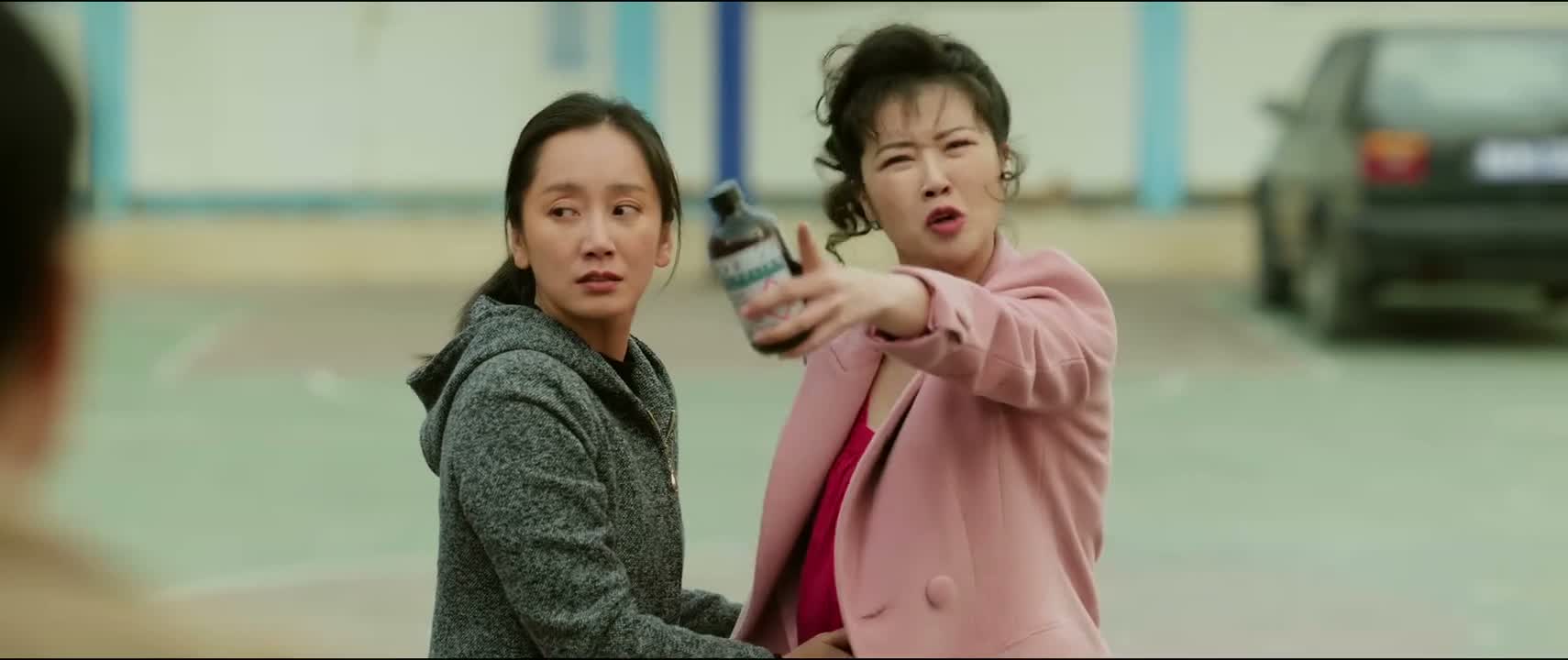
zěn me néng chū ěr fǎn ěr ne nǐ shuō shuō
怎么能出尔反尔呢你说说
“How can she go back on her word?”
《Love Story in the 1970s》
S1·E9
TIMECODE: 34:04
·
1080P MASTER AUDIO
THE DIALOGUE REEL
[-1] PREVIOUS TURN
dōu guài zhè xǔ hóng qí
都怪这许红旗
“This is all Xu Hongqi's fault.”
zěn me néng chū ěr fǎn ěr ne nǐ shuō shuō
CURRENT FOCUS
怎么能 出尔反尔 呢 你说说
“How can she go back on her word?”
Subtitles synced to millisecond timecode
Browse Show Clips →
Scene:
Crisis & Conflict
Function:
CRITICIZING
Tone:
ACCUSATORY
Emotion:
INDIGNATION
WHAT THEY REALLY MEAN (PRAGMATIC SUBTEXT)
“Backing out like this is completely intolerable and you know it.”
💡 Cultural Insight: Trustworthiness and Moral Condemnation (Chengxin)
In Chinese social interaction, breaking promises violates interpersonal trust (Chengxin), making public moral condemnation common when aggrieved.
INTENT TAGS:
#criticism
#venting
#seeking_validation
#indignation
🧩
2 CHUNKS · 1 PARTICLES
LEARNING CHUNKS & PARTICLES
出尔反尔
SPOKEN CHUNK
to go back on one's word; to contradict oneself
A common idiom used to reprimand someone who breaks promises or constantly changes their mind.
你说说
SPOKEN CHUNK
tell me; just say it
Added at the end of a rhetorical critique to demand agreement or validation from the listener.
Modal Particle「呢」 (ne)
CHANGE OF STATE
Enhances the rhetorical and accusatory force of the question.
🏮
3 EXPR · 0 GRAMMAR
VOCABULARY & EXPRESSIONS
COLLOQUIAL EXPRESSIONS:
CROSS-CINEMA CORPUS BOARD · PARALLEL SCENES
EXPLORE BY SEMANTIC SIMILARITY
Parallel Spoken Cinema Scenes (语义近邻切片)


《Love Story in the 1970s》 S1·E9 (34:04) · Authentic Cinema Dialogue Corpus