你说说
nǐ shuō shuōCommon spoken expression used by native Chinese speakers in daily life.
[Scene: 社交聚会]
(8 clips) 00:03
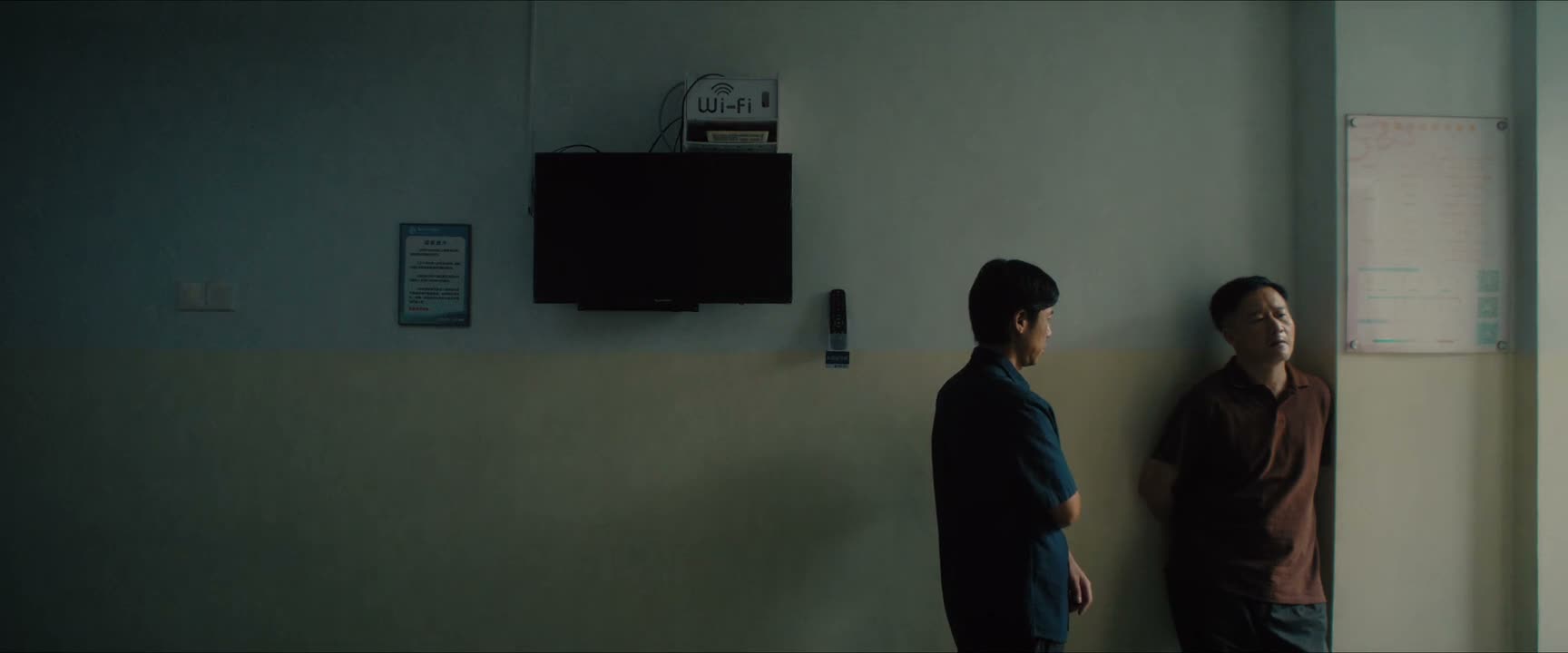 00:02
 00:03
(我跟我妈吵架了 我证件都在她那儿 开不了房) ── Previous context
“You see, if I hadn’t passed by after work,”
 00:02
 00:02
 00:03
 00:02
(你怎么跟我妈一样低俗呢 我不理你了) ── Previous context
“Sorry, I shouldn't have joked. Then tell me,”
 00:03
(我一个姑娘家都不介意 你还吃亏了你?) ── Previous context
“I saw you couldn't sleep, so I'm just keeping you company.”
[Scene: 职场工作]
(6 clips) 00:03
 00:03
 00:02
 00:02
 00:02
 00:02
[Scene: 其他场景]
(4 clips) 00:02
 00:03
(你怎么) ── Previous context
“Look at you. My mentor is really dying. If my mentor dies,”
 00:02
 00:02
[Scene: 其他场景]
(4 clips) 00:02
 00:02
 00:03
(过会儿给你加钱 哥 行吧 你打) ── Previous context
“Tell me about your recent bad luck to cheer me up.”
 00:02
[Scene: 商务沟通]
(3 clips) 00:02
 00:02
 00:03
(无非是想考验一下 我的眼光与见识 不是吗) ── Previous context
“Then tell me, why did you choose this Wild Tea?”
[Scene: 家庭日常]
(2 clips) 00:03
 00:02
[Scene: 警匪刑侦]
(2 clips) 00:02
(- 你们所有人 - 何警官 何警官又来了) ── Previous context
“Honestly though, he has worked as a policeman for so long.”
 00:02
(家里面赃款 就搜了几千万) ── Previous context
“Don't you think this kind of person should be investigated?”
[Scene: 餐饮美食]
(1 clips) 00:03
📌 没事
→Nuance: 共享核心口语谓词: [对不起]
📌 怎么办
→Nuance: 核心交际意图完全一致可互换
📌 意外
→Nuance: 共享核心口语谓词: [对不起]
📌 不容易
→Nuance: 同向近义词根配对: [工作 ↔ 干活]
📌 对不起
→Nuance: 共享核心口语谓词: [对不起]
📌 姐
→Nuance: 同向近义词根配对: [警察 ↔ 警官]
📌 没办法
→Nuance: 共享核心口语谓词: [对不起]
📌 怎么回事
→Nuance: 同向近义词根配对: [脑子 ↔ 脑瓜子]
📌 对不对
→Nuance: 征求解决办法意图相同