你别往这靠 这谁家小孩
“Don't come in here! Whose child is this? ♪ Hidden tides surge as spears clash amid the chaos of war ♪”
THE DIALOGUE REEL
出去
“♪ I vowed to wield the butcher's knife for you ♪ Get out!”
你别往这靠 这谁家小孩
“Don't come in here! Whose child is this? ♪ Hidden tides surge as spears clash amid the chaos of war ♪”
这孩子
“♪ She exchanges the butcher's knife for a weapon of battle ♪ You naughty kid!”
“Get away from me, and someone please take control of this kid.”
Calling out 'whose kid is this' in public serves to shame absent or negligent parents for letting their child intrude on others' space.
LEARNING CHUNKS & PARTICLES
lean or crowd towards here
Refers to physically encroaching on personal space or leaning against an object or person.
whose child (is this)
A common rhetorical complaint used when encountering an unruly or unsupervised child.
Parallel Spoken Cinema Scenes (语义近邻切片)
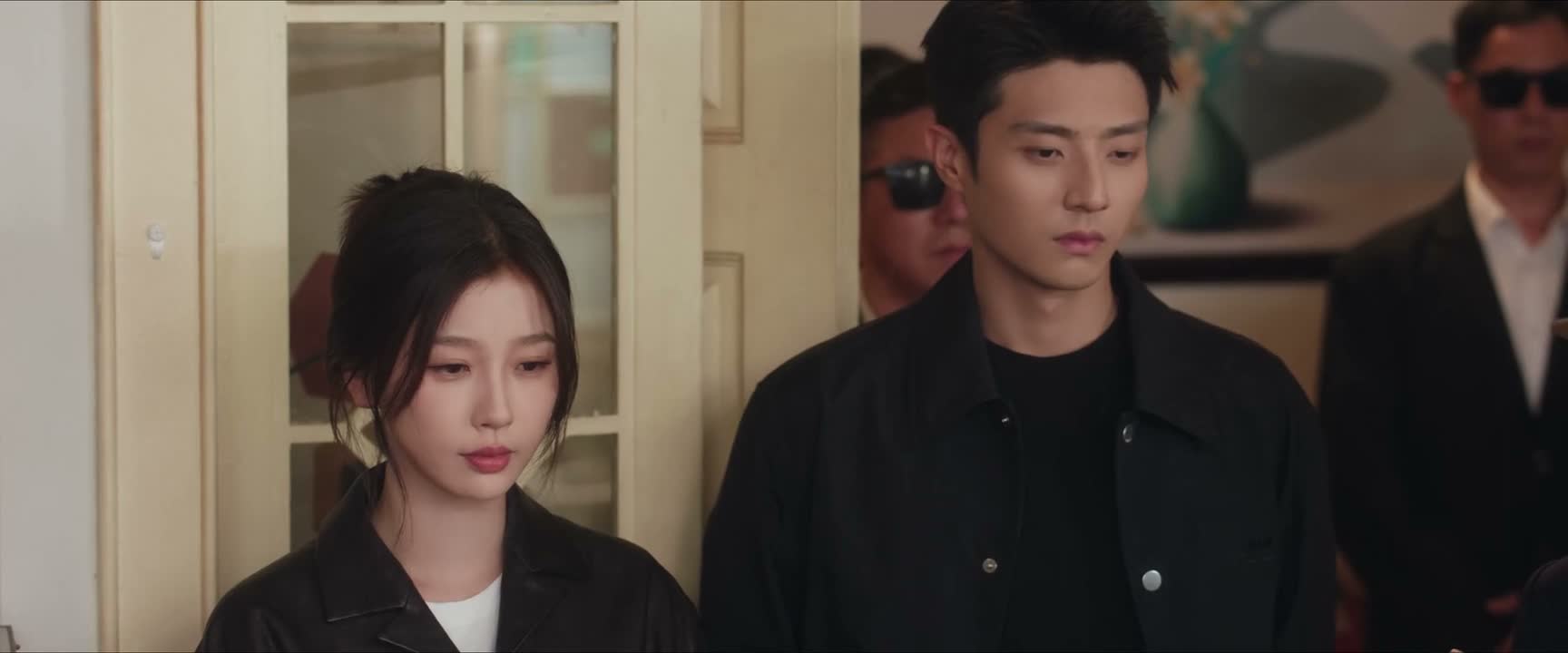
“Don't mind how I am, but my son takes after his mother.”
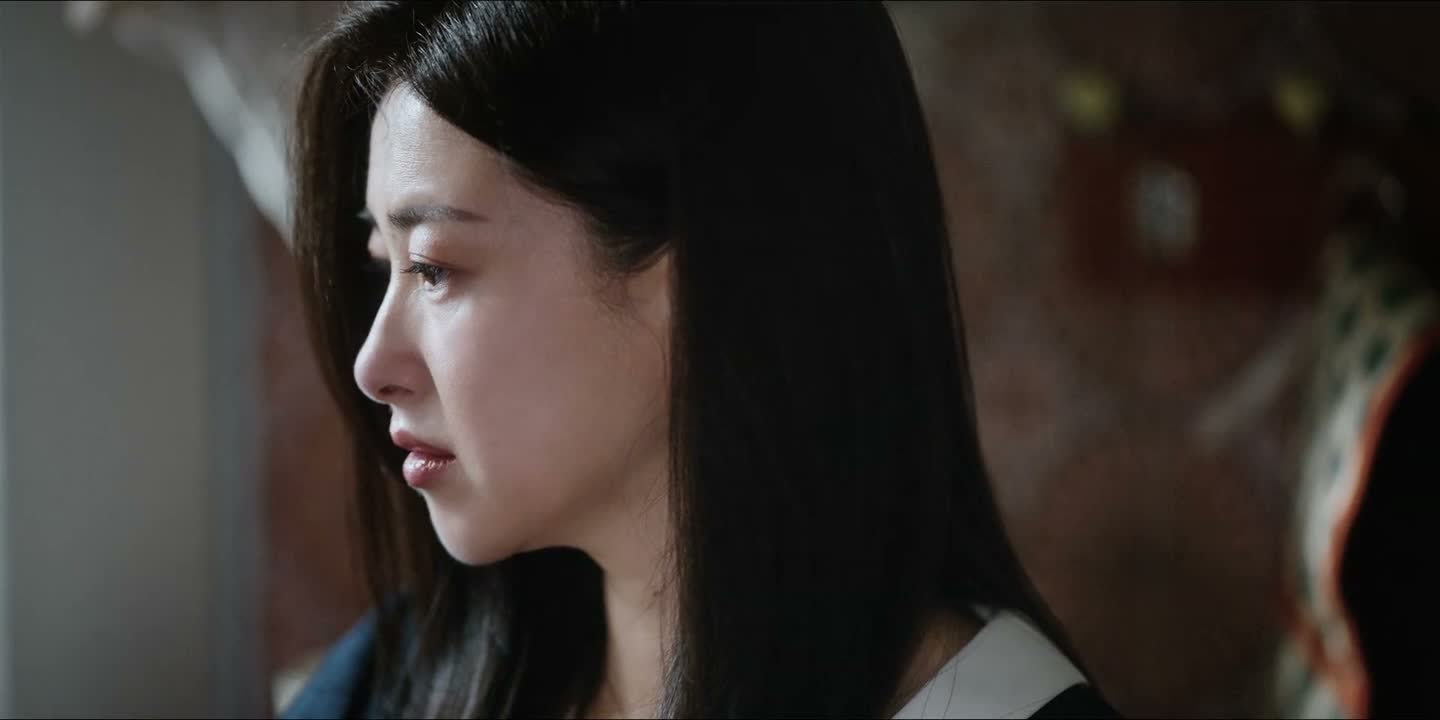
“Don't act silly.”
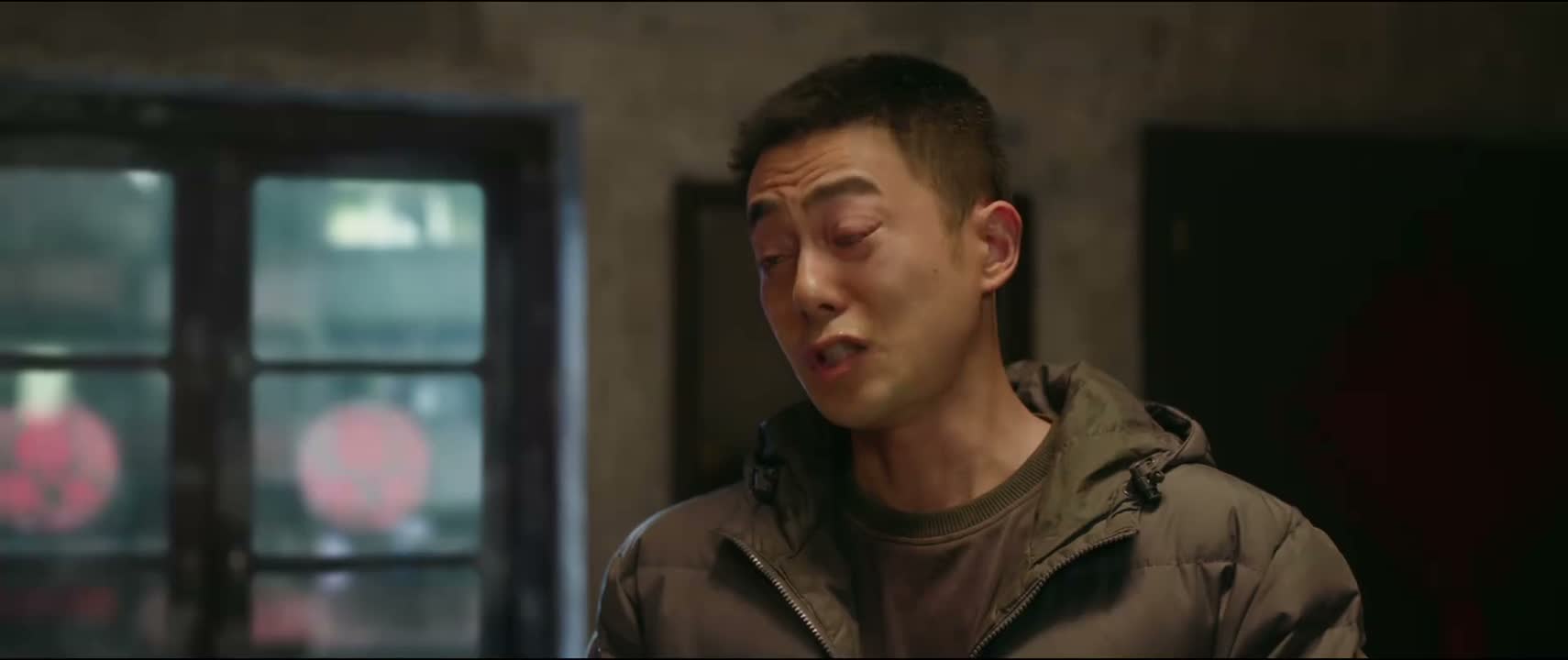
“Would you really leave me and our kid?”

“Who doesn't care about their kids? I've never even dared to lay a finger on him since he was little.”

“Don't worry. I won't let those people”
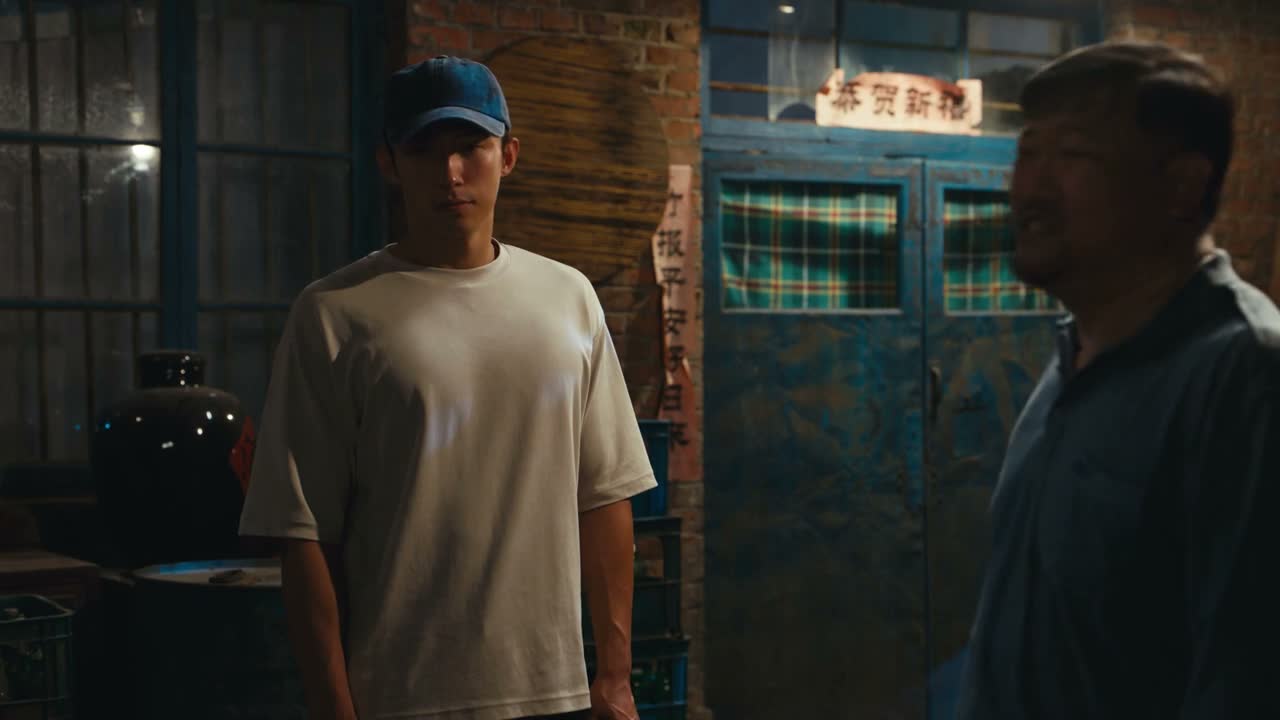
“Like you're throwing yourself at him!”