新戏都没有人听 还排老戏呢
“Even new plays fail. Why stage the old opera?”
THE DIALOGUE REEL
《逼上梁山》
“Bi Shang Liang Shan.”
新戏都 没有 人听 还排老戏呢
“Even new plays fail. Why stage the old opera?”
“That's because your drumming is bad.”
“We can barely attract an audience as it is, so rehearsing old plays is a complete waste of time.”
Reflects the modern existential crisis of traditional Chinese opera troupes struggling between artistic heritage and low market demand.
LEARNING CHUNKS & PARTICLES
even... yet still...
A comparative construction used to emphasize an absurdity or unrealistic expectation.
rehearse traditional plays
Specific theatrical jargon referring to staging classic, established repertoire.
Infuses the rhetorical question with disbelief, accentuating the perceived absurdity of the proposition.
VOCABULARY & EXPRESSIONS
Parallel Spoken Cinema Scenes (语义近邻切片)

“That's because your drumming is bad.”
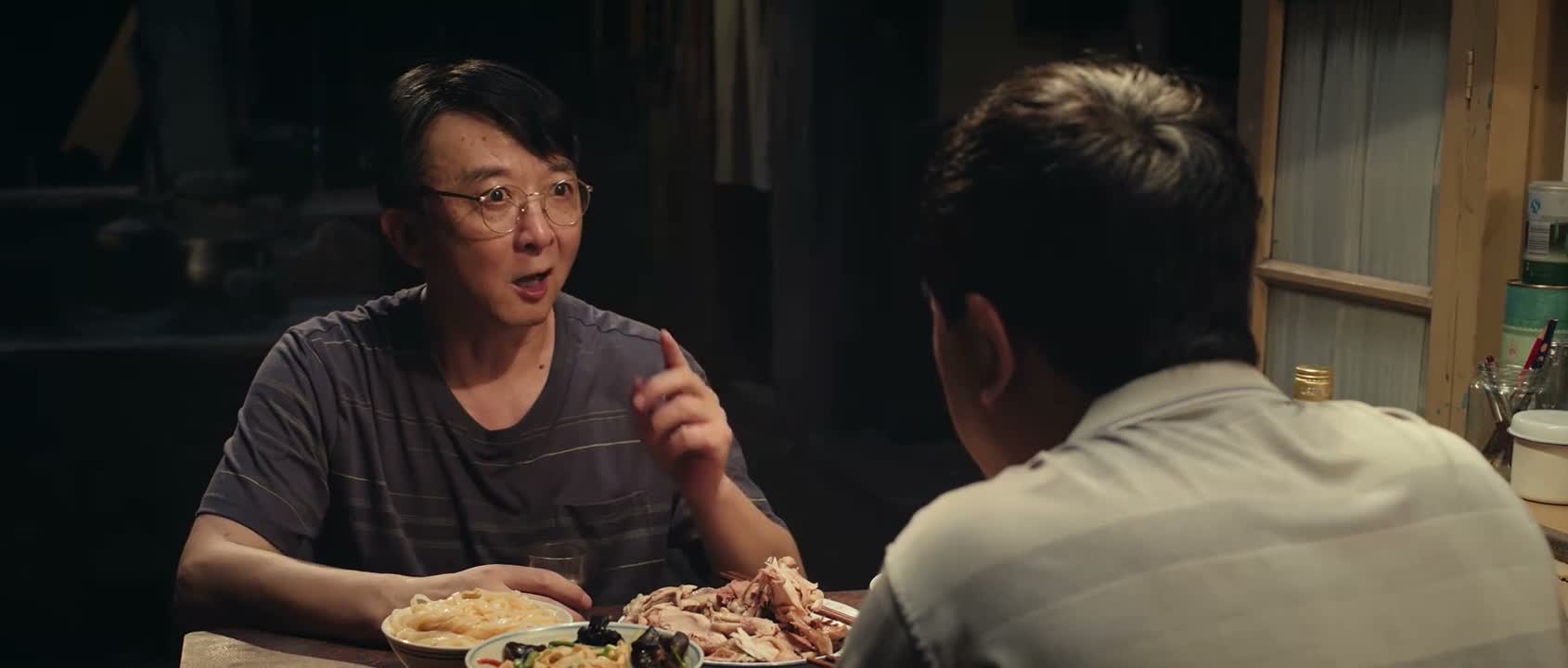
“Old plays were once new.”
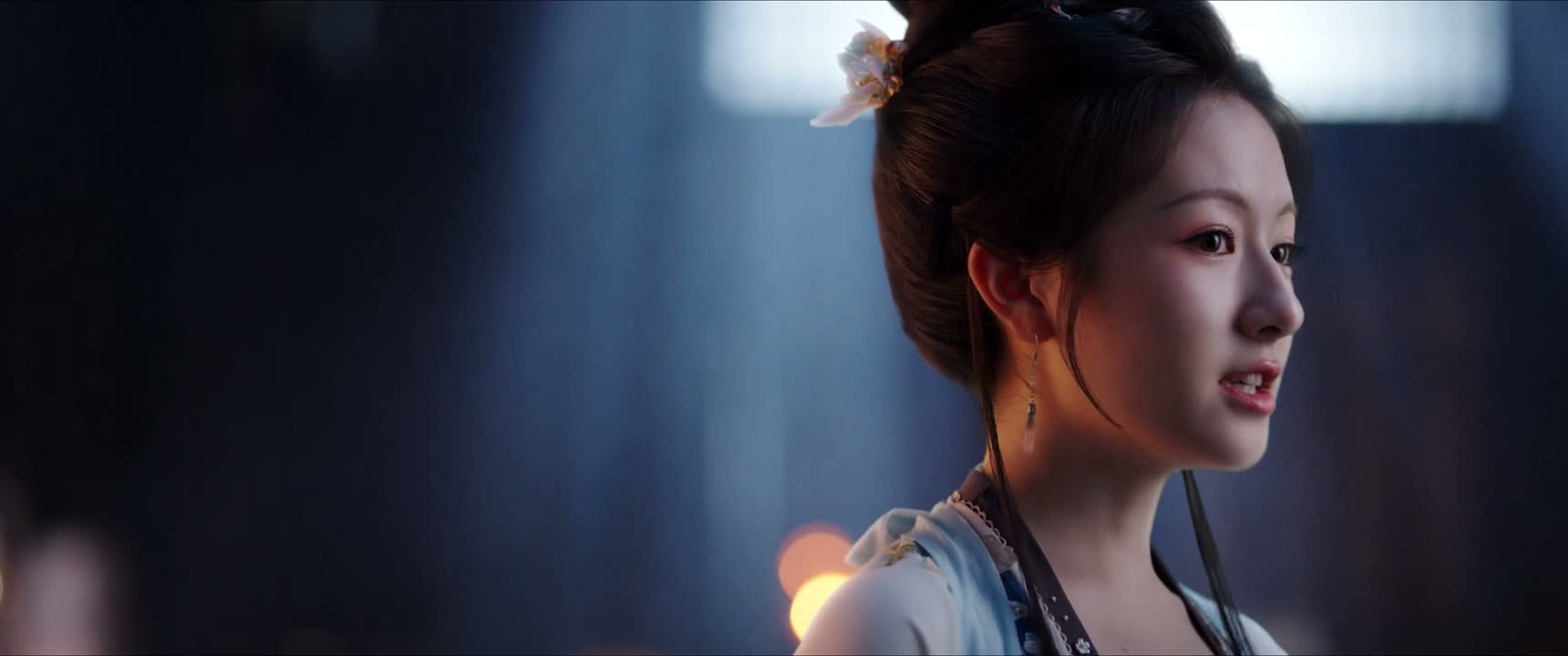
“It's an old trick from theater troupes.”

“the traditional opera needs successors.”

“What matters in the old opera? It's the performer's real skill.”

“You've done this play hundreds of times. You still need rehearsal?”