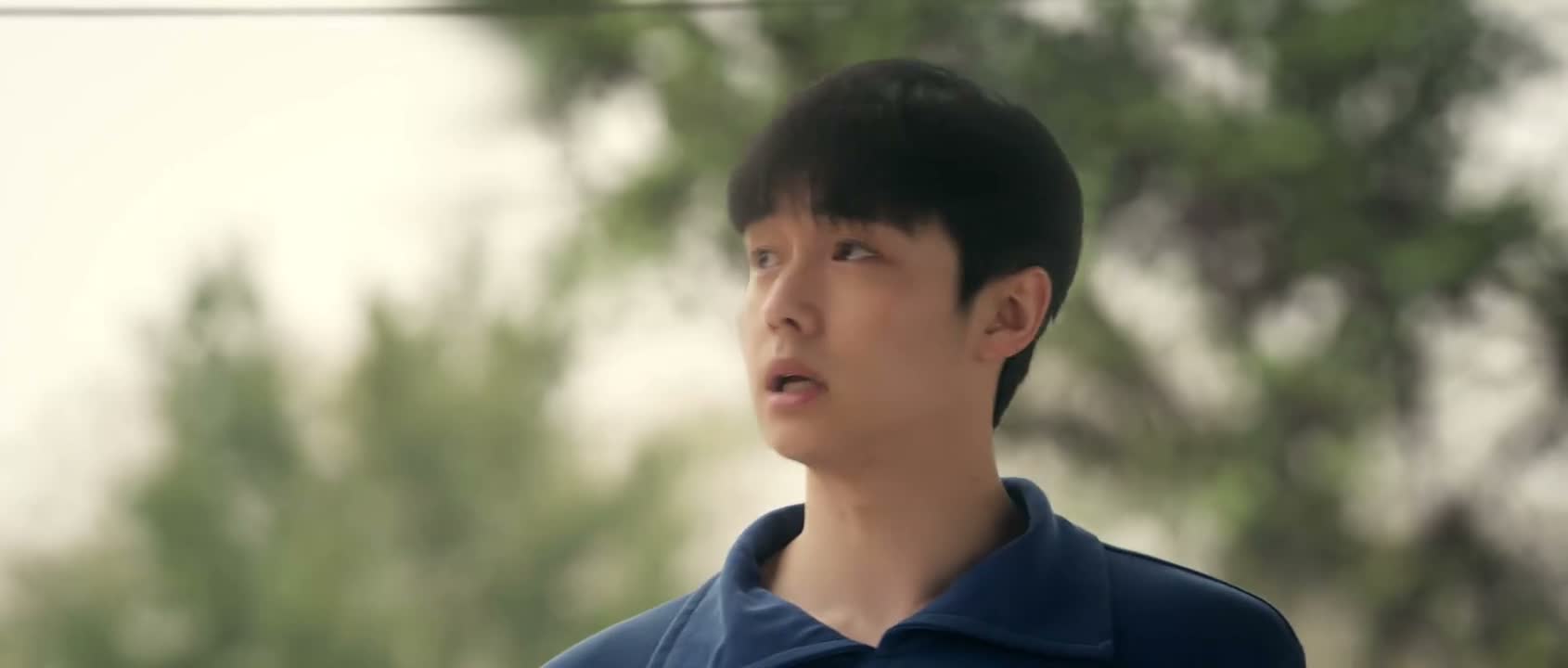
咋了嘛 我又不对了 不是你
“What now? Was I wrong again? Not you.”
THE DIALOGUE REEL
停
“Stop!”
咋了嘛 我 又不对了 不是 你
“What now? Was I wrong again? Not you.”
是乐队问题
“It's the orchestra.”
“Why stop me again? Did I really mess up, or is it someone else?”
In traditional performing arts troupes, directors exert tight control over rehearsals, often provoking sensitive, defensive reactions from performers when halted.
LEARNING CHUNKS & PARTICLES
what is it now? / what's wrong?
Colloquial phrase combining dialectal '咋' with particle '嘛', often showing mild irritation or whining about repeated interruptions.
did I do it wrong again?
Used to express exasperation when one feels constantly singled out for criticism.
Conveys a complaining or pleading tone, signaling that the interruption feels repetitive.
Marks the change of state into a presumed state of error.
VOCABULARY & EXPRESSIONS
Parallel Spoken Cinema Scenes (语义近邻切片)
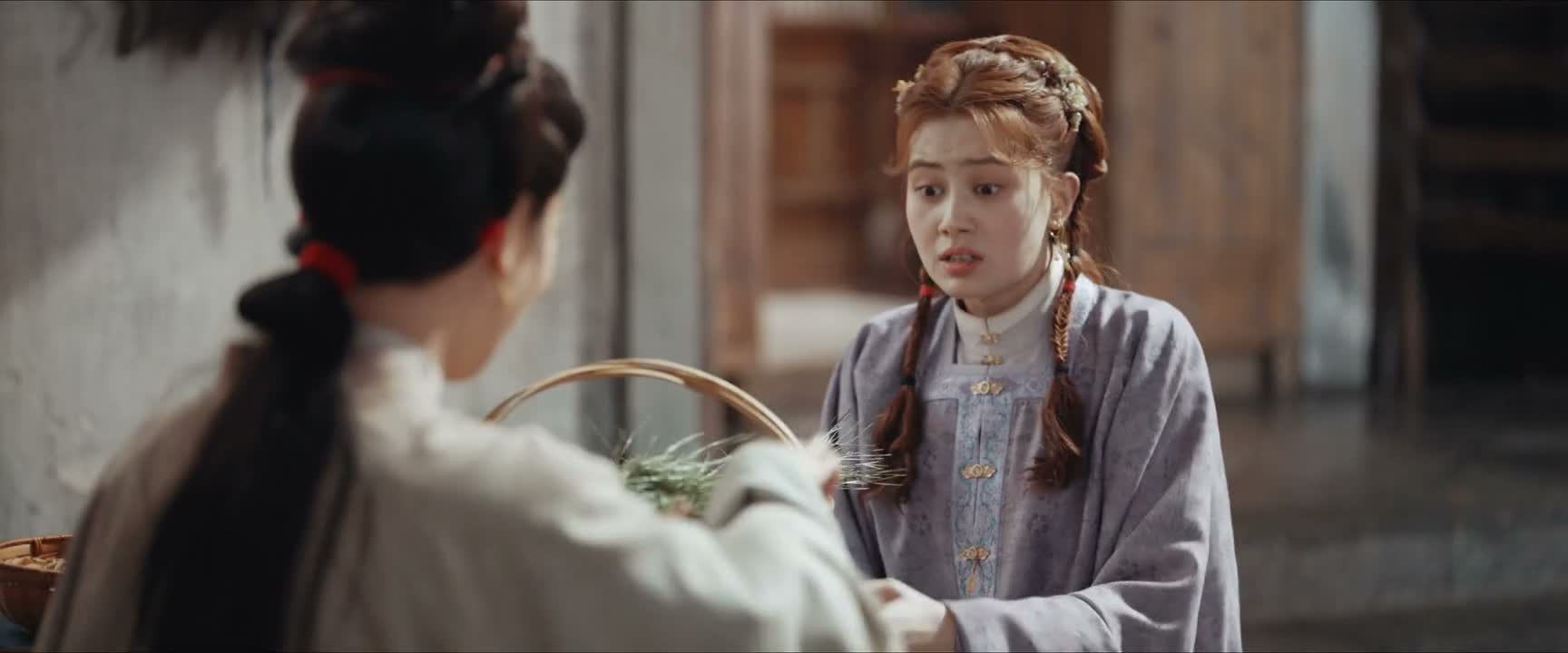
“Anything wrong? What's wrong?”
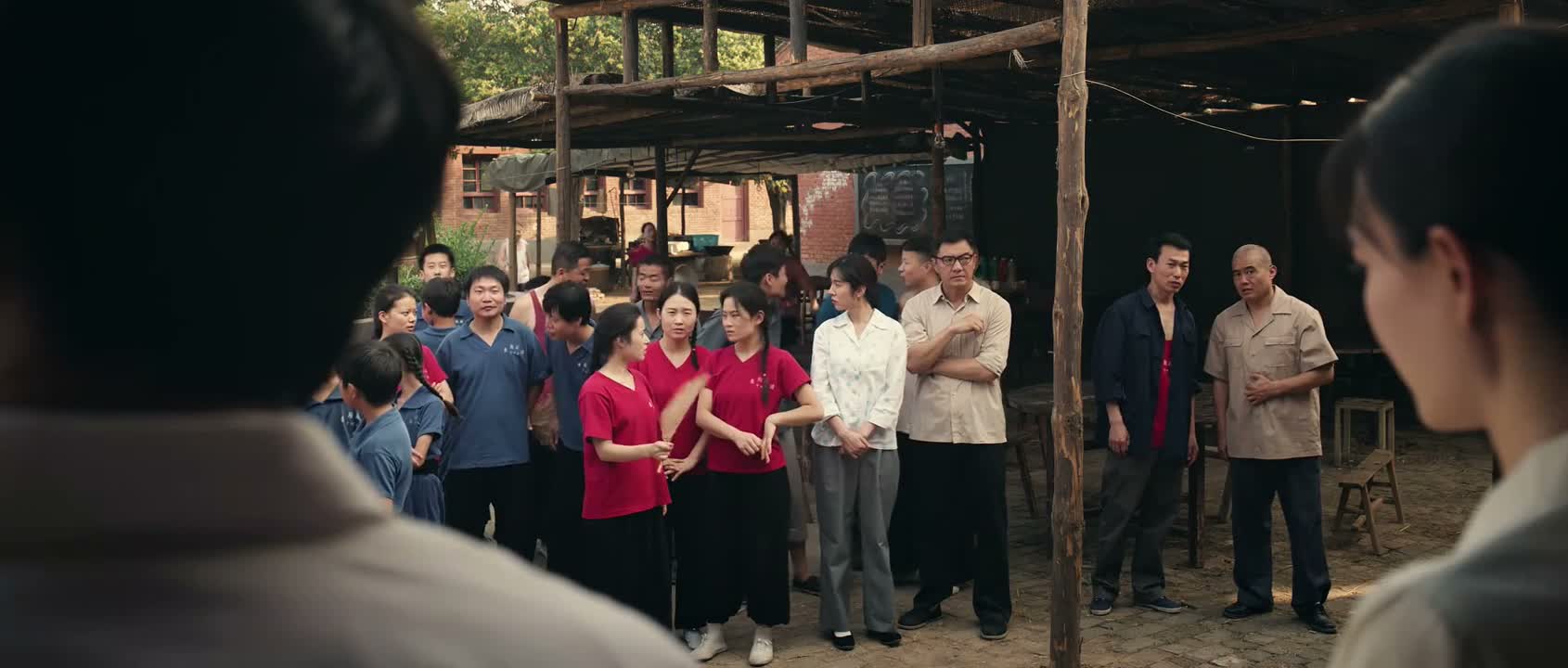
“What's going on? Someone's in trouble.”
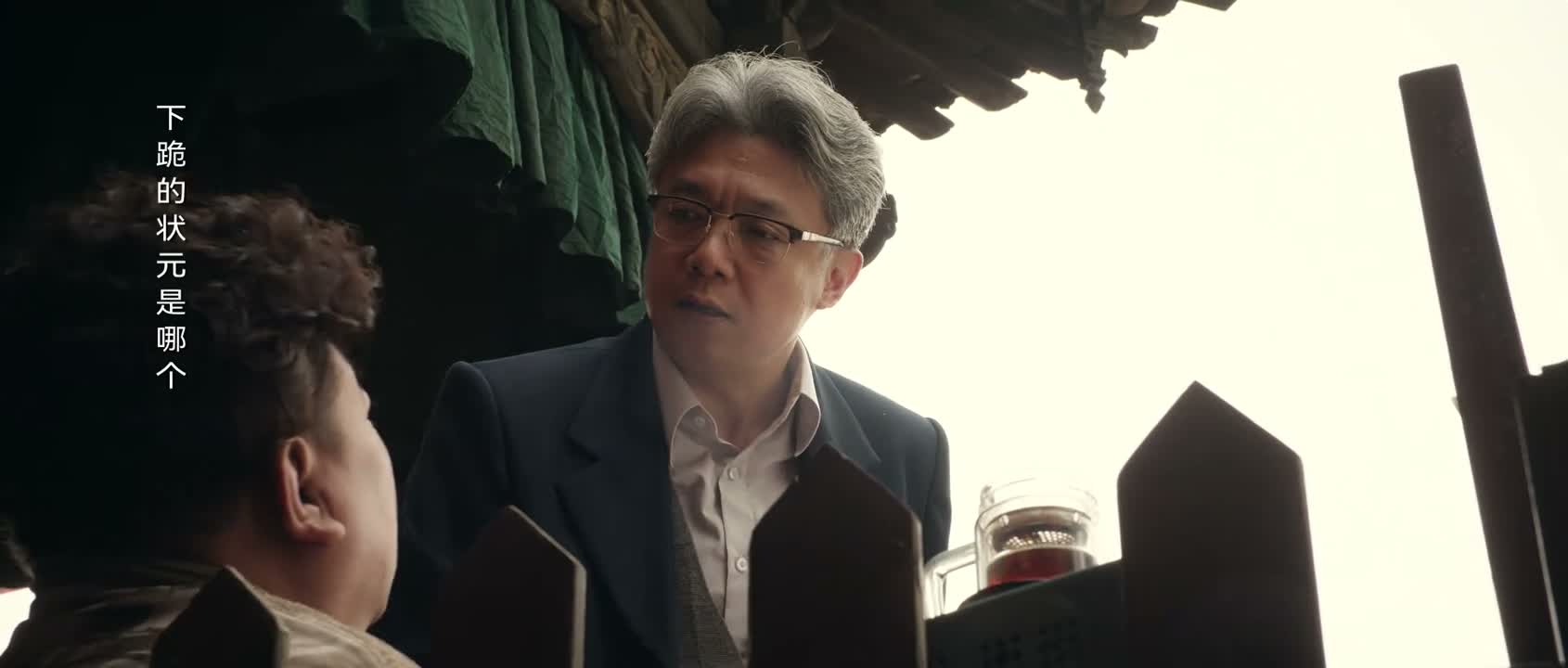
“What's wrong? What are you doing?”
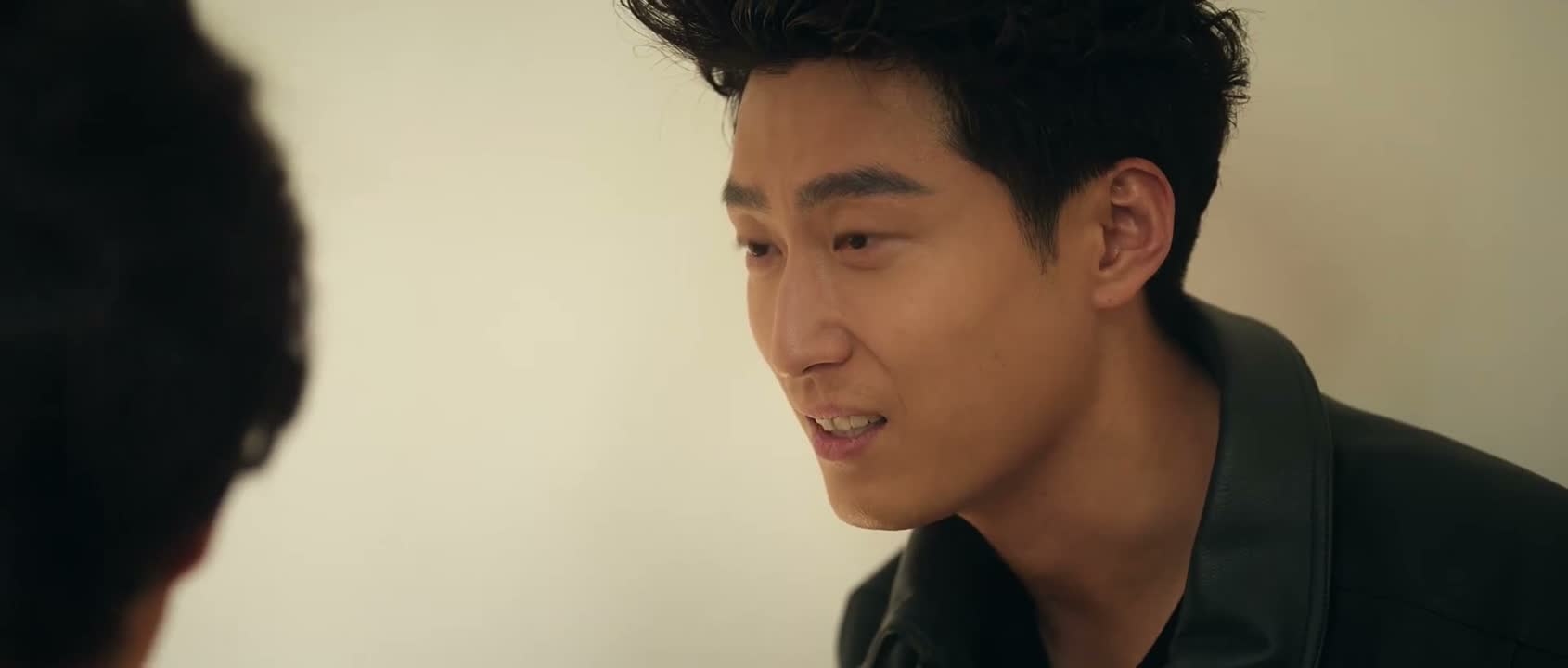
“What? Not happy to see me?”

“What? Is something wrong? No, no.”
“- What is it? - What do you mean?”