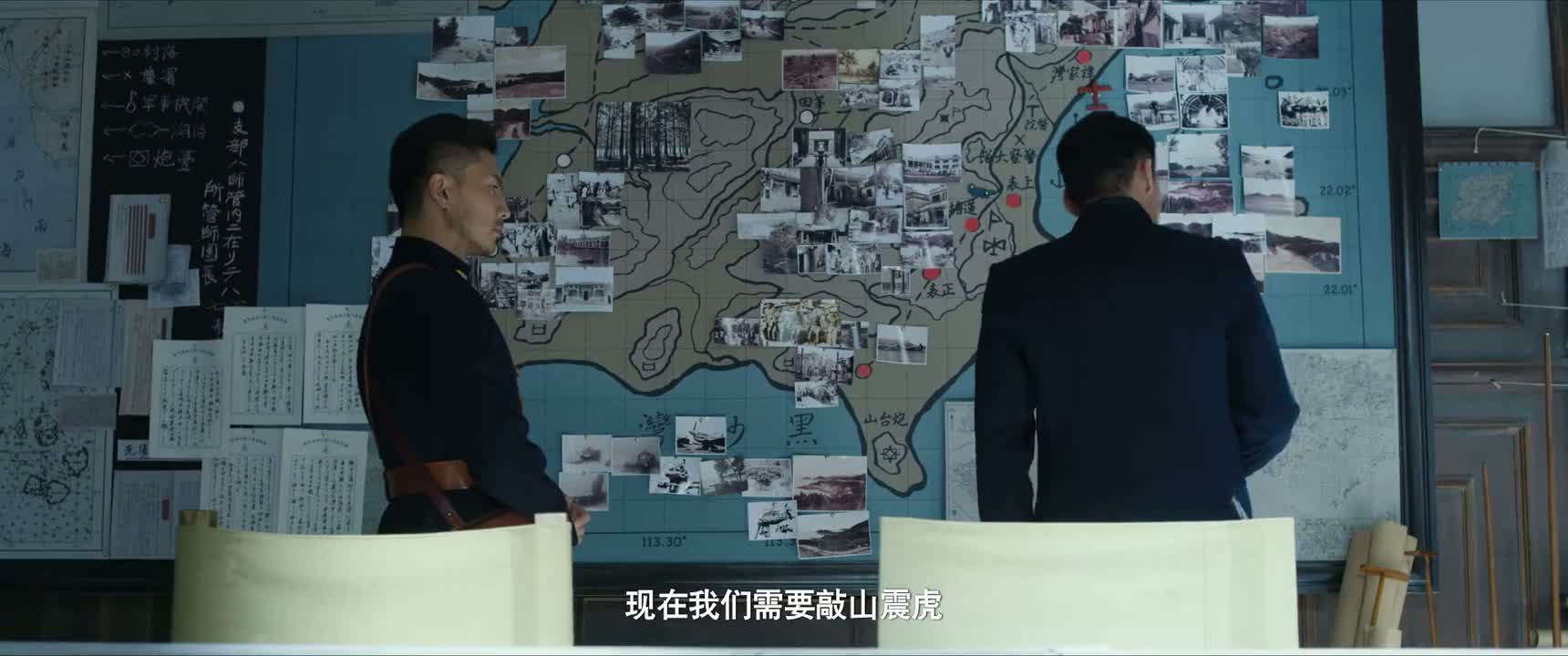
对 但有时候 敲山震虎一番会更好
“Yeah, sometimes it's better to give the cage a good rattle”
THE DIALOGUE REEL
让被监视的人 不知道自己被监视了会更好
“for the surveilled not to know they're being surveilled.”
对 但 有时候 敲山震虎 一番 会 更好
“Yeah, sometimes it's better to give the cage a good rattle”
看看老虎醒来的时候会作何反应
“to see how the tiger responds when it wakes up.”
“Being subtle gets us nowhere; let's rattle their cage and see what they do.”
Drawing directly from classic Chinese military stratagems, speakers often use metaphorical idioms like 'beating the mountain to shake the tiger' to express deliberate indirect psychological warfare.
LEARNING CHUNKS & PARTICLES
to beat the grass to startle the snake; to make an indirect threat or provoke a reaction
A classic strategic idiom used when taking an overt action specifically to scare an opponent or trigger a revealing response.
not to mention; let alone
Used to introduce an even stronger, obvious secondary point that reinforces an argument.