你太自作多情了聂予诚
“You flatter yourself, Nie Yucheng.”
THE DIALOGUE REEL
你就知道你
“All you ever think about is yourself.”
你 太 自作多情 了 聂予诚
“You flatter yourself, Nie Yucheng.”
我离婚不是为你
“I'm not divorcing for you.”
Direct spoken expression in this communicative setting.
Accusing someone of 'zì zuò duō qíng' is a sharp ego-deflating insult in Chinese interpersonal conflicts, forcefully shutting down unwanted presumptions of emotional debt.
LEARNING CHUNKS & PARTICLES
flattering oneself; imagining unreciprocated affection
A four-character idiom frequently used to mock or rebuke someone who wrongly assumes another person has romantic feelings or intentions toward them.
Marks an excessive degree in conjunction with '太' (too), reinforcing the absolute certainty of the accusation.
VOCABULARY & EXPRESSIONS
Parallel Spoken Cinema Scenes (语义近邻切片)

“I was just being sentimental.”

“Don't flatter yourself. I am not treating you.”
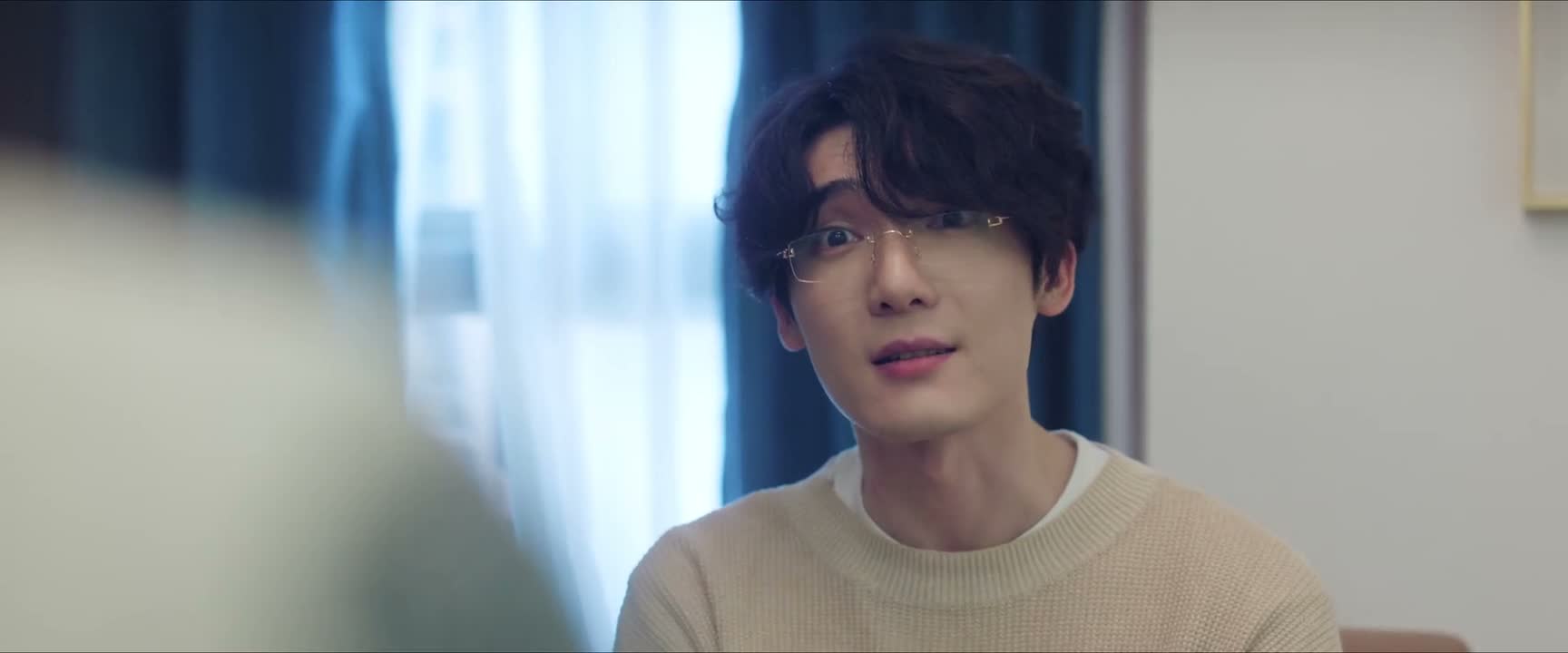
“Once could be wishful thinking, but was it really the case every single time?”
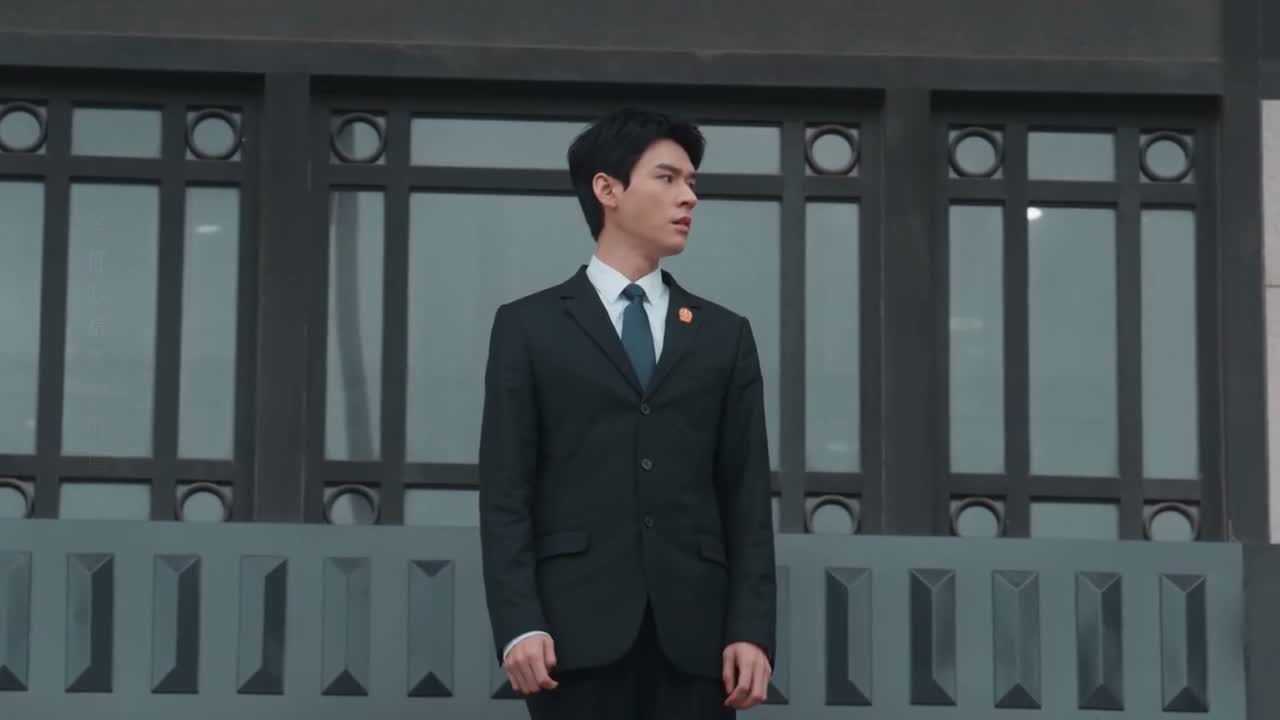
“(How full of yourself.)”

“(How full of yourself.) (To think she was waiting for you.)”

“Stop flattering the marquis!”