时间太久了 记不清楚 正常
“It's been too long. I can't remember clearly. -It's normal.”
THE DIALOGUE REEL
你还没有回来
“but you didn't come back yet.”
时间 太 久 了 记不清楚 正常
“It's been too long. I can't remember clearly. -It's normal.”
“I've been muddled lately. Yes, too tired.”
Direct spoken expression in this communicative setting.
Labeling an error or lapse as 'normal' (正常) is a common conversational tool in Chinese culture to relieve embarrassment and grant face.
LEARNING CHUNKS & PARTICLES
cannot remember clearly
A very common potential complement phrase used to describe hazy memory.
too long ago / too much time has passed
Used as an excuse or reason for forgetting details or changing circumstances.
Marks an excessive extent combined with 'tai' (太...了) and indicates current change of state.
VOCABULARY & EXPRESSIONS
Parallel Spoken Cinema Scenes (语义近邻切片)
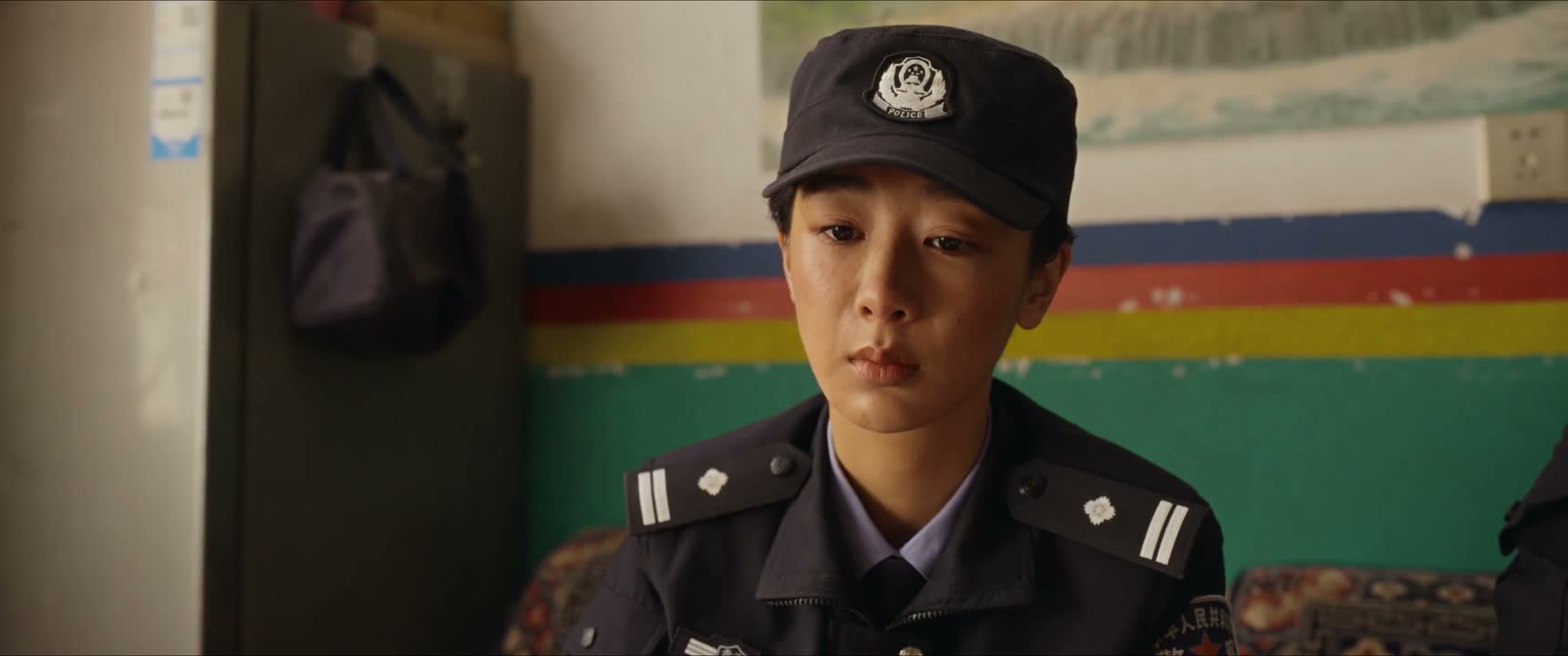
“I can't remember clearly. It's been too many years.”

“I was too young then to remember the way.”

“Many years have gone by, yet you've never noticed the missing of a photo of yours.”

“and for no reason, she burst into laughter.”
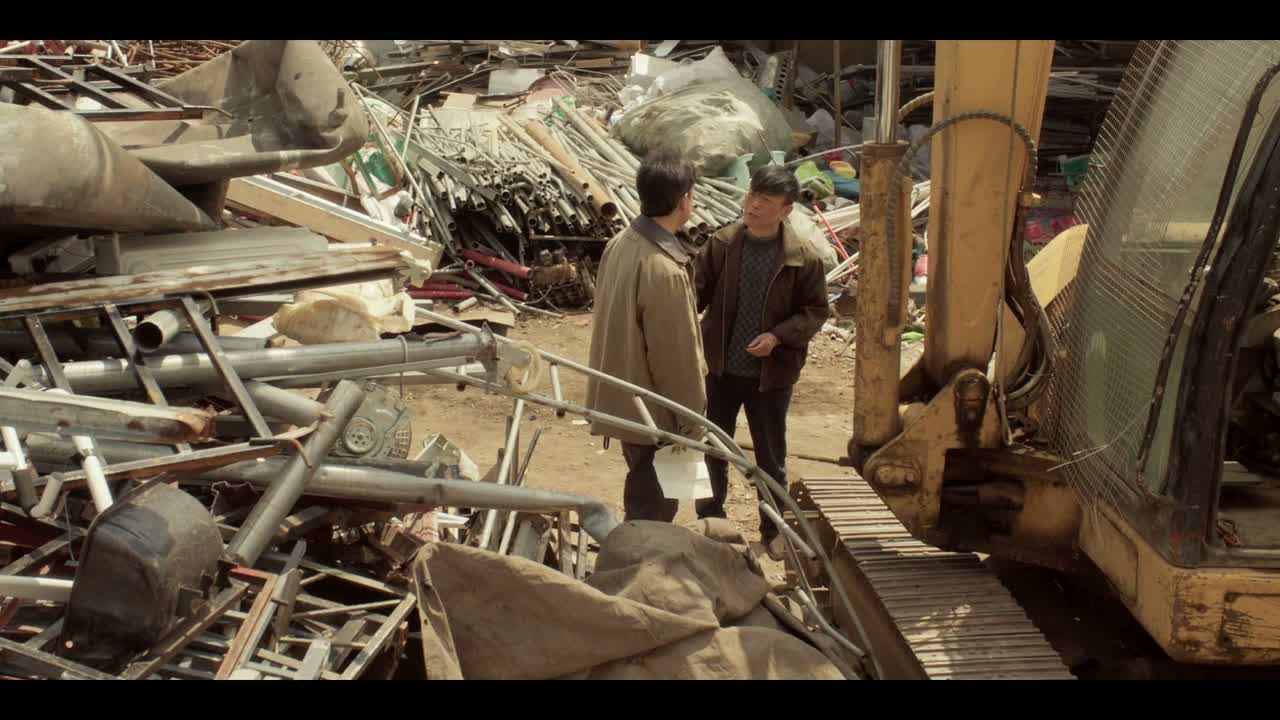
“After all this time, I really can't remember.”
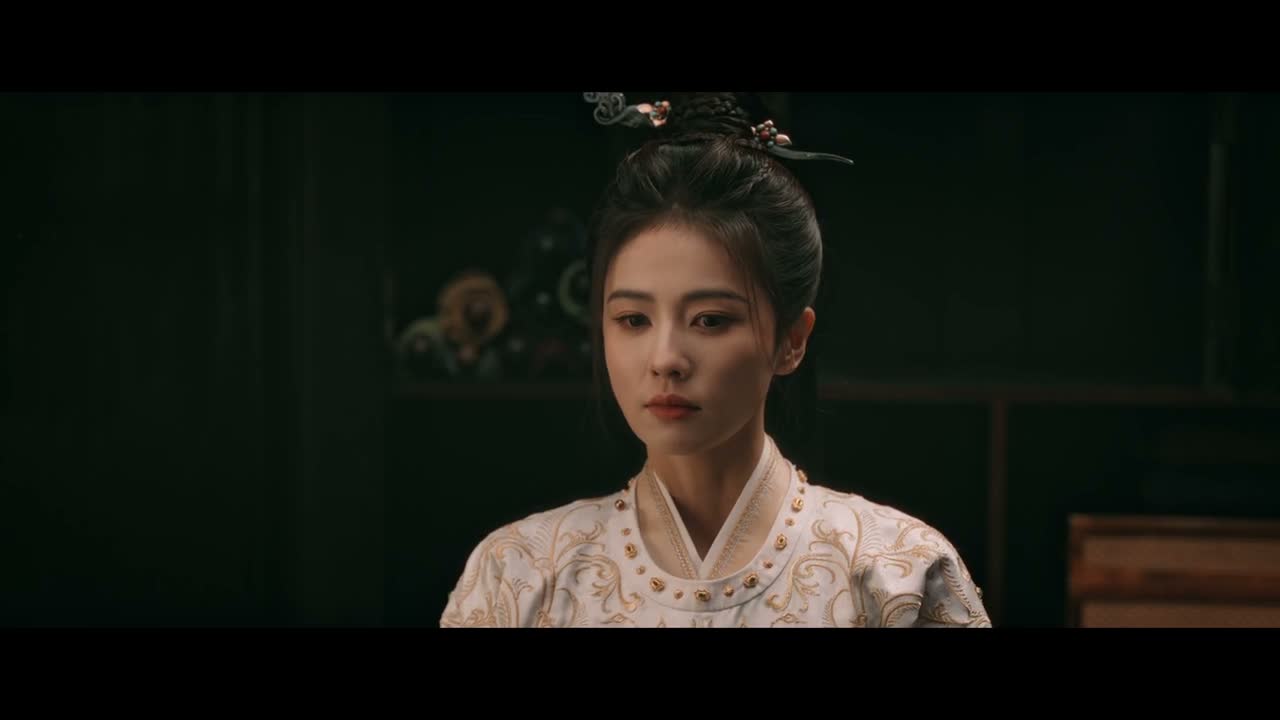
“It's just normal that you don't remember it.”