老奴冤枉啊 饶命啊
“I'm innocent! Please have mercy!”
THE DIALOGUE REEL
老奴 冤枉啊 饶命啊
“I'm innocent! Please have mercy!”
魏副尉 你之前日日替宋娘子守灵 如今头七未过
“Vice Commandant Wei, you used to keep vigil for Miss Song every night. But now, before the seven days of mourning have even passed,”
Direct spoken expression in this communicative setting.
Traditional Chinese hierarchy required domestic retainers to refer to themselves debasingly (such as '老奴') to reinforce deference before authority.
LEARNING CHUNKS & PARTICLES
this old servant (humble first-person pronoun)
Used strictly in historical periods by senior domestic servants when speaking to their masters or officials.
wronged / falsely accused
The quintessential spoken expression in Chinese legal and everyday contexts to proclaim innocence against a charge.
Expresses acute anguish and underscores the desperation of the plea.
VOCABULARY & EXPRESSIONS
Parallel Spoken Cinema Scenes (语义近邻切片)
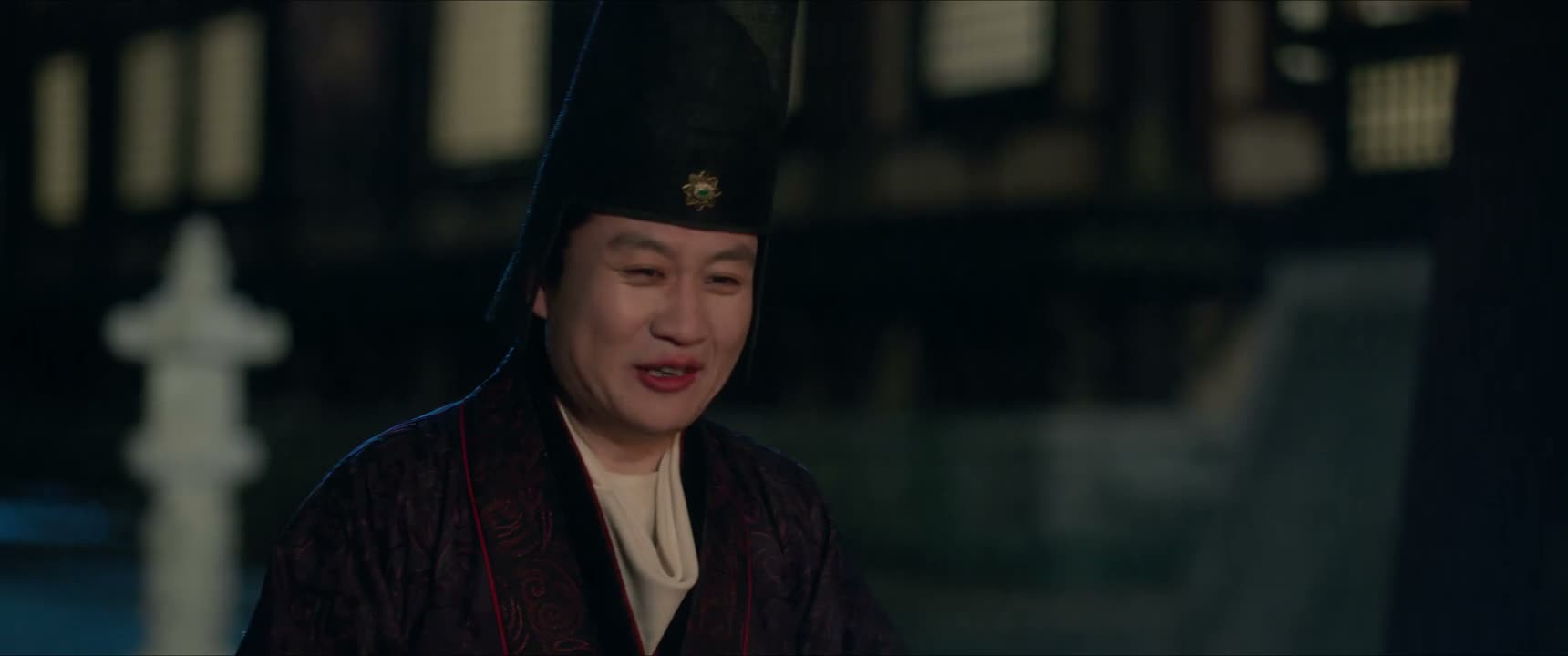
“I'm only following orders.”

“Back then, I only thought he met with sudden misfortune.”
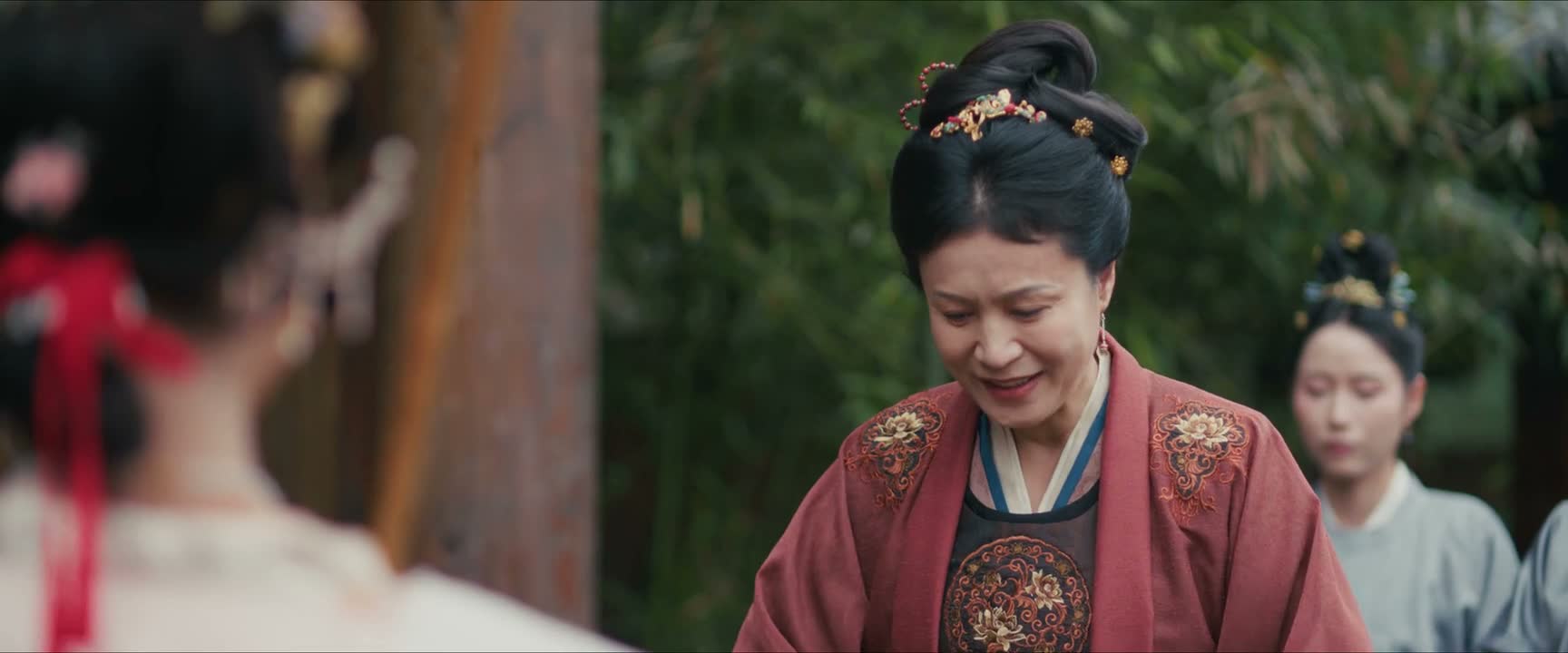
“I apologize for my incompetence.”
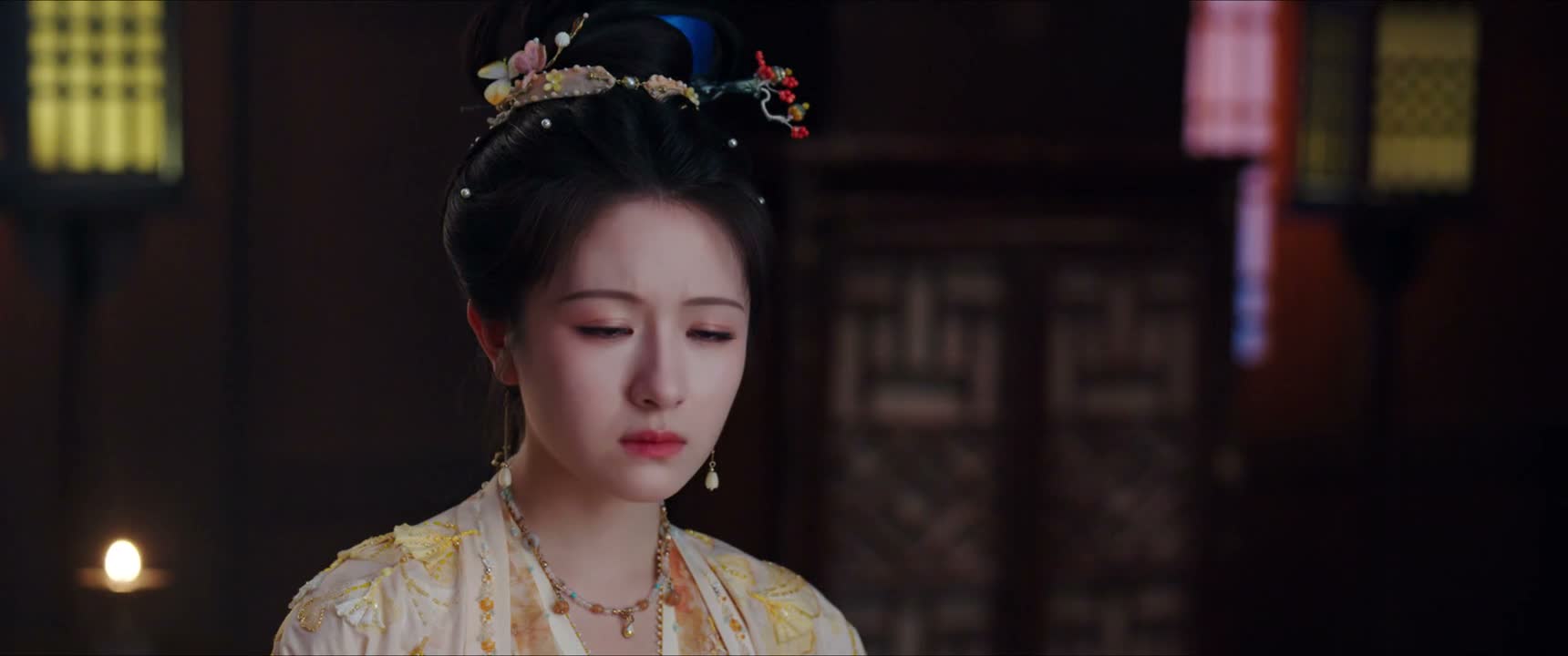
“If I lied,”

“I did not fail the task”

“I was wrong. Please forgive me.”