在下心情不好时便会临帖
“I practice calligraphy whenever I'm in a foul mood.”
THE DIALOGUE REEL
魏副尉平日可也喜欢书法
“Vice Commandant Wei, do you enjoy calligraphy in your daily life?”
在下 心情不好 时便会临帖
“I practice calligraphy whenever I'm in a foul mood.”
这是自幼替嫡兄受罚养成的习惯
“It's a habit I picked up from being punished in place of my older brother.”
“I do not practice out of joy, but to soothe inner bitterness.”
In classical Chinese culture, practicing calligraphy is not merely an art form but a meditative tool to calm negative emotions and temper the mind.
LEARNING CHUNKS & PARTICLES
I / myself (humble self-reference)
Used in historical or period settings by men to show modest deference to conversational partners.
to practice calligraphy by copying model inscriptions
A traditional term denoting the disciplined copying of standard calligraphic stone rubbings or scrolls.
VOCABULARY & EXPRESSIONS
Parallel Spoken Cinema Scenes (语义近邻切片)
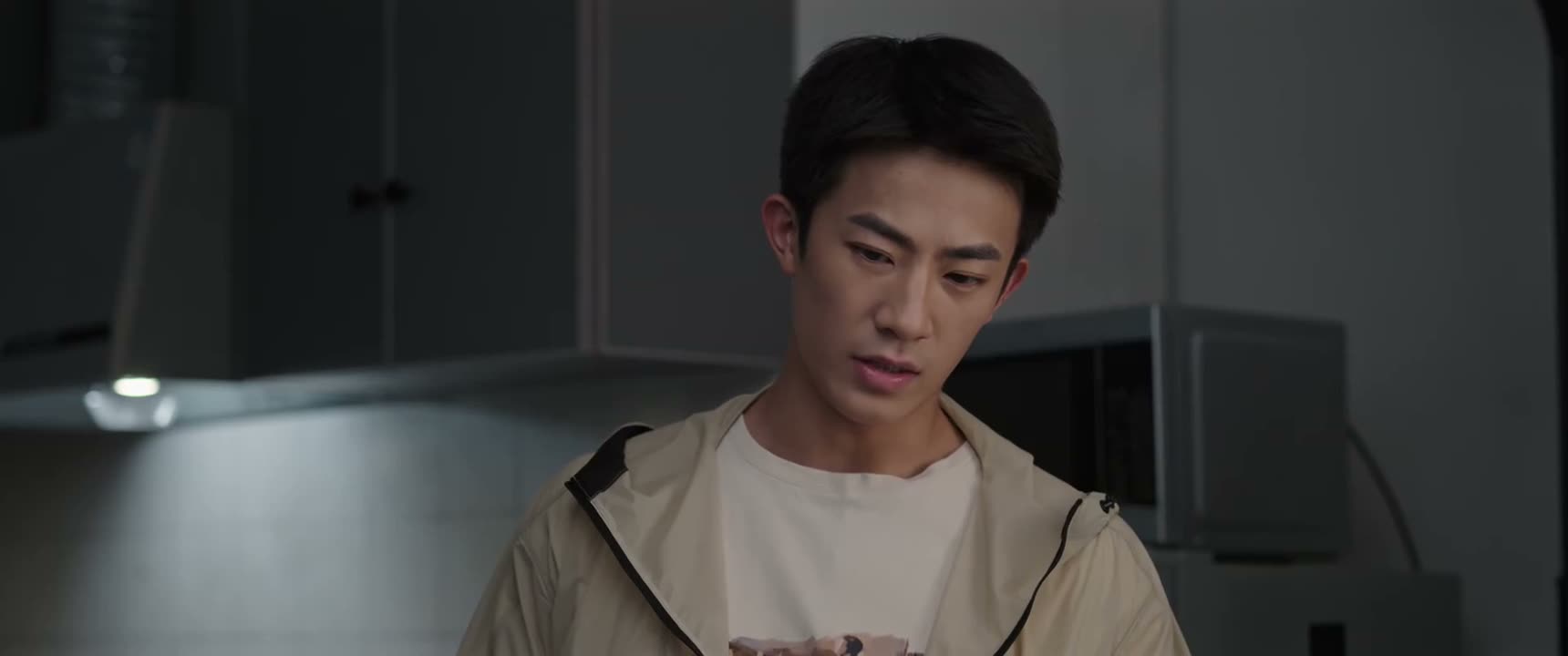
“You're in a bad mood.”
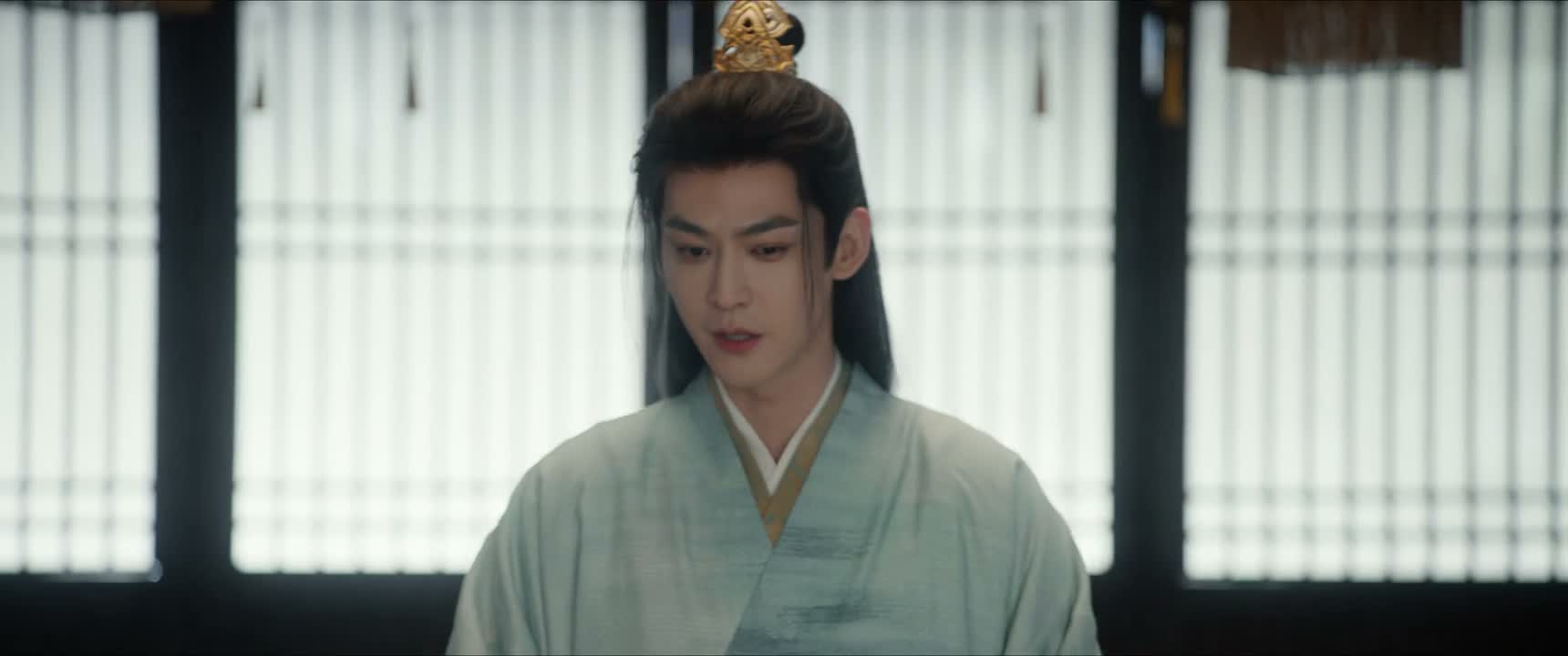
“has always been unpredictable.”
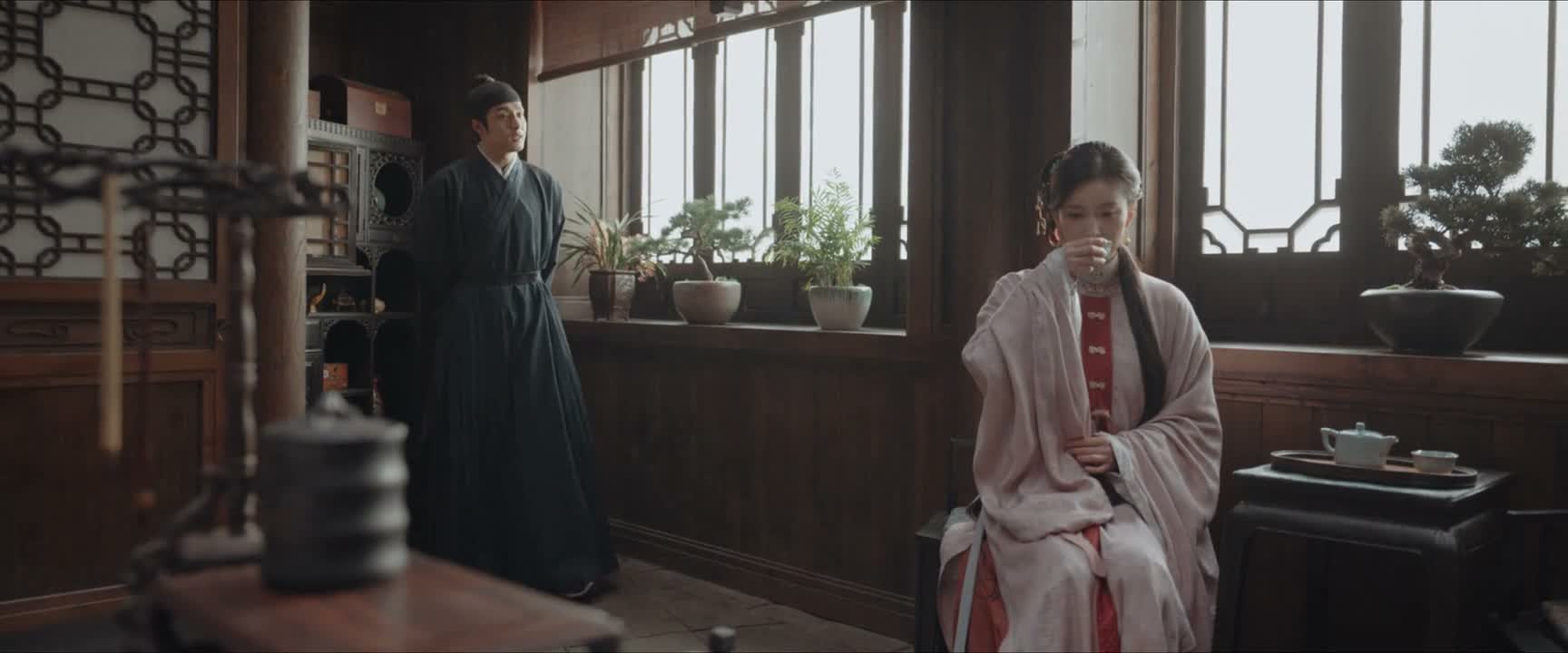
“will naturally pursue ink.”

“Perhaps she took calligraphy classes.”
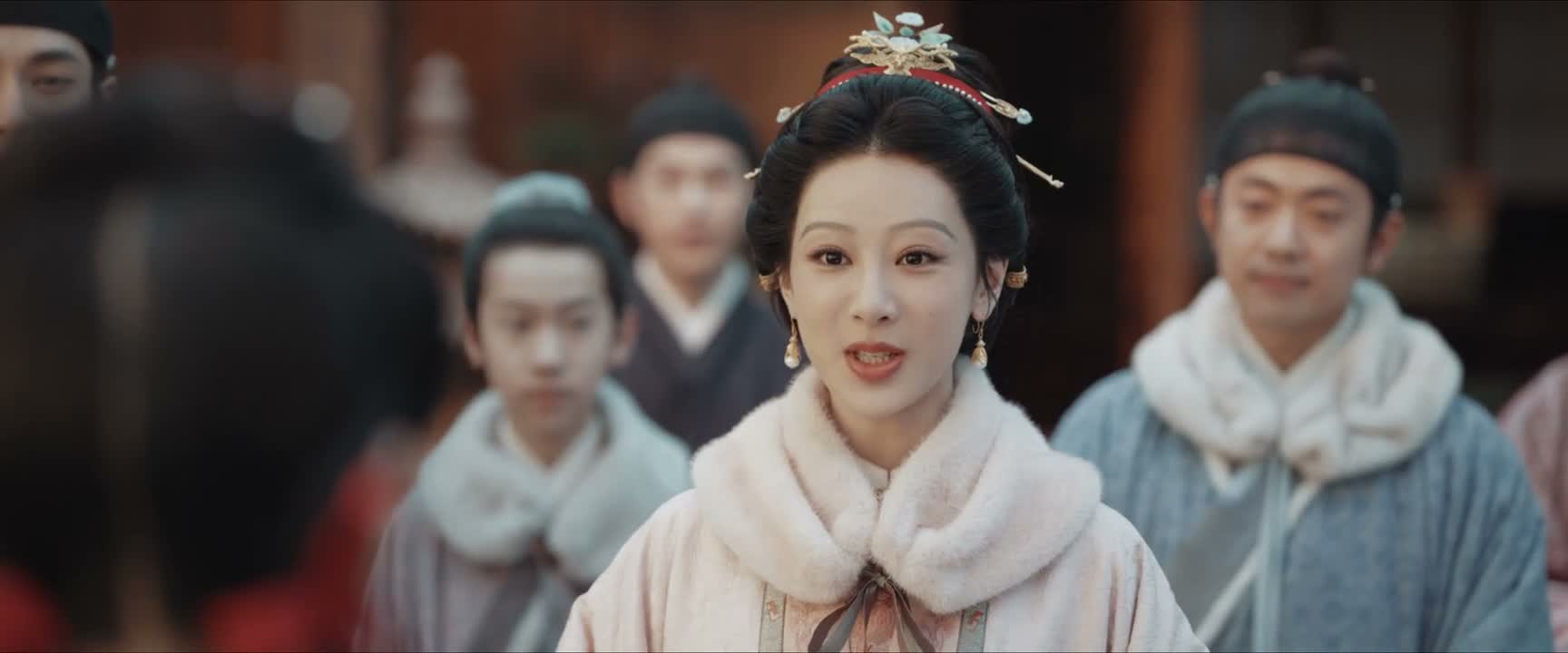
“This is our duty as ink makers.”
“”