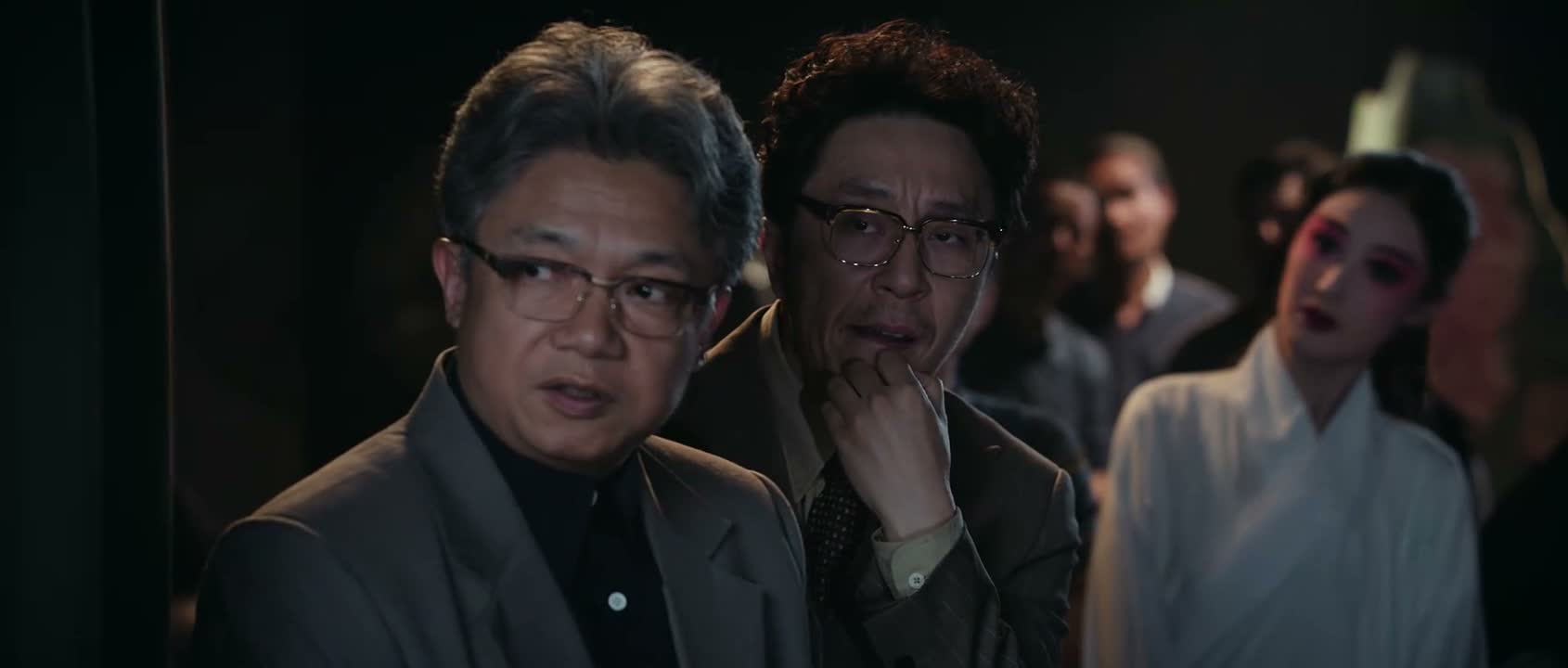
秦娥有地方住 你没有嘛 走 咱回
“Qin'e has a place to stay, but you don't. Let's head back.”
THE DIALOGUE REEL
秦娥 有地方住 你没有 嘛 走 咱回
“Qin'e has a place to stay, but you don't. Let's head back.”
我还用得上个你了
“Since when do I need you?”
Direct spoken expression in this communicative setting.
The pronoun '咱' creates immediate intimacy and solidarity, making direct commands feel affectionate and communal rather than bossy.
LEARNING CHUNKS & PARTICLES
let's go back
Highly colloquial northern phrasing using '咱' (inclusive 'we') to propose heading home.
have a place to stay
Common everyday structure indicating availability of accommodation.
Points out an obvious fact that should be evident to the listener, emphasizing that they have nowhere else to go.
VOCABULARY & EXPRESSIONS
Parallel Spoken Cinema Scenes (语义近邻切片)

“Qin'e, why are you still sitting here?”

“Qin'e, listen to me. Just rest up. No need to rush back.”

“Qin'e went through her own ordeal, didn't she?”

“Qin'e, you should go up.”

“- Qin'e, invite him in. - Please, come in. Okay, okay.”
“Qin'e's part isn't easy to sing.”