MC
MandarinClips Cinema Corpus
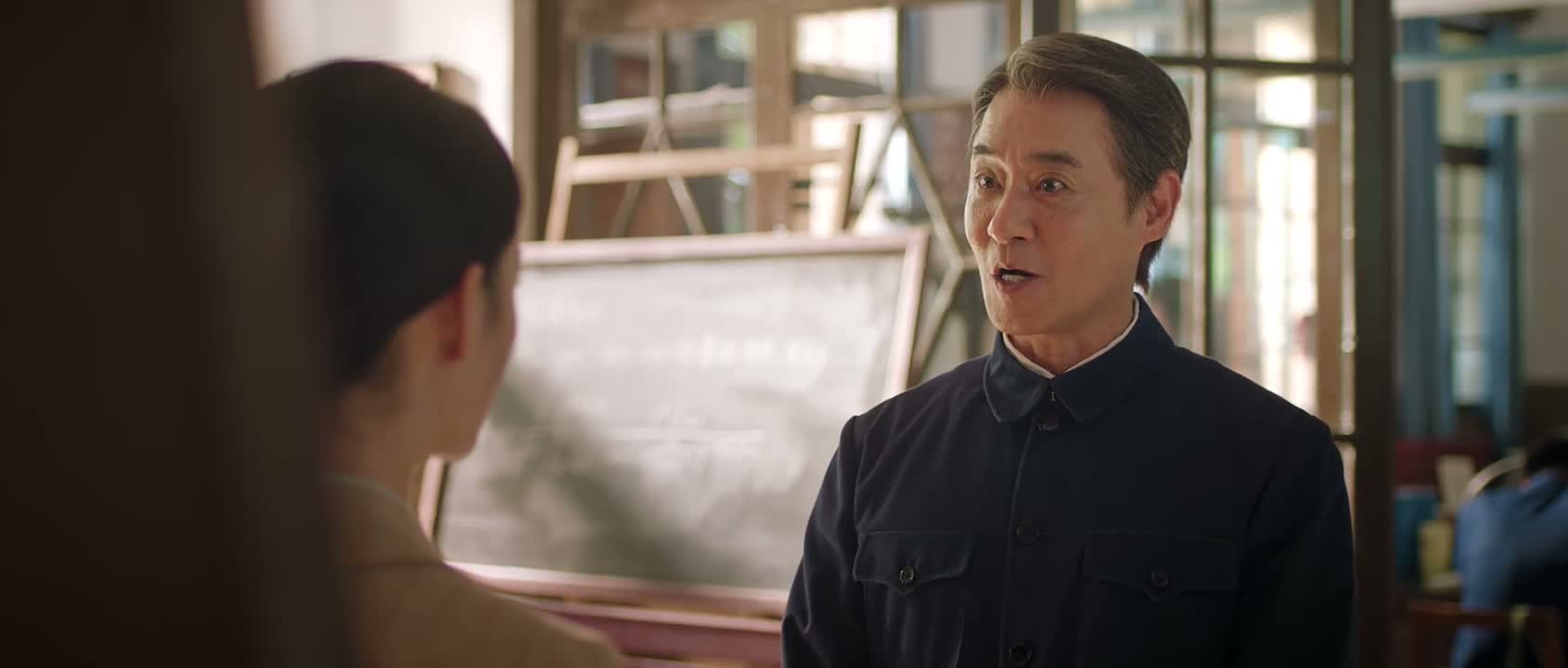
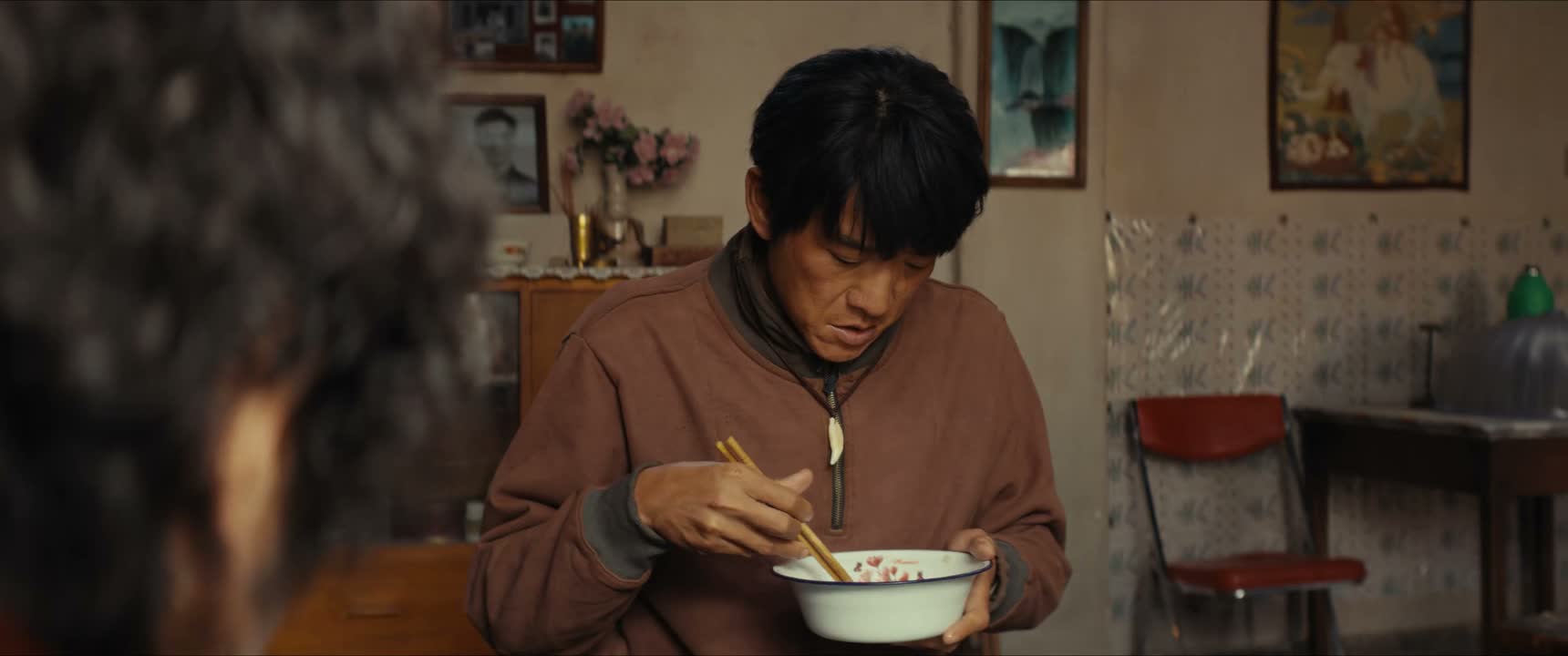
《Lady Liberty》 S1·E17 (13:56) HSK 7
ài jiāng shān gèng ài měi rén lóu wǒ dōu xiǎng yào píng shén me

爱江山更爱美人喽 我都想要 凭什么

“So, you chose love over a career? I want both. On what basis?”

《Lady Liberty》 S1·E17
TIMECODE: 13:56 · 1080P MASTER AUDIO

THE DIALOGUE REEL

1+1+1 SPOKEN CONTINUITY
[-1] PREVIOUS TURN wǒ xiǎng liú zài shàng hǎi

我想留在上海

“I want to stay in Shanghai.”

ài jiāng shān gèng ài měi rén lóu wǒ dōu xiǎng yào píng shén me CURRENT FOCUS

爱江山更爱美人 喽 我都 想要 凭什么

“So, you chose love over a career? I want both. On what basis?”

[+1] FOLLOW-UP TURN nǐ hé zhōu mèi de guān xì

你和周媚的关系

“Your relationship with Zhou Mei.”

Subtitles synced to millisecond timecode Browse Show Clips →
Scene: Social & Dating
Function: DECLARING AMBITION
Tone: AUDACIOUS
Emotion: DEFIANCE
WHAT THEY REALLY MEAN (PRAGMATIC SUBTEXT)
“I refuse to settle or pick one over the other; I deserve both.”
💡 Cultural Insight: Power vs Romance Duality

The phrase 'Jiangshan' (empire/career) versus 'Meiren' (beauty/romance) reflects a long-standing literary motif about whether an ambitious person can balance both.

INTENT TAGS: #defiance #ambition #entitlement #refusal_to_compromise
🧩

LEARNING CHUNKS & PARTICLES

2 CHUNKS · 1 PARTICLES
爱江山更爱美人 SPOKEN CHUNK

loving power/territory but loving romance even more

A popular cultural trope originating from a classic song, used when someone prioritizes romantic desires alongside or over ambition.

凭什么 SPOKEN CHUNK

on what grounds; why should it be

A sharp rhetorical question used to express grievance or defy perceived restrictions.

Modal Particle「喽」 (lou) CHANGE OF STATE

Conveys a lighthearted, casual, or matter-of-fact attitude toward a bold claim.
🏮

VOCABULARY & EXPRESSIONS

3 EXPR · 0 GRAMMAR
CROSS-CINEMA CORPUS BOARD · PARALLEL SCENES

Parallel Spoken Cinema Scenes (语义近邻切片)

EXPLORE BY SEMANTIC SIMILARITY
《Lady Liberty》 S1·E17 (13:56) · Authentic Cinema Dialogue Corpus