咱得让那些没有病的人 也能走进来
“We need to get healthy people to walk in here too.”
THE DIALOGUE REEL
“We can't just rely on people with leg issues coming to you.”
咱得让那些 没有 病的人 也能 走进来
“We need to get healthy people to walk in here too.”
病这个东西抽象很
“Illness is a very abstract concept.”
“There is far more money to be made from healthy people buying preventative care than just waiting for actual sick patients.”
Using '咱' (zan) rather than '我们' (women) establishes an intimate, in-group bond of shared financial destiny between business partners.
LEARNING CHUNKS & PARTICLES
we must / we should
A friendly, inclusive Northern colloquial contraction of 'we must' used to build collaborative momentum.
walk in / come through the door
Literally walking in, but idiomatically used in retail and clinics to mean attracting foot traffic and customers.
VOCABULARY & EXPRESSIONS
Parallel Spoken Cinema Scenes (语义近邻切片)

“If you didn't tell anyone you're sick, who'd have thought you are?”

“Absolutely. Being healthy is the most important.”
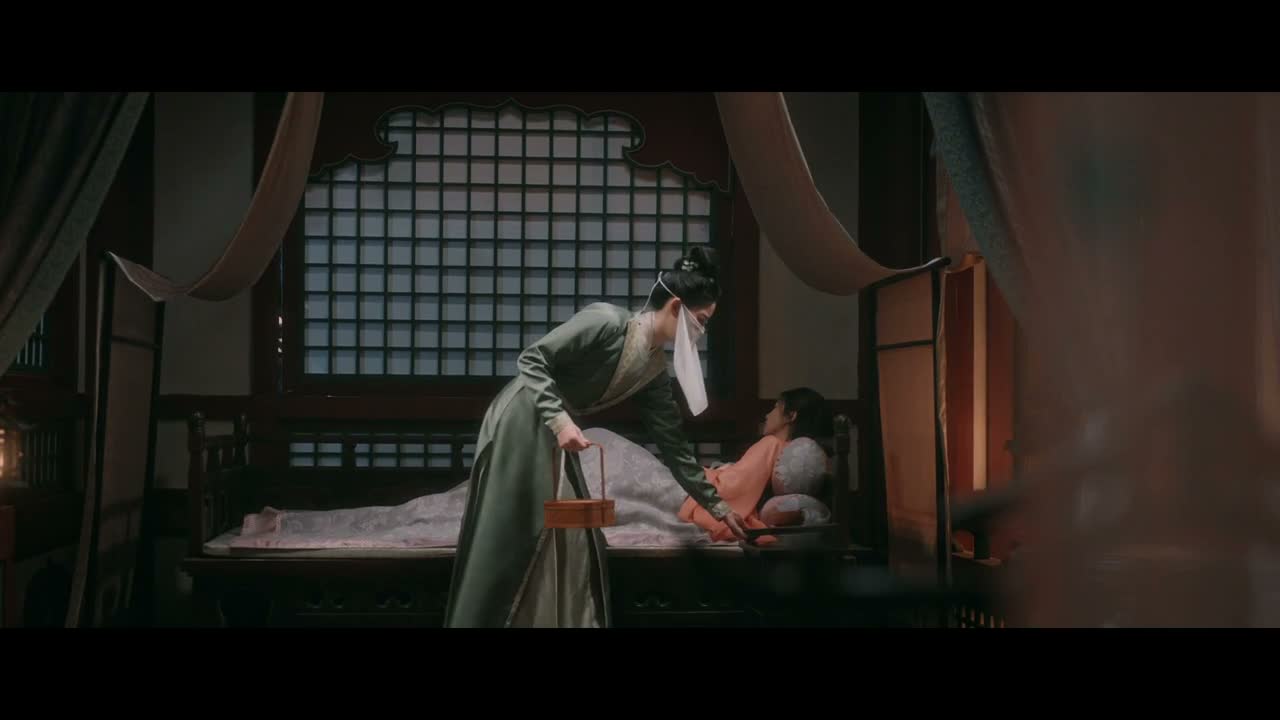
“You wouldn't let me see you.”

“When others are sick, the physicians tell them to stay in bed, yet he encourages you to go out.”