你 你刚才不说是劫匪吗
“Didn't you just say they were robbers?”
THE DIALOGUE REEL
杀手
“Assassins?”
你 你刚才 不说是 劫匪 吗
“Didn't you just say they were robbers?”
如果我没有被迫跳海
“If I hadn't been forced to jump into the sea,”
“You lied to me! Killers are far more dangerous than simple robbers!”
Using negative rhetorical forms like 'Didn't you say...' (你刚才不说是...) directly highlights inconsistencies without needing formal accusations.
LEARNING CHUNKS & PARTICLES
didn't you just say
Used in spoken Mandarin to point out a discrepancy or contradiction in what someone just claimed.
Forms a rhetorical confirmation-seeking question expressing doubt and confusion.
VOCABULARY & EXPRESSIONS
Parallel Spoken Cinema Scenes (语义近邻切片)

“and was killed by bandits.”

“Anyway, based on my observation, there don't seem to be any robbers here.”

“Yeah, what could this have to do with the robber?”
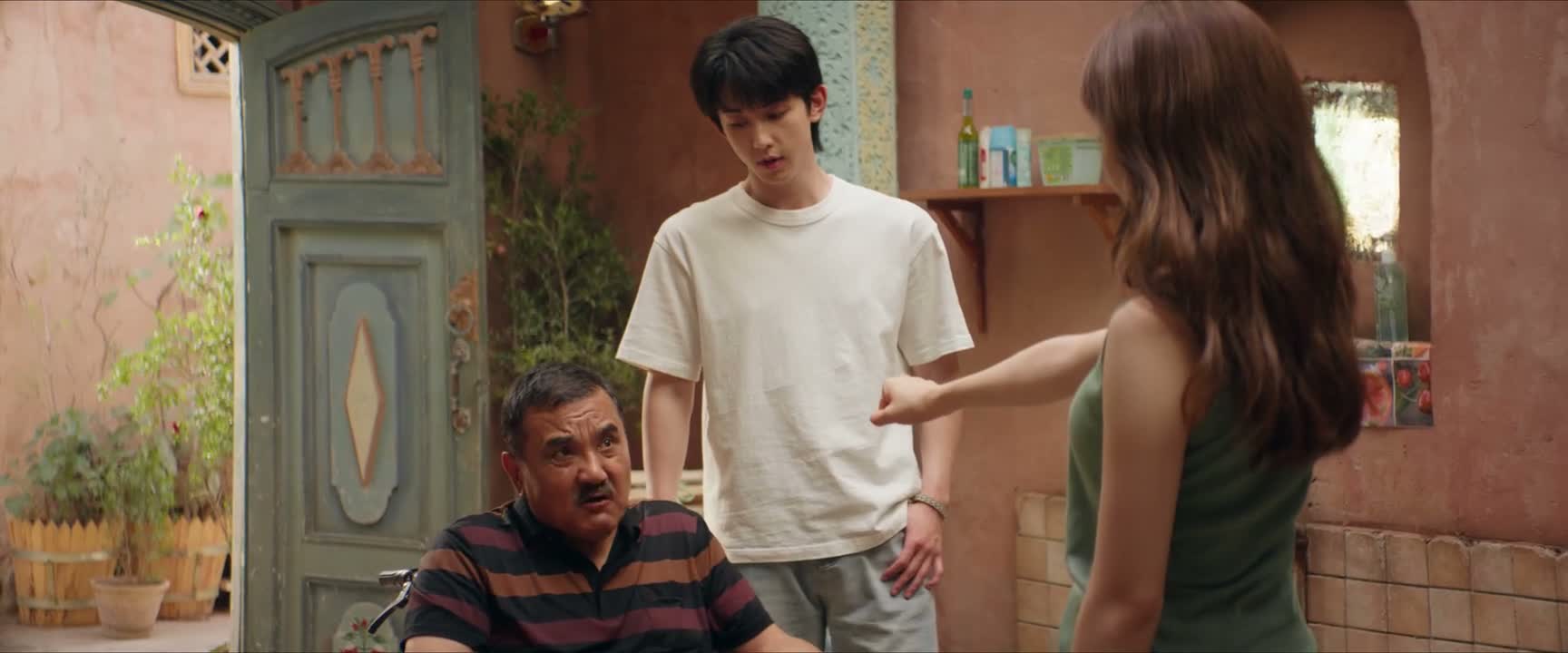
“Are you still trying to take advantage of my misfortune?”

“But if what you said is true, and they are robbers,”

“Tell me, who were the robbers at the scene?”