你一个人住 还是跟人合住啊
“Do you live by yourself or with someone else?”
THE DIALOGUE REEL
“This apartment is quite clean.”
你 一个人住 还是跟人 合住 啊
“Do you live by yourself or with someone else?”
和子秋
“With Ziqiu.”
Direct spoken expression in this communicative setting.
Asking whether someone lives alone or with others is common friendly small talk in China, reflecting care rather than an invasion of privacy.
LEARNING CHUNKS & PARTICLES
to live alone
A very common colloquial expression to describe one's housing status.
to share an apartment with someone; to live with roommates
Useful when discussing living arrangements or renting.
Softens the question, making the inquiry sound friendly and conversational rather than interrogative.
VOCABULARY & EXPRESSIONS
Parallel Spoken Cinema Scenes (语义近邻切片)

“You live alone. How much space do you need?”
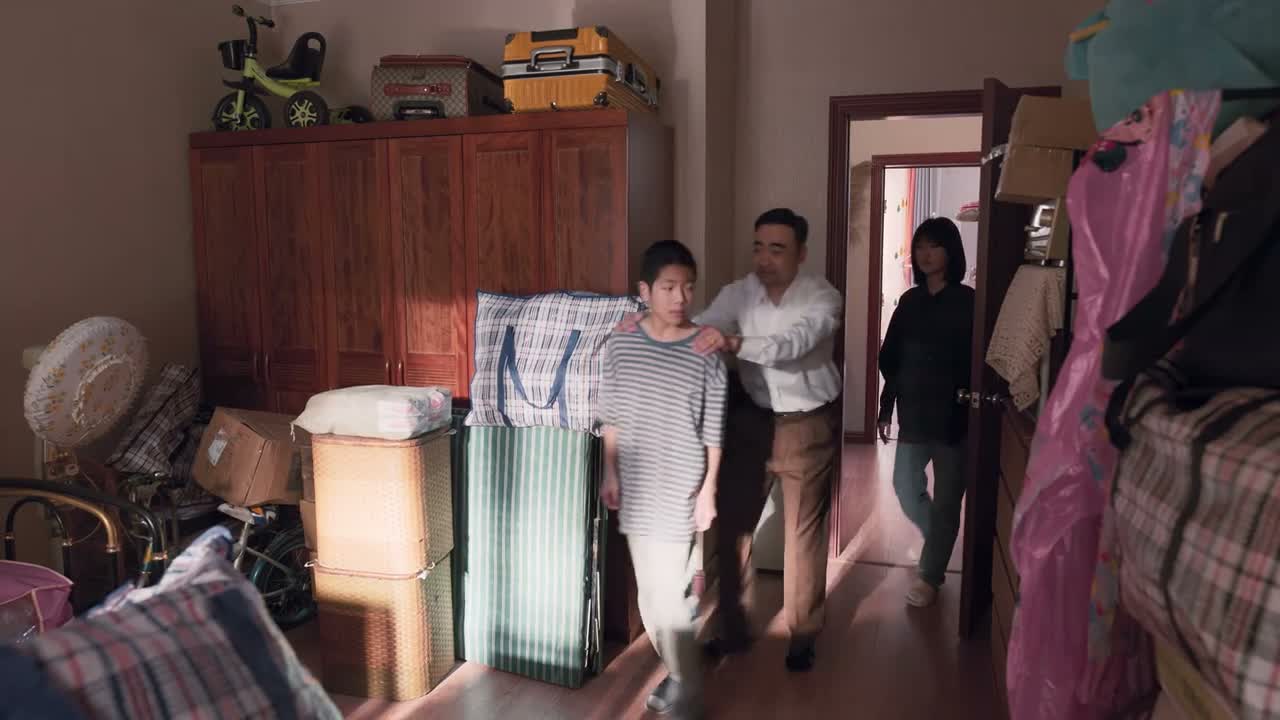
“Well? You'll have it to yourself. Big, huh?”

“I live alone. I don't need that much space.”
“Then my dad would be living alone.”

“you'd have enough money to rent a place like mine. Why insist on living with me?”

“so we should live together.”