那我爸不就一个人住了吗
“Then my dad would be living alone.”
THE DIALOGUE REEL
你咋不和你奶住呢
“Why don't you live with her?”
那 我爸 不就 一个人住 了吗
“Then my dad would be living alone.”
我爸不打我的时候吧 倒也挺好
“When my dad's not hitting me, he's actually pretty good.”
“I can't leave him alone, because who else is going to keep him company?”
Chinese domestic dynamics often involve deep emotional entanglement where children feel a moral responsibility to accompany a flawed parent rather than leave them solitary.
LEARNING CHUNKS & PARTICLES
wouldn't that just mean...?
A rhetorical pattern used to point out an obvious, often undesirable consequence of an action.
to live alone
Common expression describing solitary living, frequently used in family contexts highlighting elderly or vulnerable solitude.
Forms a rhetorical question highlighting the inevitable result of the action.
VOCABULARY & EXPRESSIONS
Parallel Spoken Cinema Scenes (语义近邻切片)
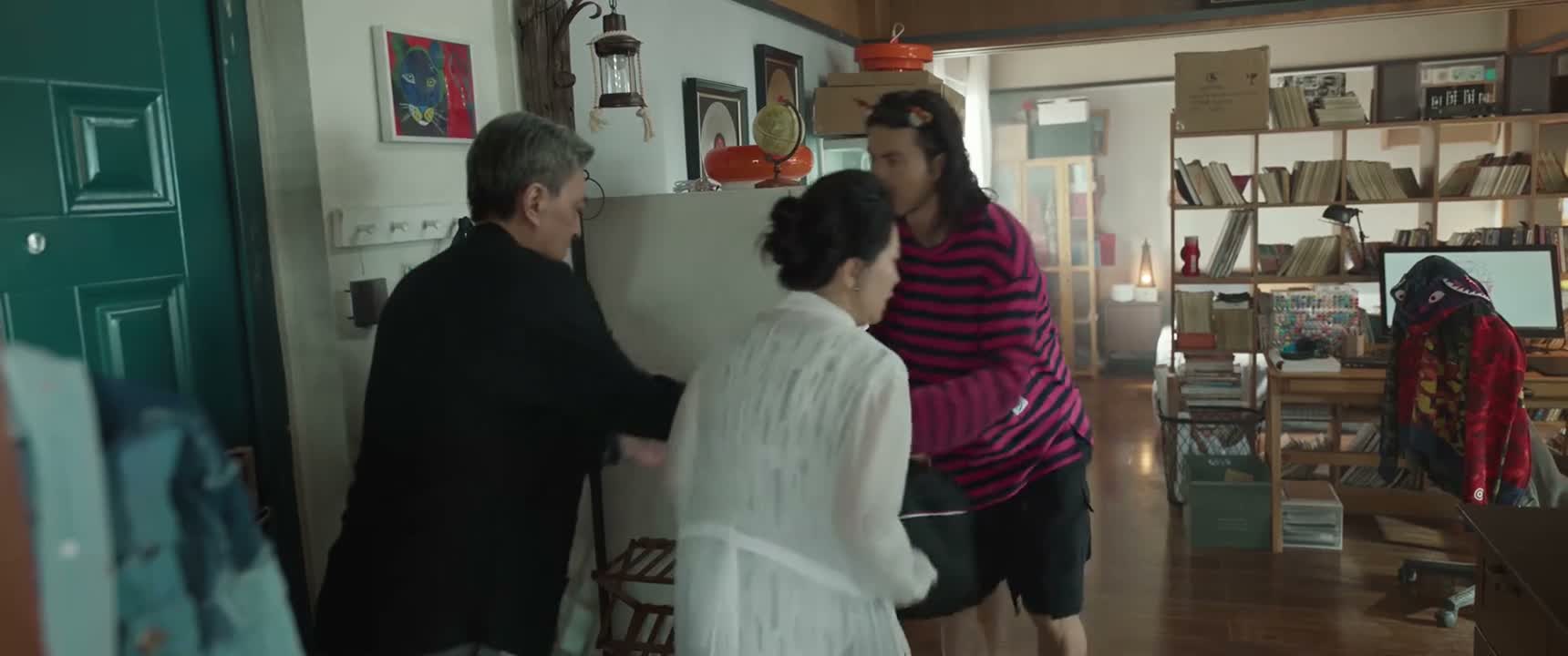
“He can't stand being cooped up at home.”

“Do you live by yourself or with someone else?”

“Why do you shut yourself at home and never go out?”

“I could've stayed with Dad.”

“No.”
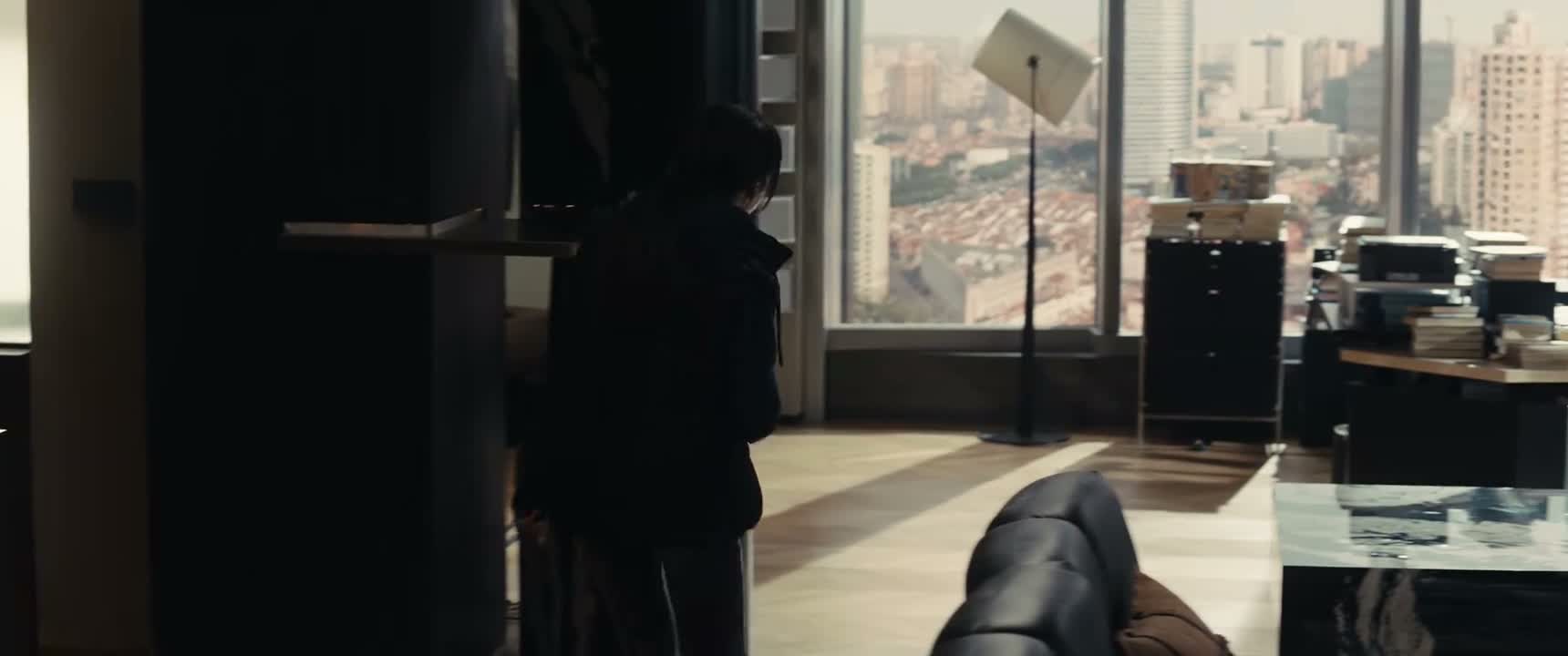
“You really live alone in such a big house, huh?”