那你难过什么 摔下去的不是你啊
“Then why are you so upset? It was not you who fell over.”
THE DIALOGUE REEL
我知道不是我的错
“I know it wasn't my fault.”
那你 难过什么 摔 下去 的 不是 你啊
“Then why are you so upset? It was not you who fell over.”
毕竟是小孩子嘛
“She's still a kid after all.”
“You didn't get hurt and it's not your fault, so stop beating yourself up over it.”
In Chinese informal communication, close friends often use direct and seemingly insensitive logic to snap someone out of unnecessary self-blame.
LEARNING CHUNKS & PARTICLES
What do you have to be sad about? / Why be upset?
A colloquial rhetorical phrase used to invalidate irrational worry, sorrow, or guilt.
to fall down / tumble off
Combines the verb to fall with a directional complement indicating downward movement.
Softens the blunt rhetorical statement and appeals to obvious common sense.
VOCABULARY & EXPRESSIONS
Parallel Spoken Cinema Scenes (语义近邻切片)

“I don't know what sad is.”

“It's okay to be sad.”

“I'm so upset.”

“I'm so sad.”
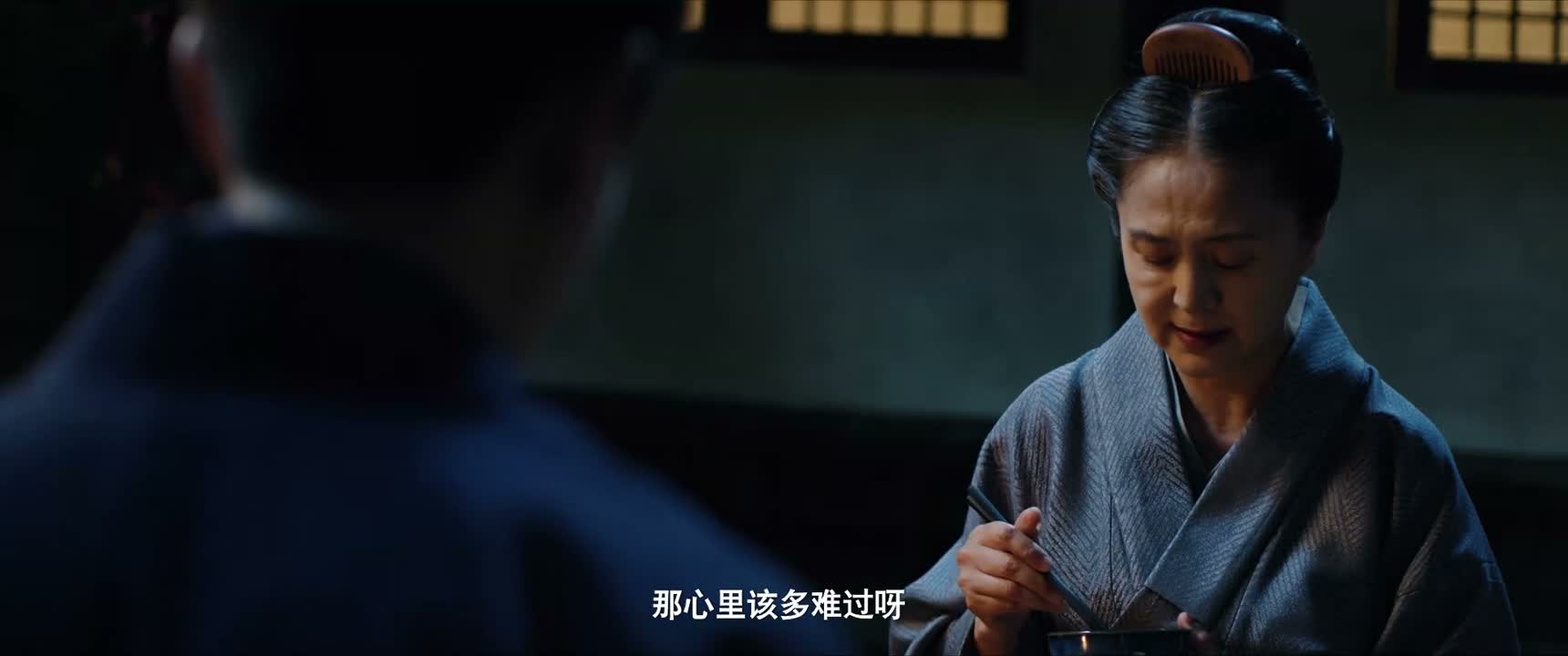
“How heartbreaking that would be.”

“Am I sad?”