《Born to Be Alive》 S1·E13 (01:50)
HSK 4
nà nǐ yào shì zài shuō huà bù suàn huà ne
那你要是 再说话不算话呢
“What if you go back on your word again?”
《Born to Be Alive》
S1·E13
TIMECODE: 01:50
·
1080P MASTER AUDIO
THE DIALOGUE REEL
[-1] PREVIOUS TURN
néng bù néng zài gěi wǒ yí gè yuè de shí jiān xià gè yuè wǒ yí dìng hái shàng
能不能 再给我一个月的时间 下个月 我一定还上
“Can you give me another month? I promise I'll pay you back next month.”
nà nǐ yào shì zài shuō huà bù suàn huà ne
CURRENT FOCUS
那你 要是 再说话 不算 话呢
“What if you go back on your word again?”
[+1] FOLLOW-UP TURN
dào shí hòu
到时候
“Then,”
Subtitles synced to millisecond timecode
Browse Show Clips →
Scene:
Social & Dating
Function:
CHALLENGING
Tone:
CONFRONTATIONAL AND DOUBTFUL
Emotion:
SKEPTICISM
WHAT THEY REALLY MEAN (PRAGMATIC SUBTEXT)
“You have let me down repeatedly, so why should I believe your promise this time?”
💡 Cultural Insight: Xinyong (Interpersonal Credit and Integrity)
Keeping one's word is fundamental in Chinese informal lending, where personal trust often substitutes for legal collateral.
INTENT TAGS:
#distrust
#pressing
#hypothetical_challenge
#reproach
🧩
2 CHUNKS · 1 PARTICLES
LEARNING CHUNKS & PARTICLES
要是……呢
SPOKEN CHUNK
what if...
A common rhetorical construction used to raise a hypothetical risk or objection.
说话不算话
SPOKEN CHUNK
to break one's word / fail to keep a promise
A very common colloquial idiom used to reproach someone for being unreliable or deceitful.
Modal Particle「呢」 (ne)
CHANGE OF STATE
Marks an open, pressing hypothetical question, demanding an answer or contingency plan.
🏮
2 EXPR · 1 GRAMMAR
VOCABULARY & EXPRESSIONS
COLLOQUIAL EXPRESSIONS:
GRAMMAR BLUEPRINTS:
CROSS-CINEMA CORPUS BOARD · PARALLEL SCENES
EXPLORE BY SEMANTIC SIMILARITY
Parallel Spoken Cinema Scenes (语义近邻切片)
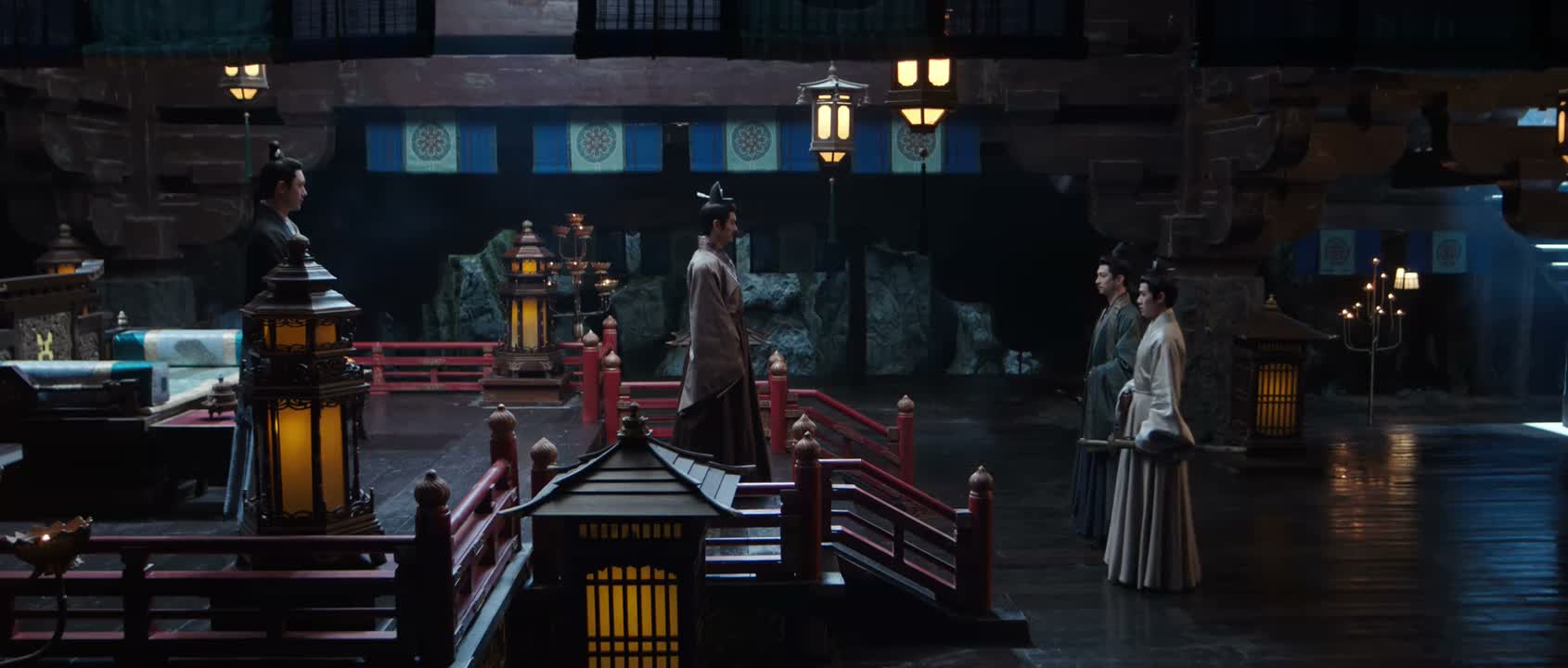
《Born to Be Alive》 S1·E13 (01:50) · Authentic Cinema Dialogue Corpus