你怎么不想 你话不是多吗
“Why don't you do it? Aren't you always talkative?”
THE DIALOGUE REEL
祁亮 那祁亮想吧
“Qi Liang, let Qi Liang do it.”
你怎么不想 你话 不是 多 吗
“Why don't you do it? Aren't you always talkative?”
那我想了啊
“Then I'll come up with one.”
“You're always running your mouth, so stop being lazy and give an idea yourself!”
Calling out friends who are usually loud but suddenly passive when work or thinking is required is a classic Chinese teasing trope.
LEARNING CHUNKS & PARTICLES
aren't you usually so talkative?
A rhetorical question using the '不是...吗' pattern to playfully challenge someone who suddenly goes quiet.
Why don't you...?
Common spoken pattern used to question someone's inaction or reluctance.
Forms a rhetorical question that reinforces the speaker's challenging or teasing stance.
VOCABULARY & EXPRESSIONS
Parallel Spoken Cinema Scenes (语义近邻切片)

“Why don't you think about how you grew up?”

“- As the poem says... - I do, but can't see her.”
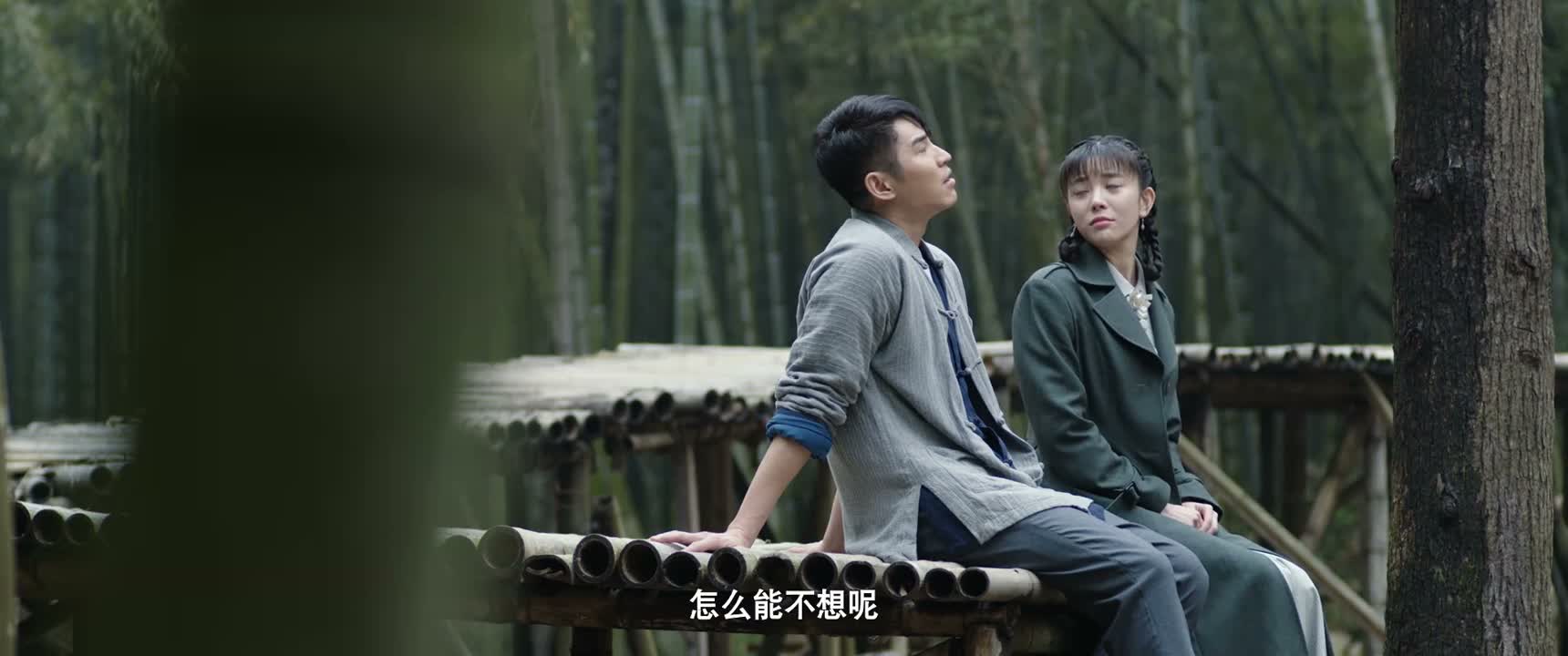
“How can you not think about it?”

“Why don't you think more about yourself?”

“It's fine if you don't want to talk. It's just good to see you.”

“If you don’t want to see me,”