你怎么不想想 你是怎么活这么大的
“Why don't you think about how you grew up?”
THE DIALOGUE REEL
你总想你自己
“You only think of yourself.”
你怎么不 想想 你是 怎么活 这么大的
“Why don't you think about how you grew up?”
你看不起你妈
“You look down on me.”
“You owe your entire existence to me, so stop acting like an ungrateful brat.”
Chinese parents often invoke the physical and emotional burden of raising children (养育之恩) to demand deference and counter perceived filial disrespect.
LEARNING CHUNKS & PARTICLES
why don't you reflect on; how come you never consider
A confrontational rhetorical opening used to urge someone to consider their own faults or overlooked realities.
grow up to this age; survive to adulthood
Commonly used by Chinese parents in domestic disputes to highlight the effort involved in raising children.
Functions in the 'shi...de' cleft construction to emphasize the manner and circumstances of growing up.
VOCABULARY & EXPRESSIONS
Parallel Spoken Cinema Scenes (语义近邻切片)

“Why don't you do it? Aren't you always talkative?”
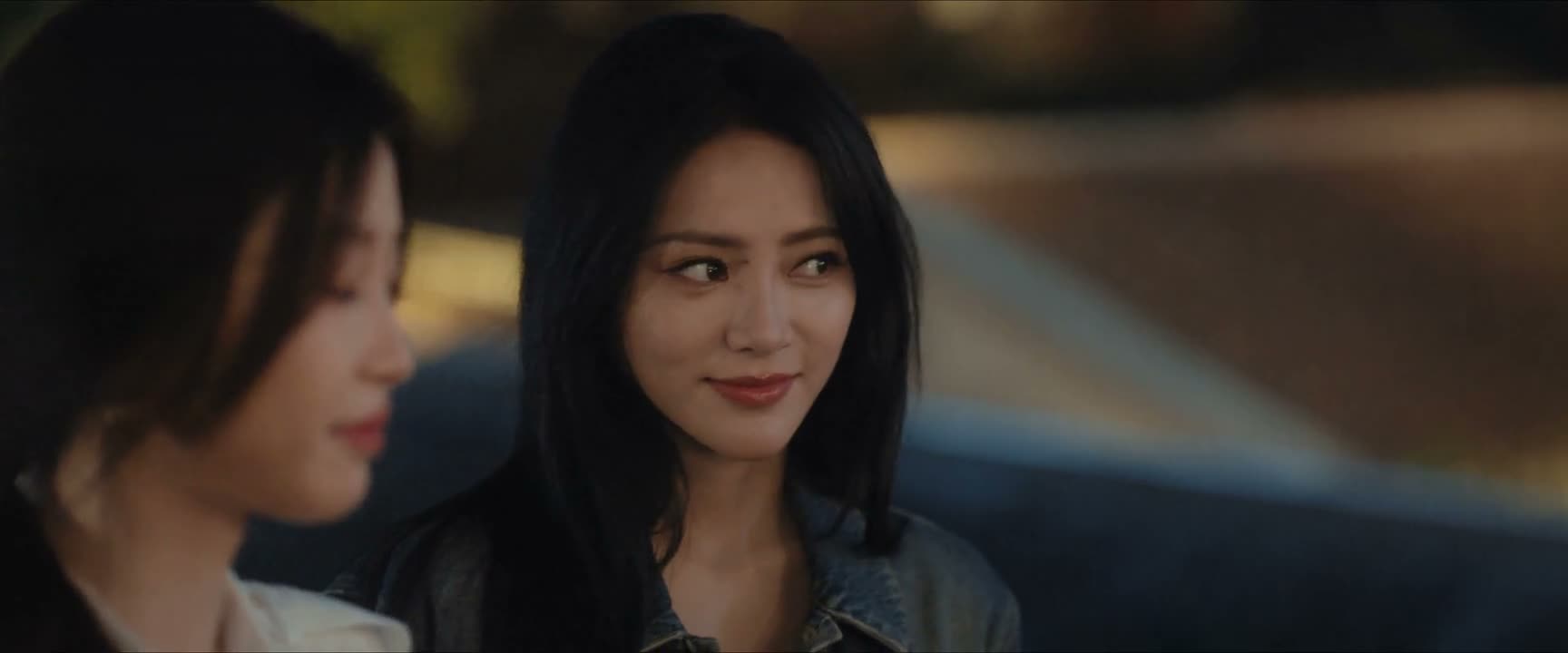
“Why don't you consider the cost? Where do we get so much money? Right.”

“Don't you miss your son? Of course I do.”

“Then why didn't he think of coming to see us first? Whose idea was this?”

“- As the poem says... - I do, but can't see her.”

“I don't want to guess what's in your mind anymore.”