他是个汉奸 你看不出来吗
“He's a traitor, can't you see?”
THE DIALOGUE REEL
“Why are you still calling him Mr. Tian?”
他 是 个汉奸 你看不 出来 吗
“He's a traitor, can't you see?”
他天天跟日本人搅和在一起 四面光 八面滑
“He mixes with the Japanese every day. He's a smooth operator, slick.”
“Stop being so blind and respectful to an enemy collaborator!”
Calling someone a 'hanjian' carries the absolute maximum moral condemnation in modern Chinese historical consciousness, demanding total severance of polite ties.
LEARNING CHUNKS & PARTICLES
traitor; collaborator with foreign invaders
A deeply loaded historical term referring to Chinese who collaborated with foreign aggressors, especially the Japanese during WWII.
cannot tell; unable to see/recognize
A common potential complement used to express inability to discern something through observation.
Forms a rhetorical question that carries a sharp accusatory and incredulous bite.
VOCABULARY & EXPRESSIONS
Parallel Spoken Cinema Scenes (语义近邻切片)
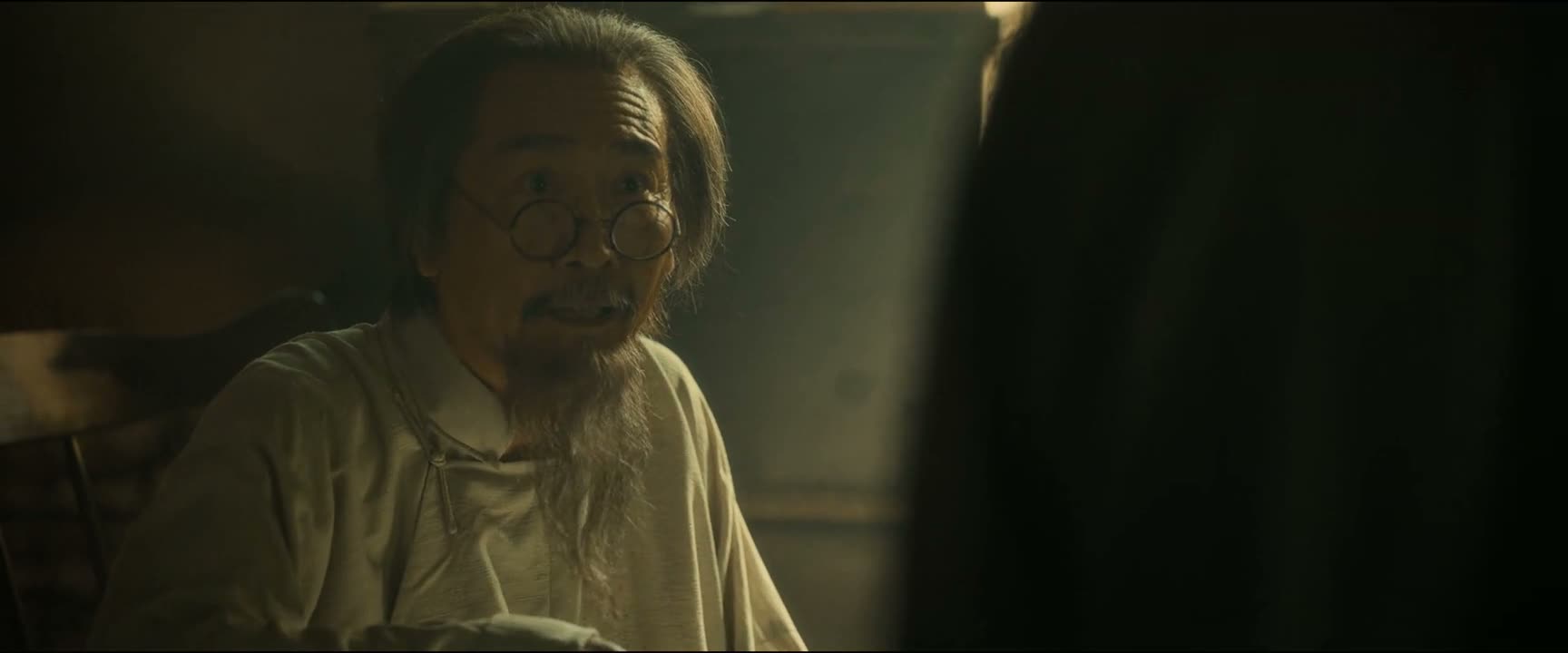
“Such traitors deserve to die.”

“You have no idea what the word "traitor"”
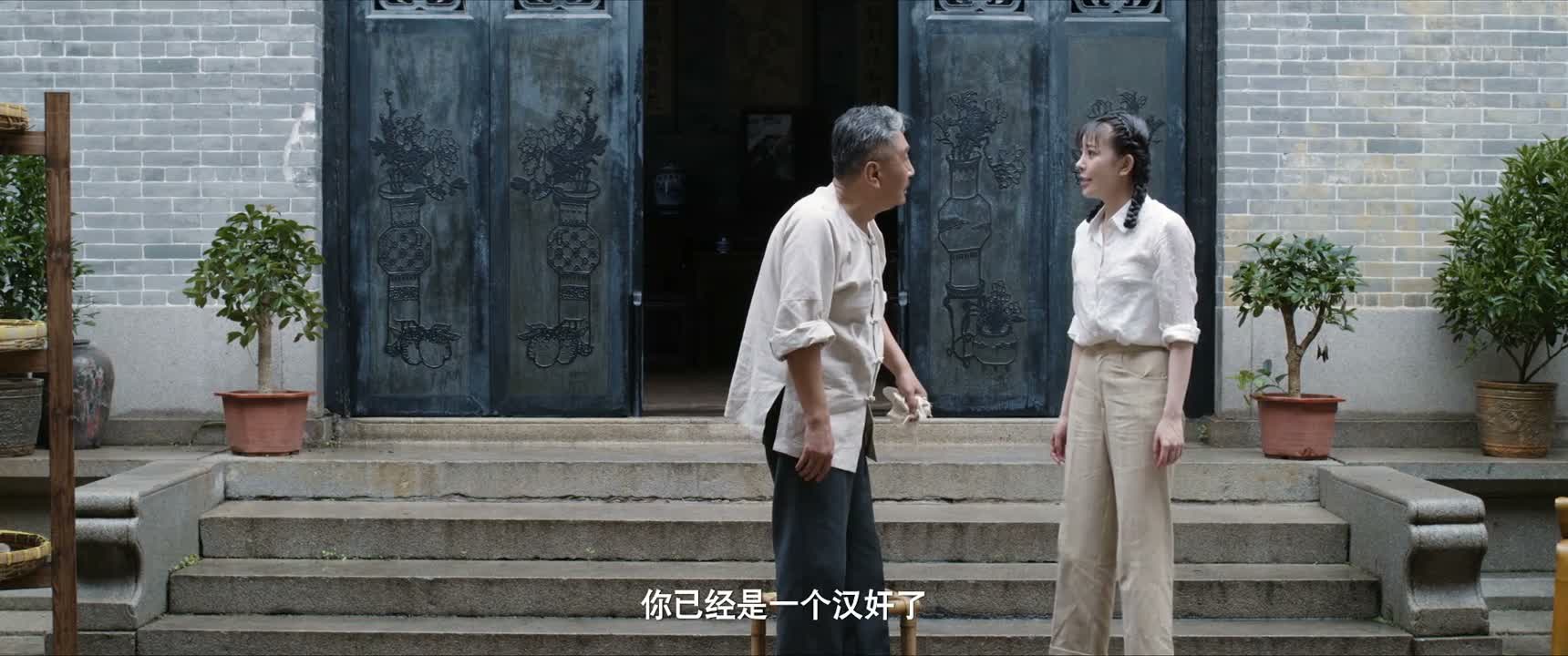
“You're already a traitor.”
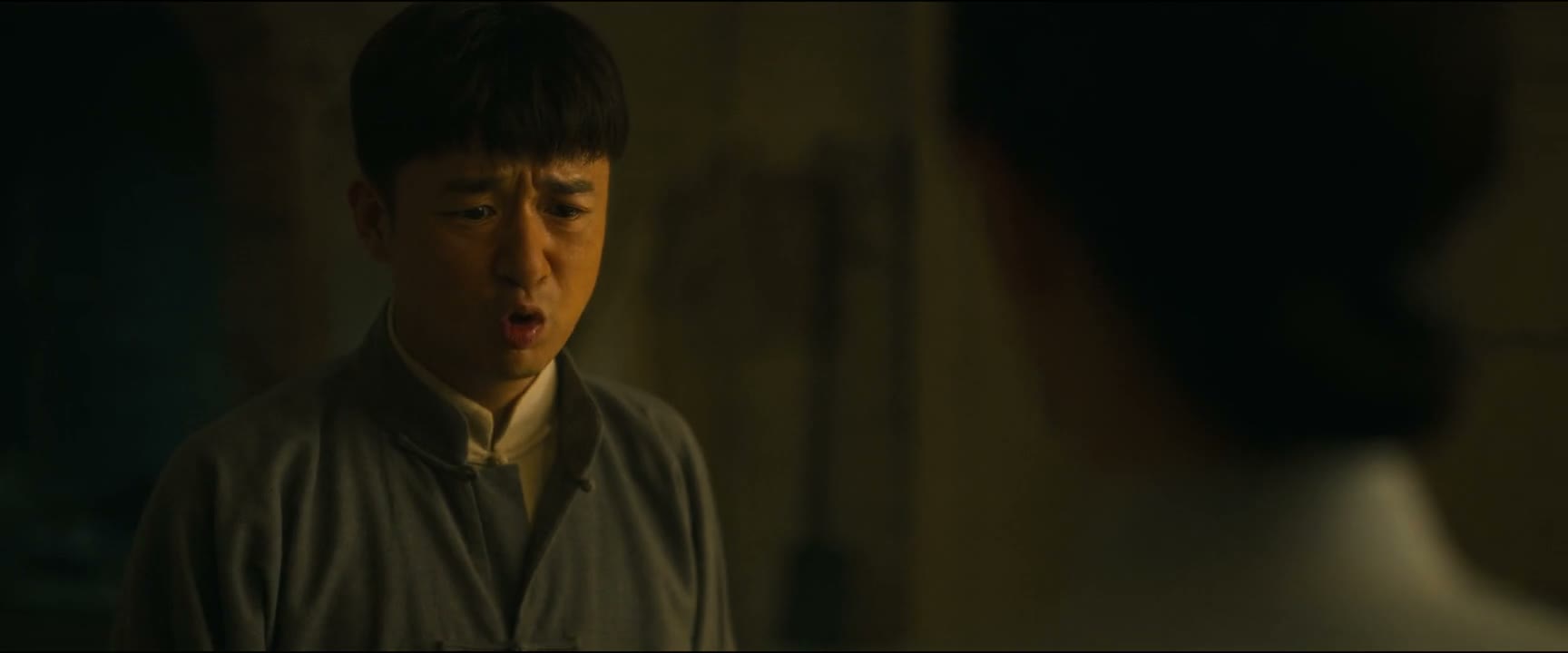
“I don't even want to cook a meal for this traitor.”

“I only know we have traitors.”

“what is a traitor?”