MC
MandarinClips Cinema Corpus
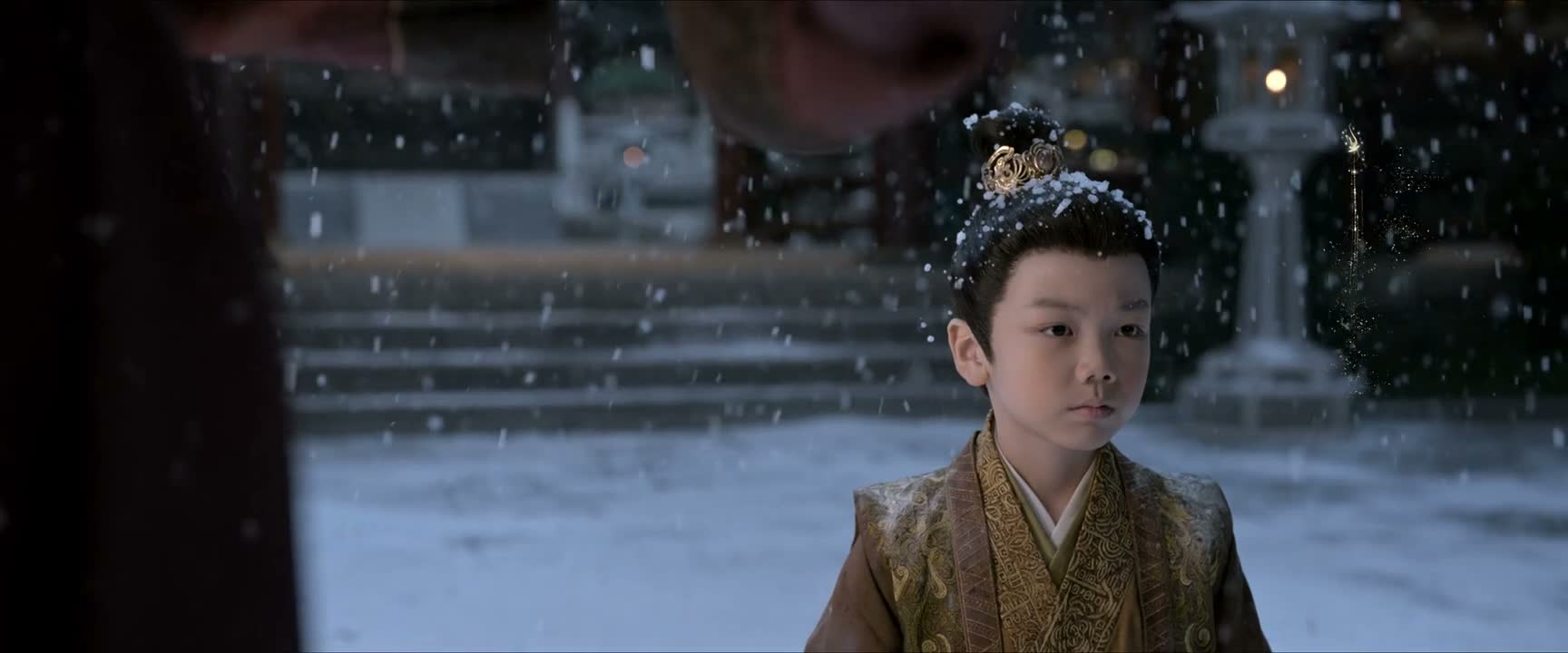
《The First Jasmine》 S1·E25 (07:32) HSK 6
ràng nǐ kàn kàn zòu zhé wèi hé dà dòng gān huǒ ya

让你看看奏折 为何大动肝火呀

“I asked you to read memorials. What made you so cross?”

《The First Jasmine》 S1·E25
TIMECODE: 07:32 · 1080P MASTER AUDIO

THE DIALOGUE REEL

1+1+1 SPOKEN CONTINUITY
[-1] PREVIOUS TURN jiù yào jiāng tā men xià pò dǎn le

就要将他们吓破胆了

“got scared out of their wits by a mere solar eclipse.”

ràng nǐ kàn kàn zòu zhé wèi hé dà dòng gān huǒ ya CURRENT FOCUS

让 你看看 奏折 为何 大动肝火 呀

“I asked you to read memorials. What made you so cross?”

[+1] FOLLOW-UP TURN mǔ hòu nǐ kàn kàn tā men dōu xiě le shén me

母后 你看看他们都写了什么

“Mother, look what they wrote.”

Subtitles synced to millisecond timecode Browse Show Clips →
Scene: Historical & Court
Function: INQUIRING ABOUT BEHAVIOR
Tone: INSTRUCTIVE AND COMPOSED
Emotion: CALMNESS
WHAT THEY REALLY MEAN (PRAGMATIC SUBTEXT)
“You need to learn self-control as a ruler; do not let their petty petitions agitate you so easily.”
💡 Cultural Insight: Emotional Restraint in Imperial Governance

Chinese rulers were expected to practice emotional detachment (喜怒不形于色), as showing visible anger was viewed as a strategic vulnerability in palace politics.

INTENT TAGS: #counseling #probing #calming #reprimanding
🧩

LEARNING CHUNKS & PARTICLES

2 CHUNKS · 1 PARTICLES
大动肝火 SPOKEN CHUNK

to fly into a rage; to flare up with anger

A formal idiom derived from traditional medicine concept that anger is seated in the liver; used to describe extreme fury.

奏折 SPOKEN CHUNK

memorial to the throne

A specific historical term for formal written reports submitted to an emperor.

Modal Particle「呀」 (ya) CHANGE OF STATE

Softens the rhetorical inquiry, lending a motherly and soothing nuance to the reprimand.

🏮

VOCABULARY & EXPRESSIONS

3 EXPR · 0 GRAMMAR
CROSS-CINEMA CORPUS BOARD · PARALLEL SCENES

Parallel Spoken Cinema Scenes (语义近邻切片)

EXPLORE BY SEMANTIC SIMILARITY
《The First Jasmine》 S1·E25 (07:32) · Authentic Cinema Dialogue Corpus