人家本来计划得好好的
“I had a meticulous plan.”
THE DIALOGUE REEL
“But I didn't expect sunshine and rain to occur simultaneously.”
人家 本来 计划得好好的
“I had a meticulous plan.”
原本的计划是什么 我原本计划
“What was your plan? My plan was that we'd reach the peak before dusk.”
“You need to make this up to me because my sweet plans were spoiled!”
Using the third-person pronoun 'renjia' to refer to oneself is a classic way to soften tone, act cute, or play-pout in intimate Chinese romantic dynamics.
LEARNING CHUNKS & PARTICLES
I / me (used coquettishly or affectionately)
Commonly used by females in informal contexts to refer to oneself in a playful, endearing, or sulky third-person tone.
in good shape / perfectly fine / thoroughly
Used as an adverbial or predicative phrase emphasizing that something was completely orderly before being unexpectedly disrupted.
Functions as a marker reinforcing the state or manner of the completed planning.
VOCABULARY & EXPRESSIONS
Parallel Spoken Cinema Scenes (语义近邻切片)

“I thought I could keep on living with you”

“and my mindset completely upside down.”
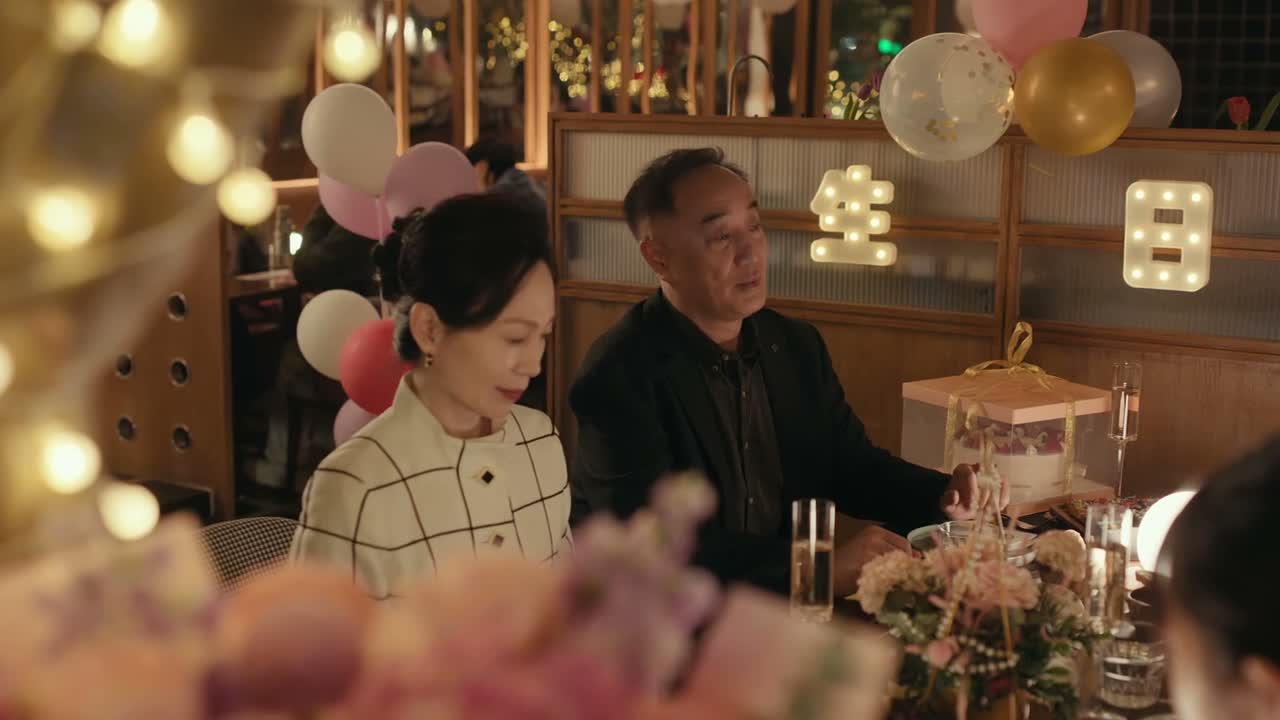
“to celebrate her birthday at home.”
“It was a good situation for us at first.”

“But that was only the original plan.”

“We were doing just fine in Xiacheng.”

“I only meant to create some commotion.”

“I... That was our plan.”

“I planned to tell her everything once things were settled.”
“I promised”